Does Laser Hair Removal Affect Hormonal Hair Growth?
Unwanted hair growth isn’t always about genetics—sometimes, it’s tied directly to hormones. Conditions like PCOS (polycystic ovary syndrome), thyroid imbalances, or even normal hormonal changes during puberty and menopause can cause excess or stubborn hair. If you’ve been considering laser hair removal, you might be wondering: Will it actually work for hormonal hair growth—or is it a waste of time? Let’s break it down.
Is Laser Hair Removal Safe for Teens? What Parents Should Know
What Do We Mean by “Hormonal Hair Growth”?
Hormonal hair growth, often called hirsutism, happens when the body produces higher levels of certain hormones—especially androgens like testosterone. This can make hair appear:
- Thicker
- Darker
- In areas where women usually have little growth, like the face, chest, or stomach
PCOS is one of the most common causes, but hormonal hair growth can also be triggered by pregnancy, menopause, thyroid conditions, or certain medications. Unlike regular hair growth, it tends to be more stubborn and emotionally challenging.
Can Laser Hair Removal Treat Hormonal Hair Growth?
The short answer: yes—but with caveats.
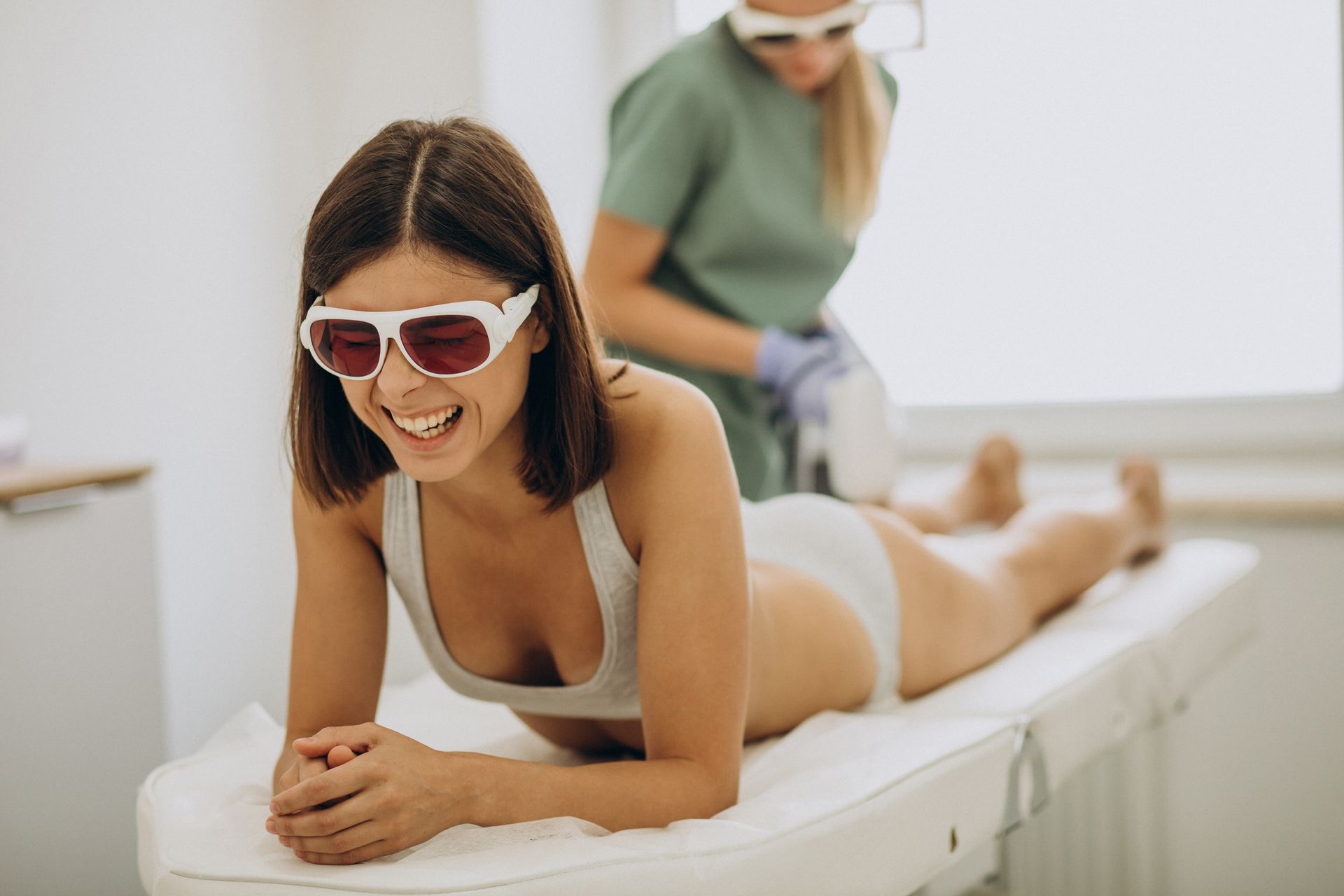
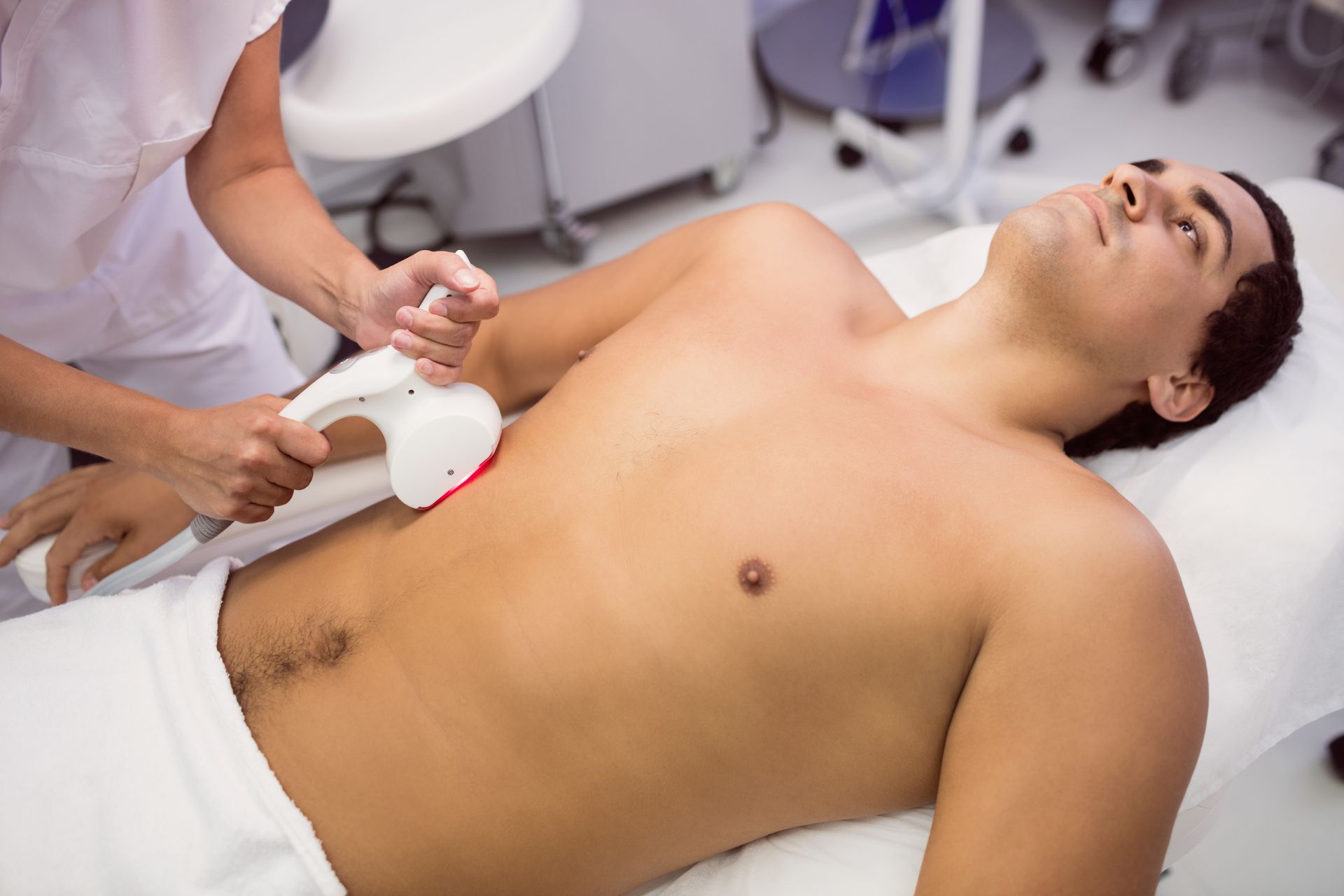
Laser hair removal works by targeting the pigment in hair follicles and disabling them over time. Hormonal hair is still pigmented hair, so the laser can reduce it significantly. However, because hormones continue stimulating new follicles, results may not be as long-lasting as they are for non-hormonal hair growth.
Many clients with PCOS or hormonal imbalances do see great results—but usually with more sessions and occasional maintenance treatments.
Does Laser Hair Removal Cure Hormonal Imbalances?
No. This is a crucial distinction. Laser addresses the symptom (unwanted hair), not the cause (hormone imbalance). If hormones remain elevated, new hair growth may continue, though usually lighter and less dense than before.
That’s why dermatologists and laser clinics often recommend pairing treatments with medical management, such as:
- Hormone therapy prescribed by a doctor
- Lifestyle changes (diet, stress management, exercise)
- Medication for PCOS or thyroid issues
This combination approach provides the best long-term results.
What Happens If You Only Do Laser Without Addressing Hormones?
You’ll still see improvement—thinner, lighter, and slower regrowth. But without addressing the hormonal trigger, hair may eventually return in the same areas. Think of a laser as a long-term management tool, not a complete cure in these cases.
Some people prefer this route anyway because it drastically cuts down on daily shaving or painful waxing, even if maintenance is required.
Is Hormonal Hair Harder to Remove with Laser?
Yes, but not impossible. A few factors matter:
Hair Thickness: Hormonal hair is often coarser, which actually makes it more responsive to the laser.
Hair Location: Facial hair caused by PCOS is typically finer and lighter, making it harder to target.
Consistency: Missing appointments or stopping early reduces results, especially with active hormonal triggers.
Patience and persistence are key.
Who Is a Good Candidate for Laser with Hormonal Hair Growth?
You may be a good candidate if you:
- Have dark, coarse hair (laser works best on contrast between dark hair and lighter skin)
- Are willing to commit to multiple sessions and follow-ups
- Understand that maintenance may be needed
- Are under medical care if you have PCOS or another hormone-related condition
Those with very fine, light, or gray hormonal hair may not benefit as much, since lasers struggle to detect pigment.
Alternatives & Complementary Treatments for Hormonal Hair
For areas where laser is less effective, or for added support, consider:
Electrolysis – Permanently destroys follicles one by one, good for small, stubborn patches.
Prescription creams – Such as eflornithine, which slows hair growth.
Waxing or threading – Temporary but effective for finer facial hair.
Medical treatment – Addressing the hormonal imbalance itself (a must for lasting improvement).
How Many Sessions Are Needed for Hormonal Hair?
Typically, clients need 6–10 sessions spaced a few weeks apart. With hormonal hair, maintenance sessions (once or twice a year) are often recommended. Many find that even with touch-ups, the convenience and confidence gained are worth it.
Why Winter Is the Best Time to Start Laser Hair Removal
What to Expect at a Professional Clinic
At a professional spa like Huggie Beauty in Hollywood, FL, the approach to hormonal hair removal is personalized. Specialists assess:
- Your medical history
- Hair type and skin tone
- The areas of concern
Then, they design a safe, tailored treatment plan. FDA-cleared lasers and trained professionals ensure minimal risk while maximizing results—even for clients with PCOS or other hormone-driven conditions.
Conclusion
Laser hair removal doesn’t “fix” hormonal imbalances—but it can significantly reduce the hair they cause. For teens and adults dealing with PCOS, thyroid issues, or other hormone-related growth, laser offers smoother skin, less daily maintenance, and a real confidence boost. With realistic expectations, medical support, and professional treatment, it’s one of the best long-term solutions available for managing hormonal hair growth.
BOOK YOUR FREE SESSION