How to Sleep Comfortably After Laser Hair Removal
Laser hair removal can leave your skin feeling smooth—but also a bit tender, warm, or sensitive, especially within the first 24 hours. Many people expect the treatment to be painless, but post-laser care is where the real comfort game begins. The way you sleep after your session can significantly impact how quickly your skin heals and the overall quality of your results.
Here’s your complete guide to getting the best night’s sleep after laser hair removal—without the irritation, redness, or restless tossing and turning.
Can You Workout After Laser Hair Removal? (Gym & Sweat FAQs)
Why Sleep Matters After Laser Hair Removal
After your session, your skin needs time to cool, recover, and regenerate. When you sleep, your body enters repair mode—it produces collagen, reduces inflammation, and restores cellular health. But if you’re sleeping in a way that traps heat, rubs against the treated area, or exposes your skin to bacteria, it can slow healing and even cause irritation or breakouts.
Think of this as your “laser recovery beauty sleep”—your body does the work, but you need to set the right stage.
1. Avoid Tight or Irritating Pajamas
The first rule? Let your skin breathe.
Skip the snug leggings, elastic waistbands, or anything that could rub against the treated area. Choose
loose-fitting cotton clothing or breathable sleepwear that won’t trap heat or cause friction.
If you’ve had laser hair removal on your legs or bikini line, a soft cotton nightdress or loose shorts are ideal. For the underarms or arms, a sleeveless cotton top helps minimize contact.
Pro tip: Natural fabrics like cotton and bamboo are your best friends—they’re gentle, hypoallergenic, and don’t cling to the skin.
2. Keep the Room Cool
Your treated skin might feel warm for several hours post-session, so a cool environment helps soothe that lingering heat.
Set your
AC or fan to a comfortable temperature, and avoid heavy blankets that can make you sweat.
If your skin feels especially hot or tingly, applying a cold compress for a few minutes before bed can help calm it down. Just don’t use ice directly on your skin—wrap it in a clean towel first.
3. Don’t Apply Thick Lotions or Oils Before Bed
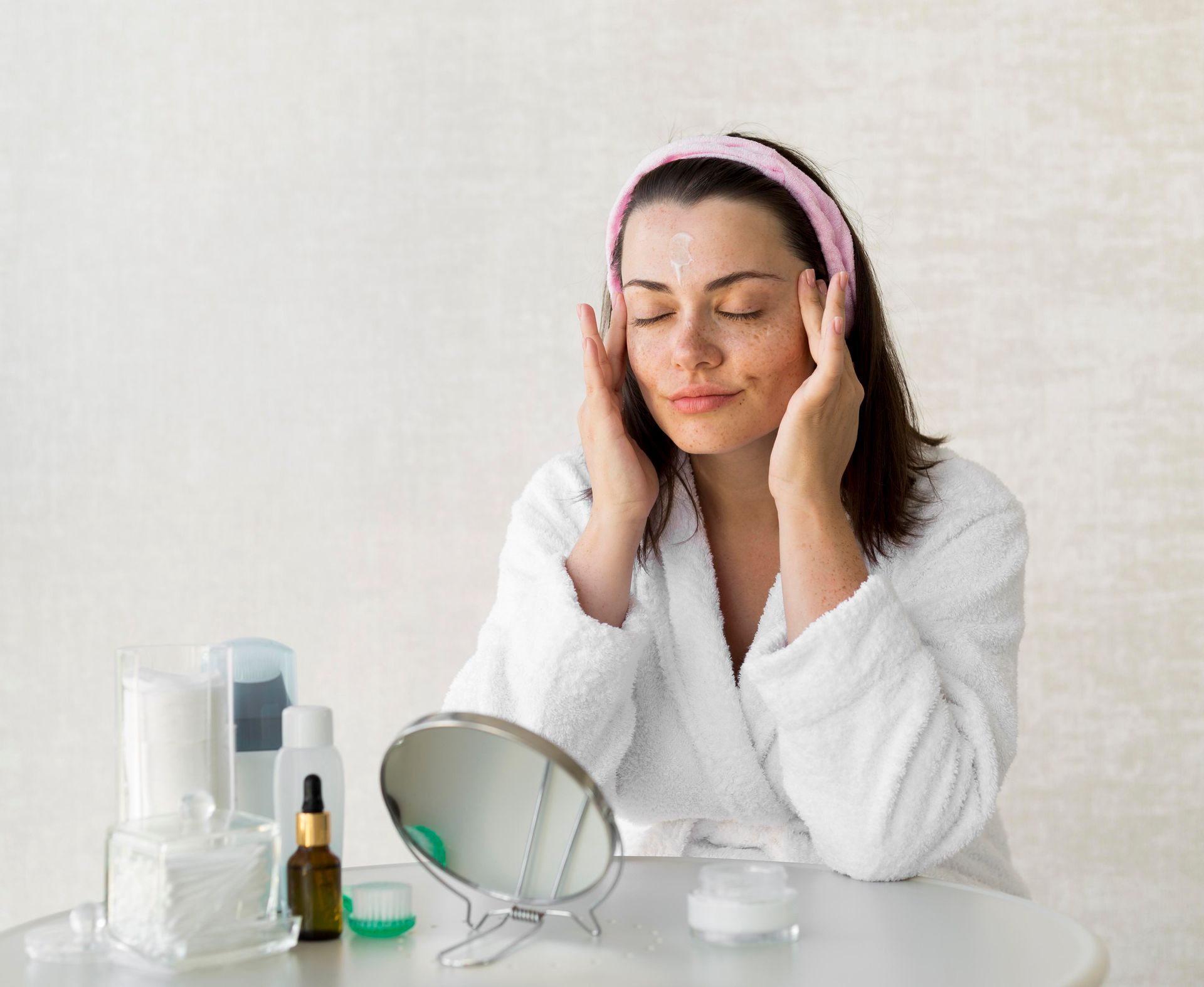
After laser hair removal, your skin’s pores are more open and sensitive. Applying heavy creams, oils, or occlusive products can clog pores and increase irritation or breakouts.
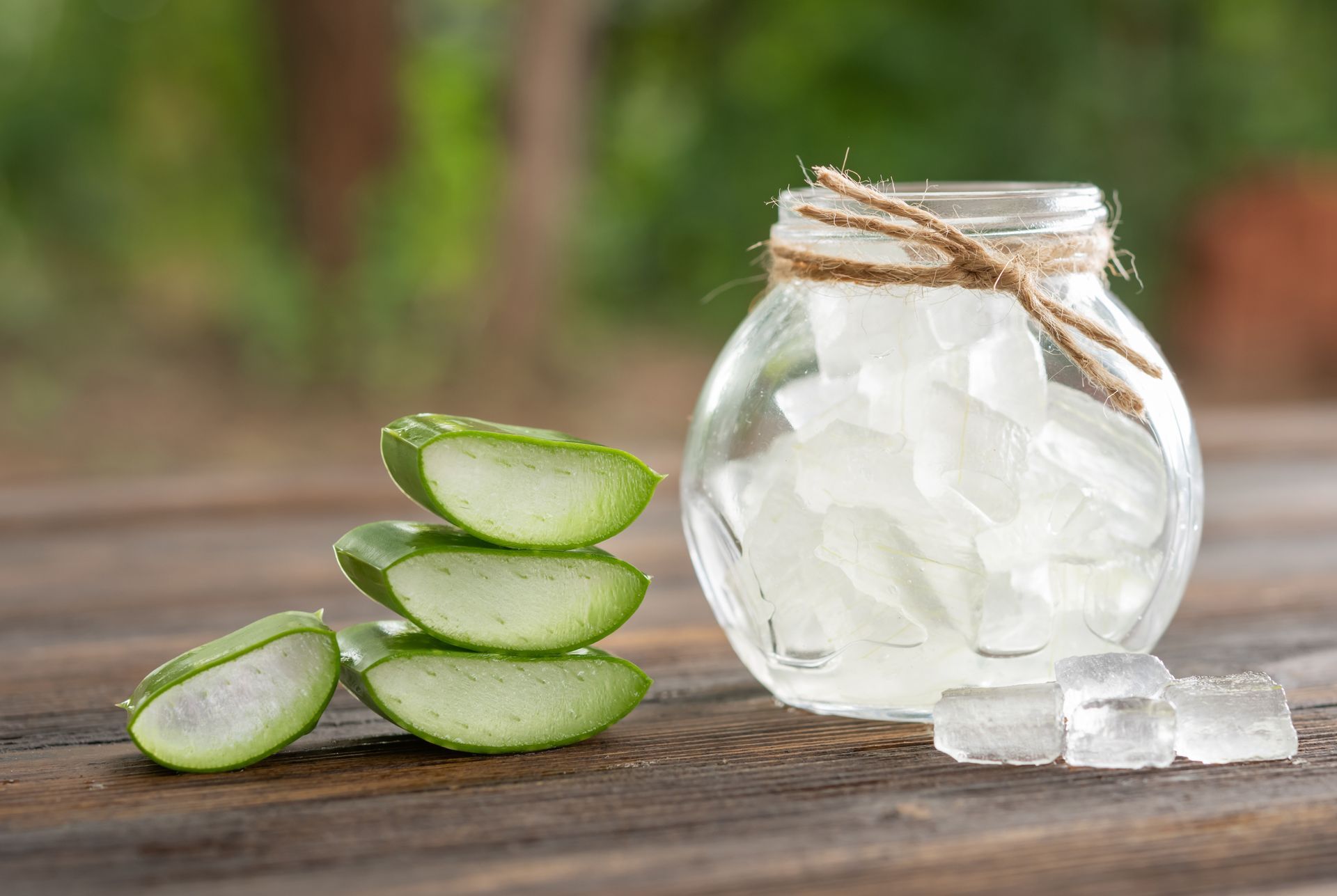
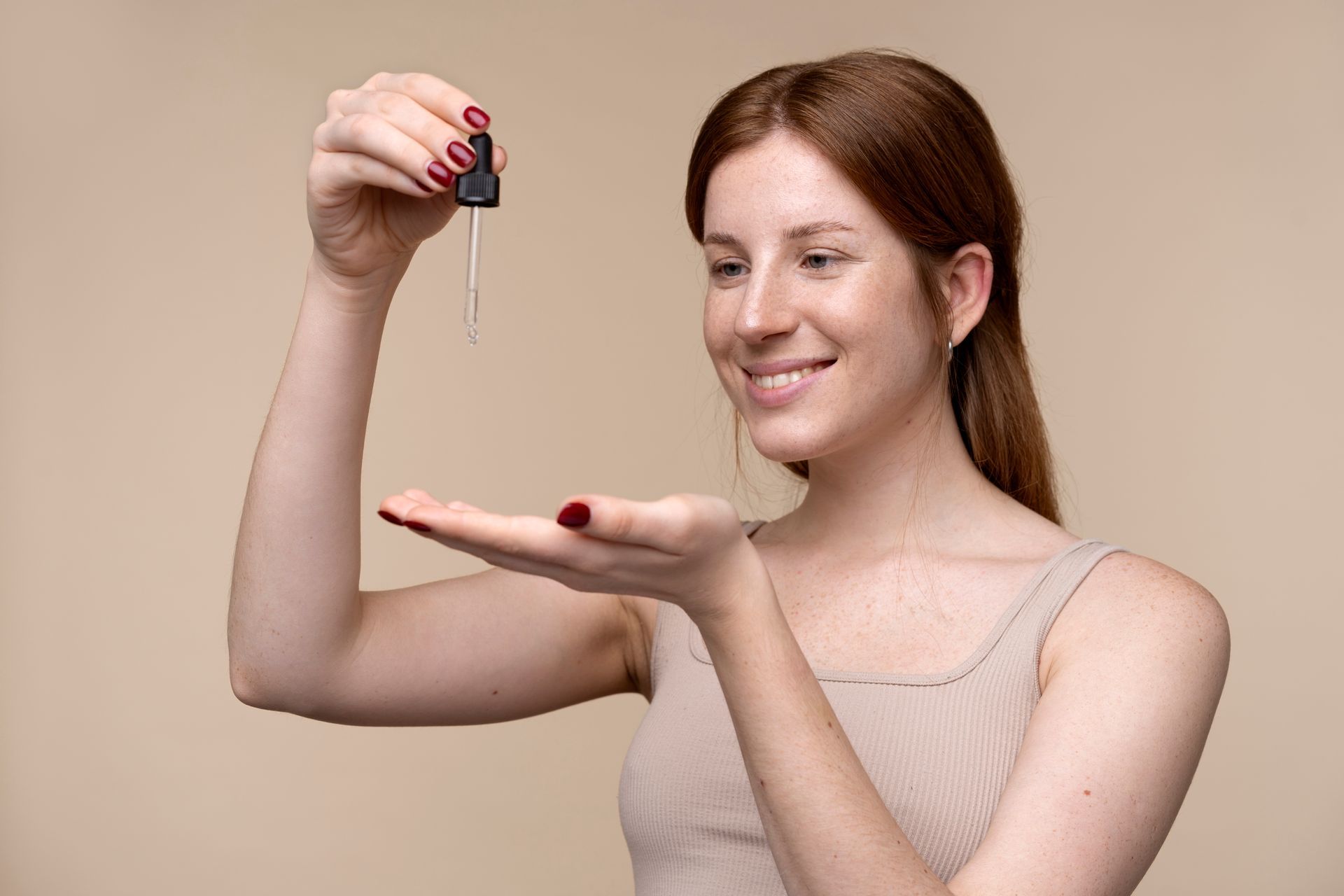
Instead, use a gentle, fragrance-free moisturizer recommended by your laser technician—something like aloe vera gel or a light hydrating lotion. These soothe inflammation without suffocating the skin.
Avoid:
- Perfumed body lotions
- Thick body butters
- Retinol or exfoliating acids (they’re a big no-no for a few days)
4. Sleep on Clean, Soft Bedding
You might not realize it, but your pillowcases and sheets can harbor sweat, oil, and bacteria. After laser hair removal, your freshly treated skin is vulnerable—so clean bedding is essential.
Wash your sheets and pillowcases before your appointment or right after your session, and avoid rough fabrics. Soft cotton or bamboo bedding reduces friction and keeps your skin cool throughout the night.
Bonus tip: If you had laser done on your face, switch to a clean pillowcase every night for the first few days.
5. Mind Your Sleeping Position
Your sleeping position can directly affect comfort and healing.
- For facial laser: Try sleeping on your back to avoid rubbing your face against the pillow.
- For legs or bikini area: Sleep with your legs slightly apart to reduce friction.
- For underarms: Keep your arms slightly away from your sides.
If you’re a restless sleeper, using an extra pillow to support your arms or legs can help keep you from rolling onto the treated area.
6. Avoid Heat and Sweat Before Bed
Laser-treated skin doesn’t like heat. Skip hot showers, saunas, and workouts for at least 24–48 hours before sleeping. Excessive heat opens pores and can cause irritation or tiny bumps.
Instead, take a lukewarm or cool shower before bed—it helps remove bacteria, calm redness, and set your body up for a comfortable night’s rest.
7. Soothe the Skin Naturally
If your skin feels warm or tender before bed, you can use natural remedies to ease the discomfort:
- Aloe vera gel: Cools and hydrates instantly.
- Cold chamomile tea compress: Reduces redness and inflammation.
- Thermal spring water spray: Refreshes and calms the skin.
Avoid anything with alcohol or fragrance, as these can sting and dry out the treated area.
8. Be Gentle with Your Skin for the Next Few Nights
Even if your skin feels fine the next day, remember that healing continues beneath the surface. Avoid scratching, scrubbing, or using exfoliants for at least 3–4 days.
Also, don’t shave the area immediately after treatment—wait until your technician gives you the green light (usually after 48–72 hours). Shaving too soon can cause micro-irritations and delay healing.
9. If You Notice Discomfort, Don’t Panic
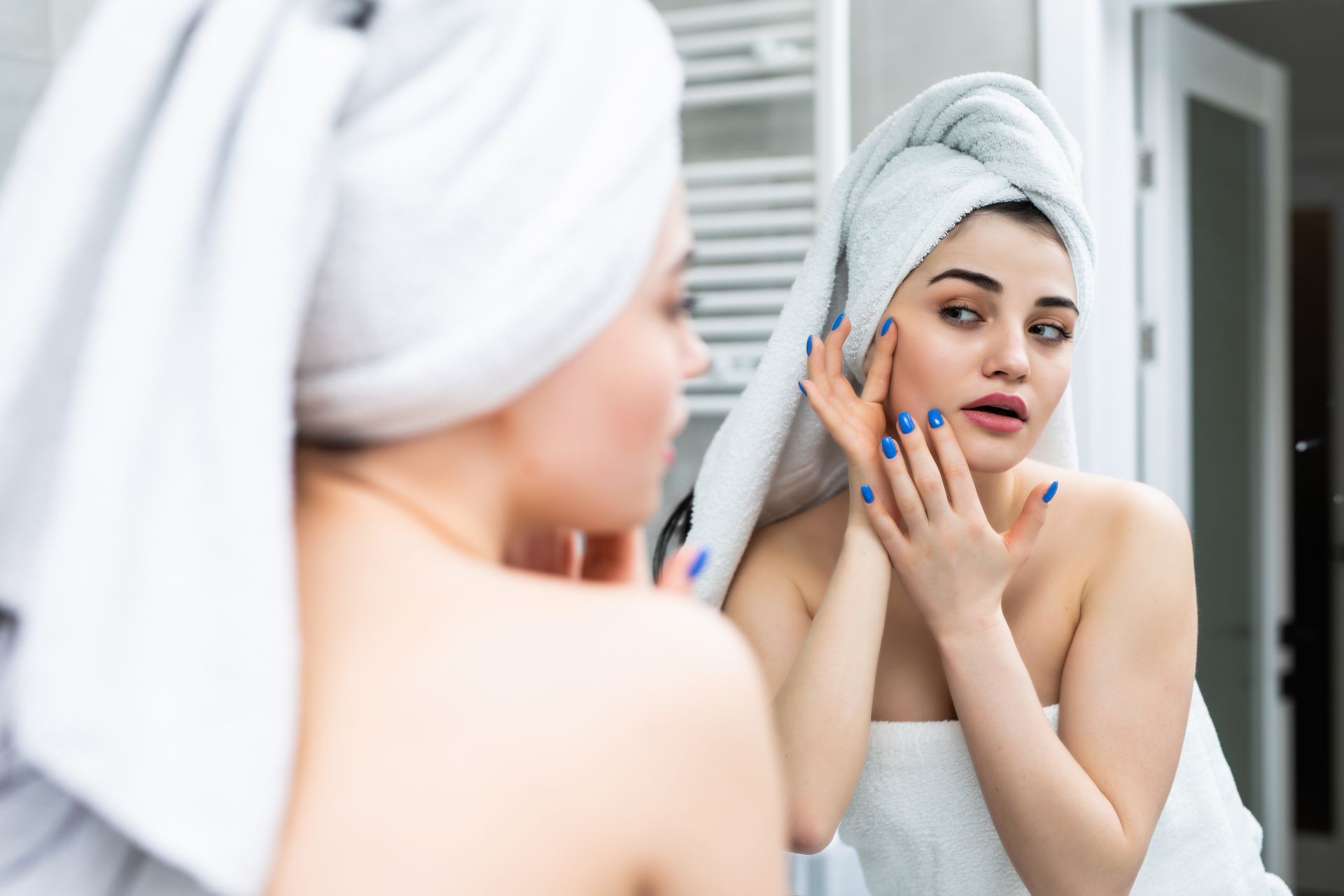
Mild redness, warmth, and sensitivity are completely normal after laser hair removal. However, if you experience swelling, blistering, or prolonged burning, reach out to your clinic for advice.
Sleeping won’t worsen these effects if you’re following proper care—but ignoring aftercare instructions might.
Final Thoughts: Rest Easy, Heal Better
Sleeping after laser hair removal doesn’t have to be tricky. The key is to stay cool, clean, and gentle. By choosing breathable fabrics, maintaining a clean sleep environment, and giving your skin time to recover, you’ll not only wake up more comfortable—but also help your results shine.
Laser hair removal is a process, and good rest is part of that process. Treat your skin kindly, and it’ll reward you with smoother, calmer, and more beautiful results over time.
BOOK YOUR FREE SESSION