Sensitive Skin? Here’s How to Choose the Right Facial
Sensitive skin is tricky. One wrong ingredient, one rough exfoliant, or one overly enthusiastic extraction — and suddenly you’re left with redness, burning, or a breakout you didn’t ask for. So when it comes to facials, the question becomes: Which treatments are actually safe for sensitive skin? And how do you avoid irritation while still getting the glow, hydration, and deep cleansing you came for?
This guide walks you through everything: how sensitive skin behaves, what to look for in a facial, what to avoid, and how to communicate with your esthetician so your treatment stays gentle, soothing, and effective.
Can Facials Help With Anti-Aging and Wrinkles? Here's the Truth
Understanding What “Sensitive Skin” Actually Means
Sensitive skin isn’t a skin type — it’s a skin condition. You can be oily, dry, or combination and still have sensitivity. What makes skin “sensitive” is its overreactive barrier, which becomes easily triggered by heat, friction, fragrance, exfoliants, or strong actives.
Common symptoms include
• Redness or flushing
• Burning or stinging sensations
• Tightness after cleansing
• Breakouts after using new products
• Visible irritation after heat exposure
Because the skin barrier is delicate, facials must be chosen with care. The goal isn’t just cleansing — it’s soothing, hydrating, and strengthening.
Signs You Need a Gentle, Customized Facial
If your skin frequently reacts, here are signs you need a sensitive-skin-safe facial rather than a regular one:
• You turn red immediately after steaming or exfoliation
• Your skin burns when using even mild skincare products
• You get bumps easily after contact or friction
• Weather changes trigger irritation
• Many “normal” facials leave you red for hours
A good esthetician will assess these symptoms during consultation and build a treatment that avoids triggers.
What Type of Facial Is Best for Sensitive Skin?
1. Hydrating or Calming Facials
These are ideal because they focus on hydration, barrier repair, and soothing ingredients instead of exfoliation. They typically use:
- Hyaluronic acid
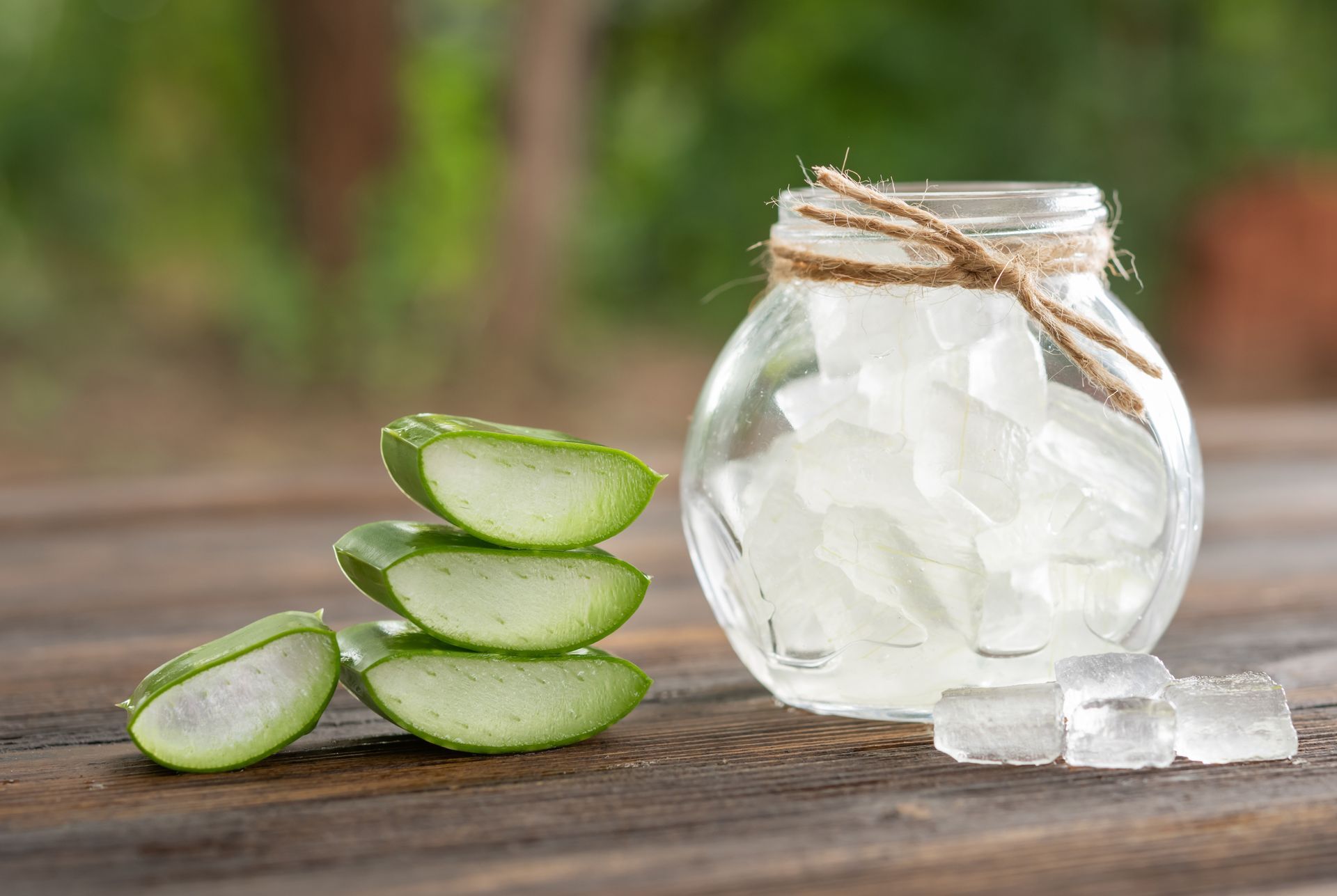
- Aloe vera
- Green tea
- Chamomile
- Centella asiatica (Cica)
- Ceramides
- Oat extract
These facials replenish moisture and reduce inflammation without stressing the skin.
2. Oxygen Facials
Oxygen facials deliver oxygen and hydrating serums without friction or harsh acids. They’re gentle, cooling, and ideal for skin prone to redness or flushing.
3. LED Light Therapy (Red Light Only)
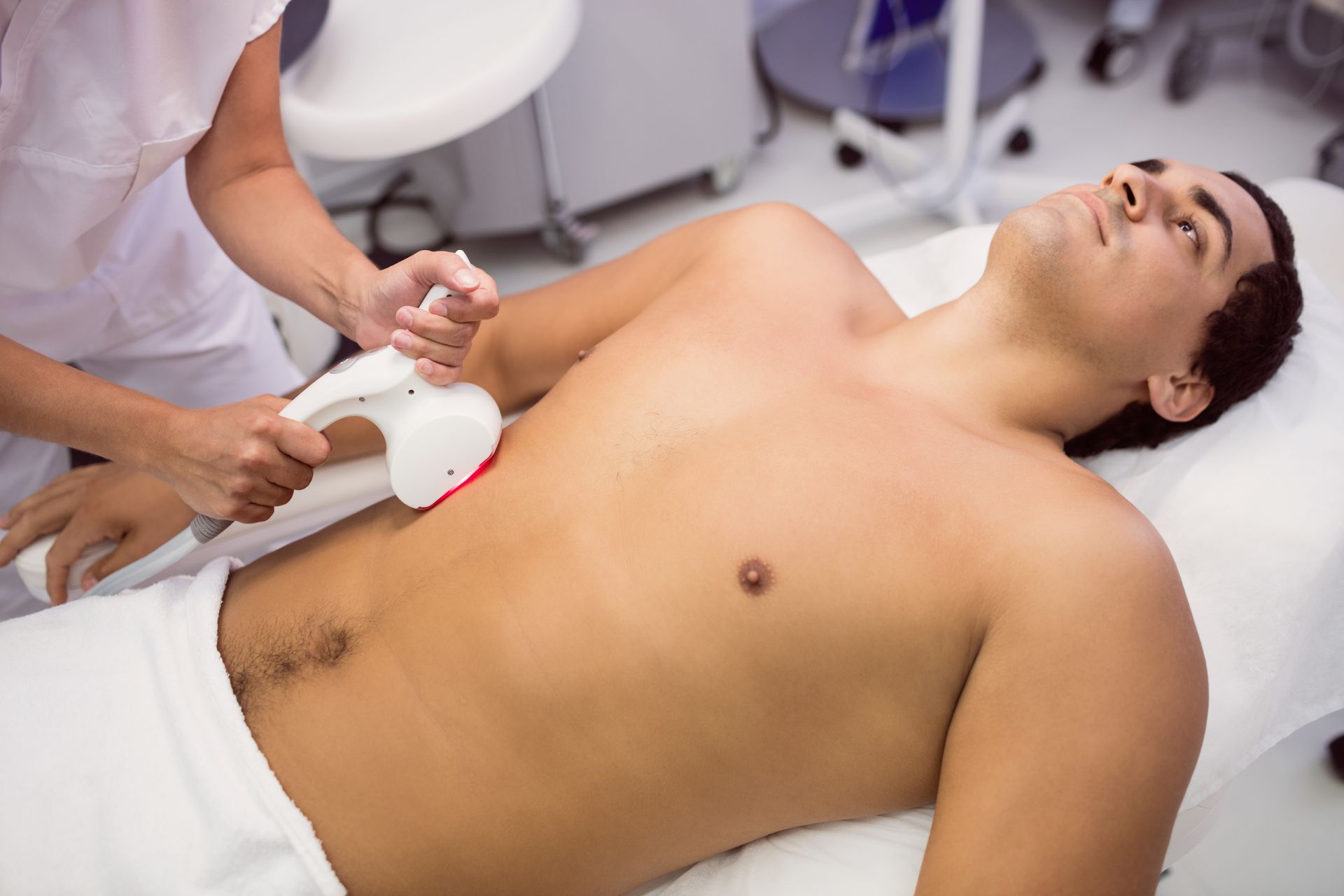
Red LED light reduces inflammation, boosts collagen gently, and calms irritation. It’s non-invasive, doesn’t heat the skin, and is safe even for very reactive skin.
Avoid blue light therapy unless your esthetician confirms it won’t irritate you — blue light can be drying.
4. Enzyme-Based Facials
Enzyme exfoliation (from papaya, pumpkin, or pineapple) is gentler than chemical peels or scrubs. It dissolves dead skin cells without abrasion, making it safe for mild sensitivity.
5. Sensitive-Skin Versions of Classic Facials
Some facials can be customized to your skin’s needs — for example:
- A gentle version of a deep cleanse facial
- No steam, or low, cool steam
- No extractions, or only soft, minimal extractions
- Mild enzymes instead of scrubs
- Cooling masks instead of clay
If you love the idea of a certain facial, ask if it can be adapted for sensitivity.
Facial Treatments to Avoid If You Have Sensitive Skin
Some treatments are simply too intense. Avoid these unless your dermatologist approves:
1. Harsh Chemical Peels
These can weaken your skin barrier and cause redness, burning, and peeling.
2. Microdermabrasion
The abrasive exfoliation can be too harsh for reactive skin, leading to inflammation.
3. Steam-Heavy Facials
Hot steam can worsen redness and trigger rosacea-like symptoms.
4. Manual Exfoliation or Scrubs
Anything gritty or rough can damage the barrier.
5. Strong Retinol or AHA/BHA Add-ons
These ingredients are potent and can irritate sensitive skin quickly.
It’s not about avoiding facials altogether — it’s about choosing the right kind.
How to Prepare Your Sensitive Skin Before a Facial
A little preparation goes a long way to prevent irritation.
Keep your routine simple for at least 3–5 days
Avoid:
- Retinol
- AHAs/BHAs
- Benzoyl peroxide
- New skincare products
- Harsh scrubs
Avoid sun exposure
Sun-sensitized skin reacts more easily during treatments.
Stay hydrated
Well-hydrated skin tolerates facials better.
Tell your esthetician everything
Share:
- Triggers
- Recent breakouts
- Allergies
- Medication
- Active products in your routine
The more they know, the safer the treatment.
What to Expect After Your First Facial: Redness, Results, and Care Tips
During the Facial: What You Should Expect
A sensitive-skin-safe facial should feel gentle from start to finish.
No burning or strong tingling
A mild tingle from enzymes is okay, but anything more should be stopped immediately.
Cool towels instead of hot steam
This avoids overheating the skin.
Minimal extractions
Your esthetician may skip or heavily reduce extraction intensity to avoid inflammation.
Focus on soothing
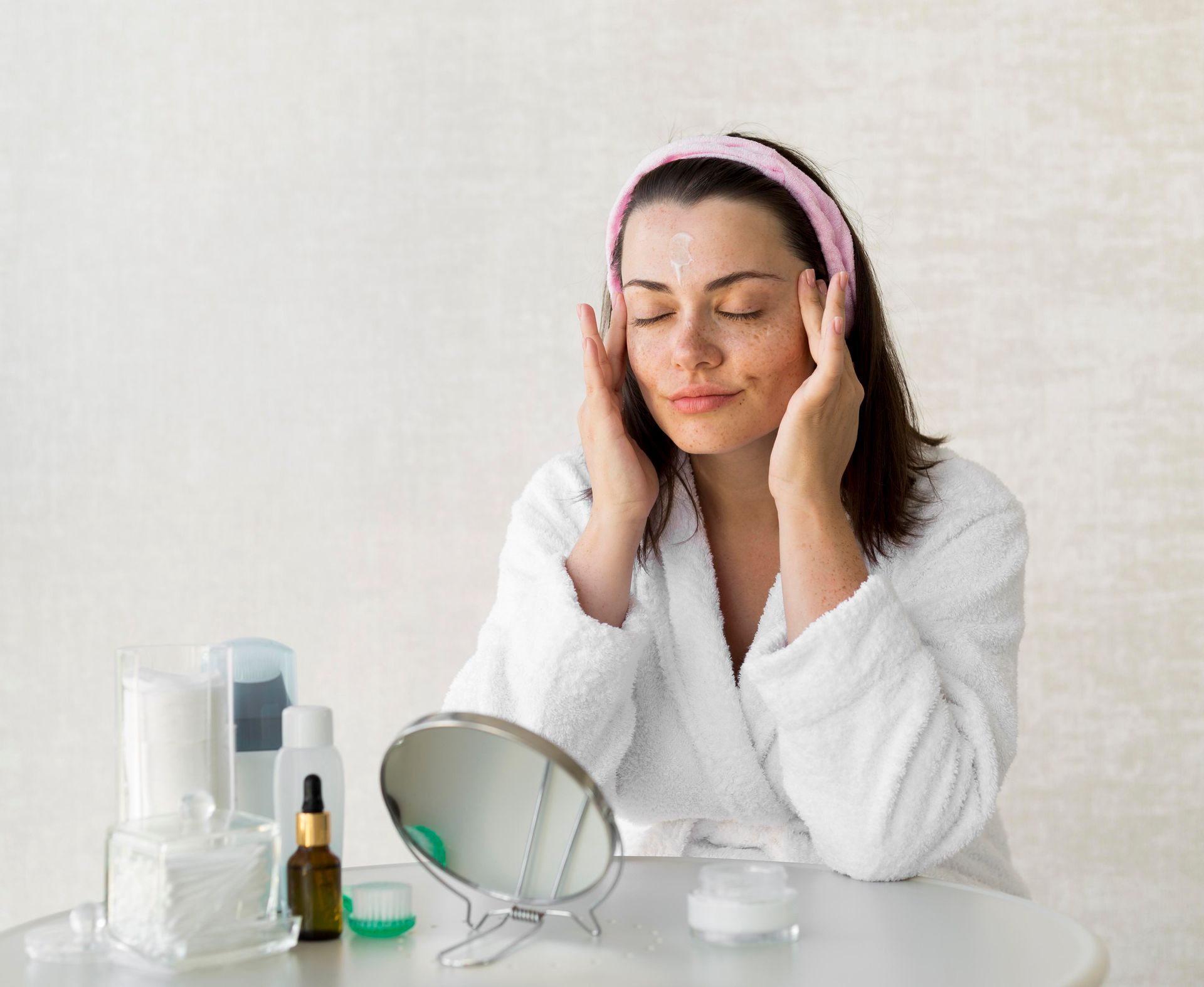
Masks, hydrating serums, cooling tools, and gentle massage help restore the barrier.
A good facial should leave your skin feeling calm, refreshed, and comforted — not inflamed.
After the Facial: What You Should Do to Protect Your Skin
Sensitive skin needs a careful post-facial routine.
Stick to gentle skincare
Use:
- A mild cleanser
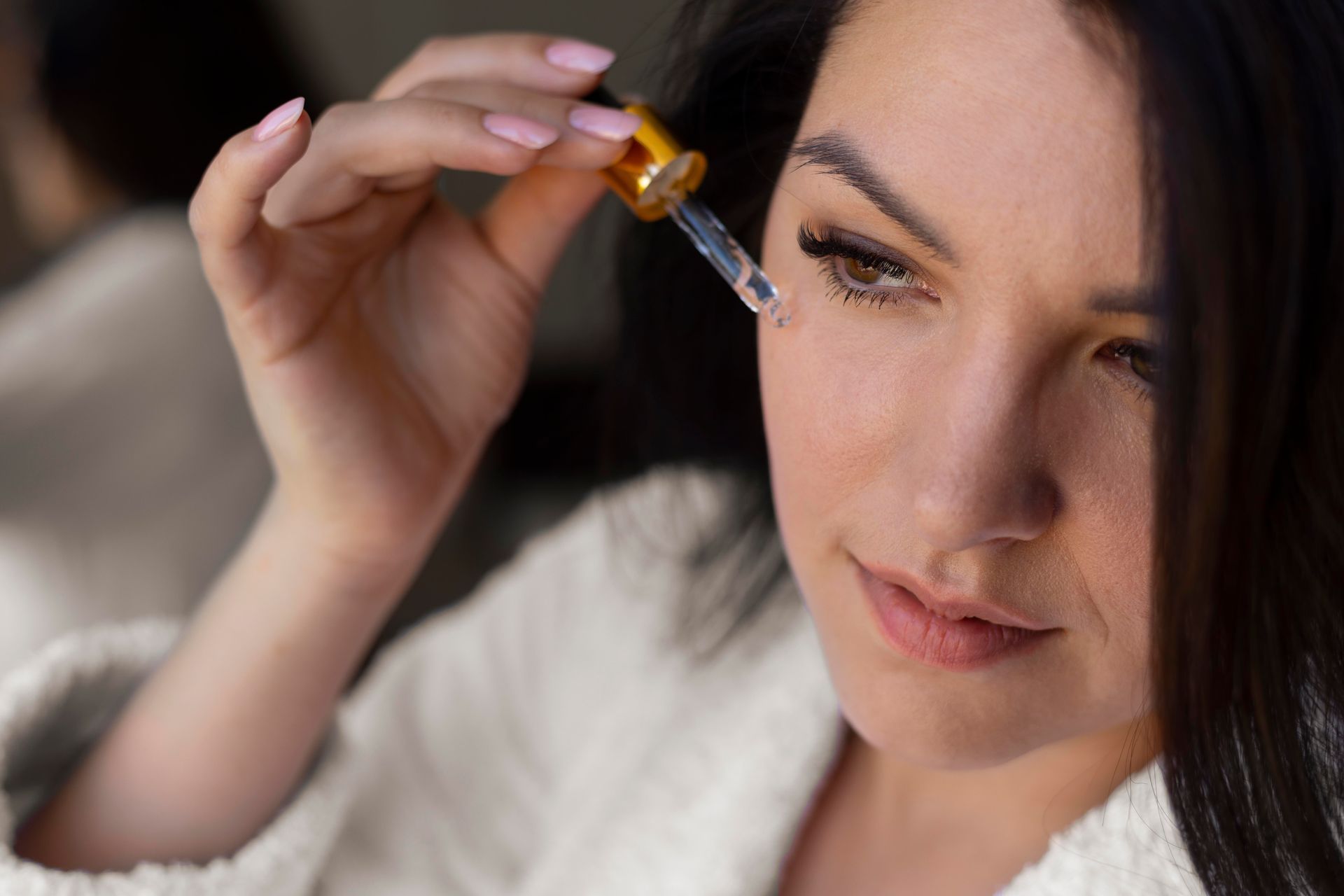
- A hydrating serum
- Fragrance-free moisturizer
- Sunscreen
Avoid everything else for 48–72 hours.
Avoid the sun, sweating, and heat for 24–48 hours
This includes:
- Saunas
- Gym workouts
- Hot showers
- Cooking over steam
Don’t try new products
Even “gentle” skincare can irritate freshly treated skin.
Expect mild pinkness
Slight temporary redness is normal and fades within hours.
How Often Should Sensitive Skin Get a Facial?
Once every 4–6 weeks is ideal, but if your skin is extremely reactive, stretching sessions to 6–8 weeks may be safer.
Consistent, gentle treatments strengthen your barrier over time — making your skin more resilient and less reactive.
How to Choose the Right Facial Clinic for Sensitive Skin
Not all clinics understand sensitivity, so look for:
- Licensed estheticians experienced with sensitive or rosacea-prone skin
- Patch testing before introducing new products
- Clinics that offer fragrance-free or hypoallergenic options
- Customizable facials instead of one-size-fits-all packages
- A strong consultation process
A good professional will never push you into treatments your skin isn’t ready for.
Conclusion
Sensitive skin doesn’t mean you can’t enjoy facials — it just means you need the right ones. With gentle ingredients, skilled estheticians, and a focus on calming and hydration, facials can actually help strengthen your skin barrier, reduce flare-ups, and give you a radiant, comfortable glow.
Choose treatments that respect your skin’s limits, prepare properly, and follow post-care—and your sensitive skin will thank you.
BOOK YOUR FREE SESSION