What to Do Before Laser Hair Removal on Face
Laser hair removal for the face is a highly effective solution for those tired of constant shaving, waxing, or threading. But before you book your first appointment, it’s important to understand that the journey to smooth, hair-free skin begins long before the laser touches your face. Preparing properly ensures better results, reduces the risk of side effects, and sets realistic expectations for the process.
In this detailed guide, we’ll walk you through everything you need to do before laser hair removal on the face, including the science behind it, common mistakes, risks, challenges, and essential do’s and don’ts.
Does face laser hair removal hurt
Why Preparation Matters for Facial Laser Hair Removal
Your facial skin is thinner, more sensitive, and more prone to breakouts or pigmentation than other areas. Without proper prep, the treatment can lead to complications like burns, excessive redness, or even discoloration. More importantly, the laser targets the pigment in the hair follicle, so interfering with that process can reduce its effectiveness.
A little preparation goes a long way in protecting your skin and maximizing the benefits of each session.
Understand How Laser Hair Removal Works
Before diving into the pre-treatment checklist, it helps to know how laser hair removal actually works.
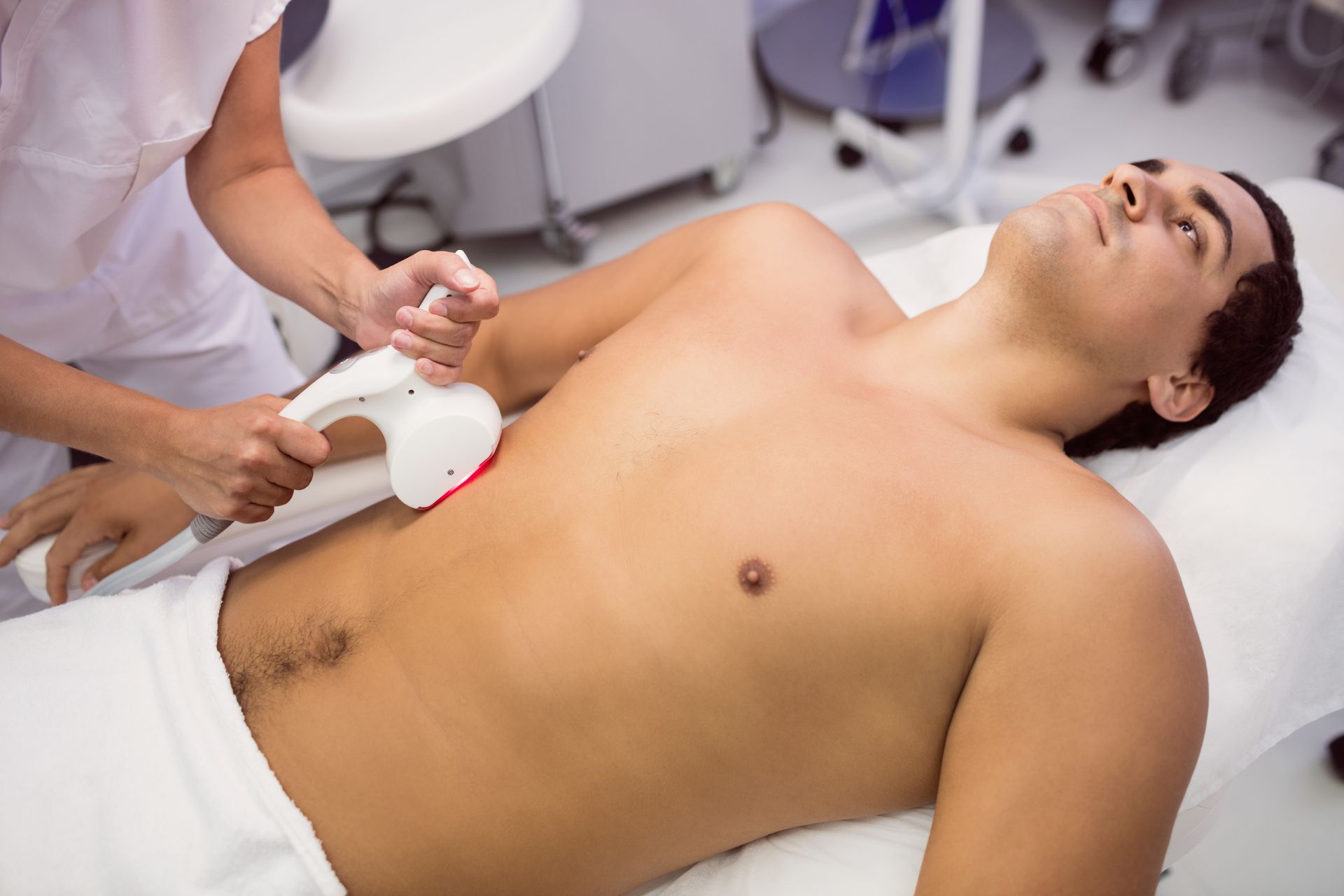
Laser devices emit pulses of light that are absorbed by the pigment (melanin) in the hair. This energy converts to heat, which damages the hair follicle and slows or stops future growth. Since lasers target pigment, the process works best on darker hair and lighter skin, although newer technology has expanded its reach across various skin tones.
With that understanding, let’s look at how to get your skin ready.
Step-by-Step: How to Prepare for Facial Laser Hair Removal
Step 1: Avoid Sun Exposure for At Least 2 Weeks
UV exposure can increase the risk of laser burns and hyperpigmentation. If you must go out, wear broad-spectrum sunscreen (SPF 30 or higher) and avoid tanning beds completely.
Step 2: Skip Waxing, Threading, or Tweezing
These methods remove the hair from the root, which the laser needs to target. Avoid them for at least 4–6 weeks before your appointment. Shaving is allowed because it doesn’t disturb the follicle.
Step 3: Shave the Area 12 to 24 Hours Before Treatment
Yes, even facial hair should be shaved! This reduces the chance of surface burns. Use a clean razor and avoid any products that may irritate the skin. Shaving allows the laser to directly reach the follicle without interference.
Step 4: Avoid Skincare Products That Sensitize the Skin
Stop using retinol, glycolic acid, salicylic acid, benzoyl peroxide, or any harsh exfoliants for at least 3–5 days prior. These can weaken the skin barrier, increasing the chances of post-laser irritation or burns.
Step 5: Keep the Face Clean and Free of Makeup
On the day of your appointment, arrive with a clean, product-free face. Makeup, lotions, oils, or deodorants can interfere with the laser and cause adverse reactions.
Step 6: Review Medications with Your Technician
Some antibiotics and acne medications (like Accutane) make your skin more sensitive to light. Be honest about any medications or supplements you’re taking so your provider can adjust your treatment plan accordingly.
Mistakes to Avoid Before Facial Laser Hair Removal
- Using tanning products, including self-tanners
- Not disclosing skin conditions like rosacea or eczema
- Forgetting to shave or shaving too far in advance
- Applying makeup or skincare the morning of your appointment
- Getting facials, chemical peels, or microdermabrasion shortly before treatment
Each of these can reduce the effectiveness of your session or lead to post-treatment complications.
Potential Risks if You Don’t Prepare Properly
Not prepping your face before laser hair removal can lead to:
- Hyperpigmentation or dark spots
- Burns or blistering
- Increased redness and swelling
- Breakouts or folliculitis
- Uneven or delayed results
Laser hair removal is safe when performed by professionals and when aftercare and preparation instructions are followed closely.
Challenges and How to Handle Them
Challenge: Skin feels too sensitive from previous treatments.
Fix: Wait a few extra days and reschedule your appointment.
Challenge: You forgot to shave or used wax instead.
Fix: Notify your technician. It’s better to reschedule than risk poor results.
Challenge: You’re unsure which skincare products to stop.
Fix: Reach out to your clinic in advance. Many offer pre-treatment checklists or free consultations.
Tips for a Stress-Free First Appointment
- Stay hydrated in the days leading up to your appointment.
- Wear loose, comfortable clothing to avoid friction on the treated area.
- Eat a light meal before you go—low blood sugar can make the session feel more uncomfortable.
- Take a photo of the treatment area for comparison after a few sessions.
Remember, results won’t show overnight. Hair will gradually shed over 1–3 weeks, and multiple sessions are needed for permanent reduction.
Final Thoughts: A Smooth Start Leads to Smooth Skin
Preparing for facial laser hair removal is just as important as the treatment itself. By giving your skin the care and time it needs before your appointment, you reduce the risks and improve your chances of long-lasting results.
Laser hair removal isn’t a one-time fix—it’s a journey. Start strong by prepping right, and your future self will thank you every time you skip the razor or wax strip.
BOOK YOUR FREE SESSION