Niacinamide After Laser Hair Removal: Yes or No?
Laser hair removal is often described as low-maintenance, but the aftercare phase is where results are protected or compromised. One of the most common questions clients ask after a session is whether they can continue using niacinamide. It’s a popular ingredient, widely recommended for calming skin, controlling oil, and strengthening the barrier. But post-laser skin follows different rules than everyday skincare.
So is niacinamide helpful after laser hair removal, or can it cause problems? The answer is nuanced, and understanding that nuance can make a real difference in how your skin heals.
This article breaks down what niacinamide does, how laser-treated skin behaves, when niacinamide can help, when it should be avoided, and how to use it safely if appropriate.
Best Post-Laser Serums for Faster Healing (Derm-approved)
Why Aftercare Matters More Than the Laser Itself
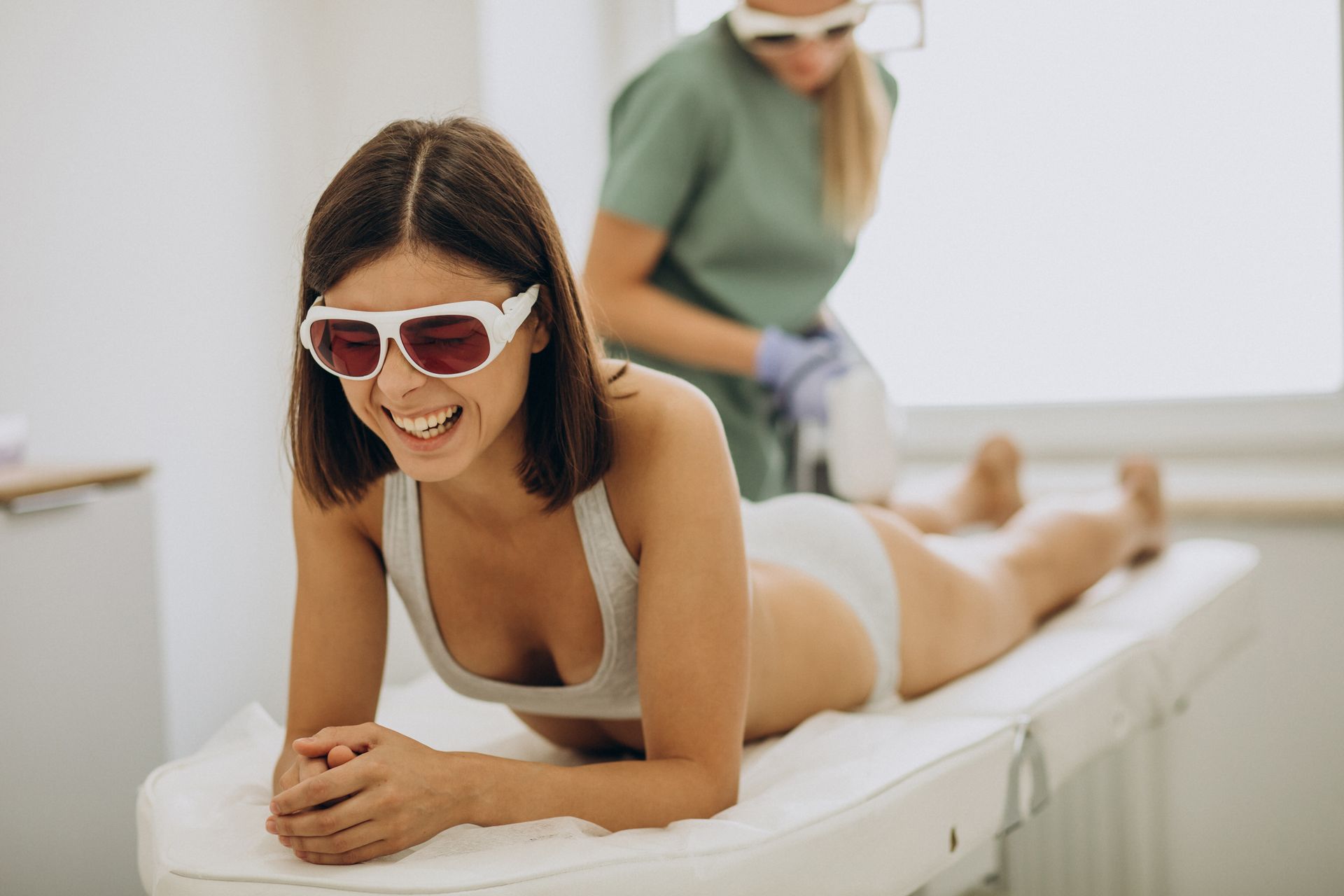
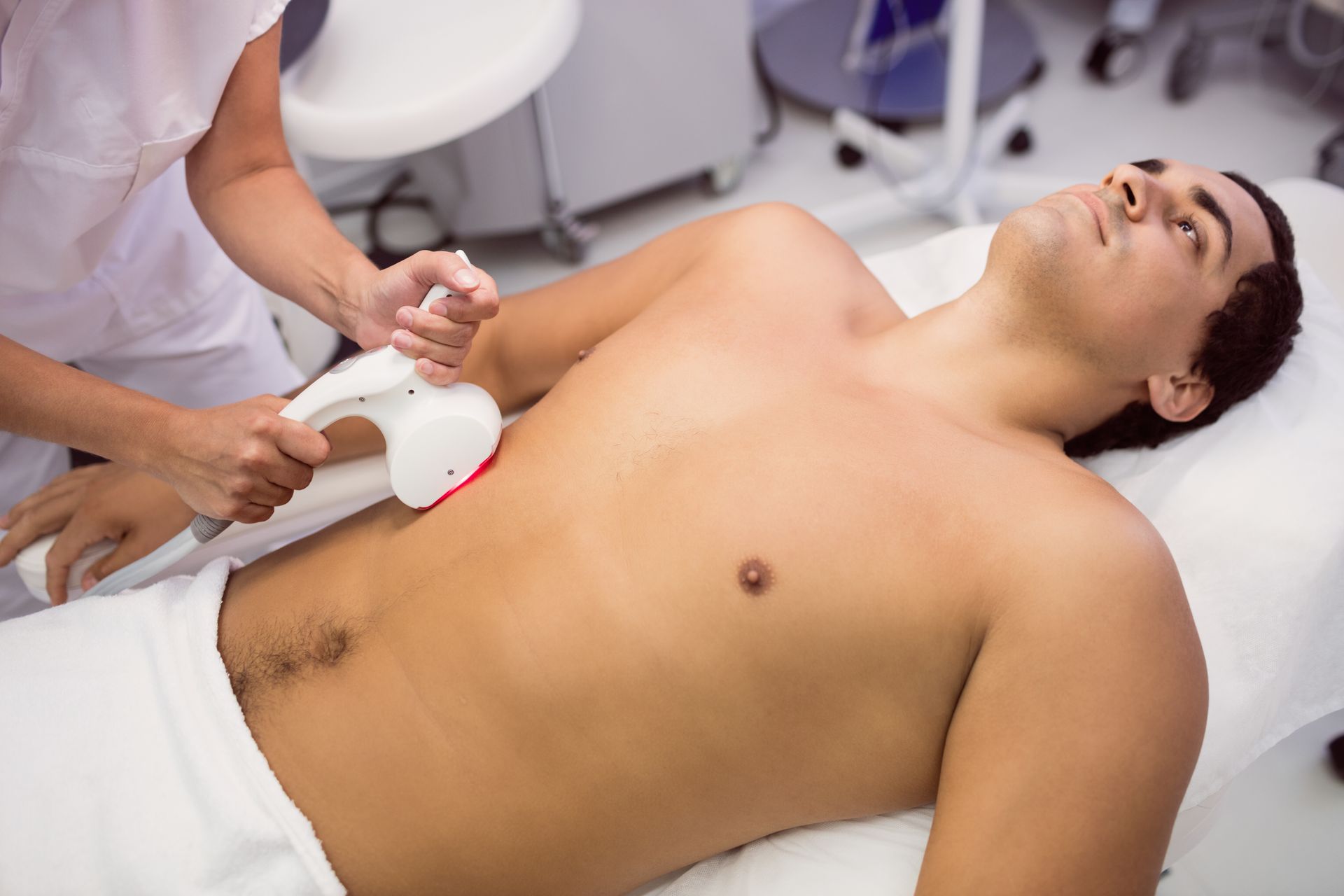
Laser hair removal works by delivering controlled heat to the hair follicle while sparing the surrounding skin. Even when done correctly, this process temporarily disrupts the skin barrier. The surface may look normal within hours, but internally the skin is in repair mode.
During this time, the skin is more absorbent, more reactive, and less tolerant of stimulation. Ingredients that are beneficial in normal conditions can feel irritating or behave unpredictably. That’s why aftercare isn’t about using the “best” products, but the right ones for healing skin.
Niacinamide sits in a grey area that depends heavily on timing, concentration, and skin type.
What Niacinamide Actually Does in the Skin
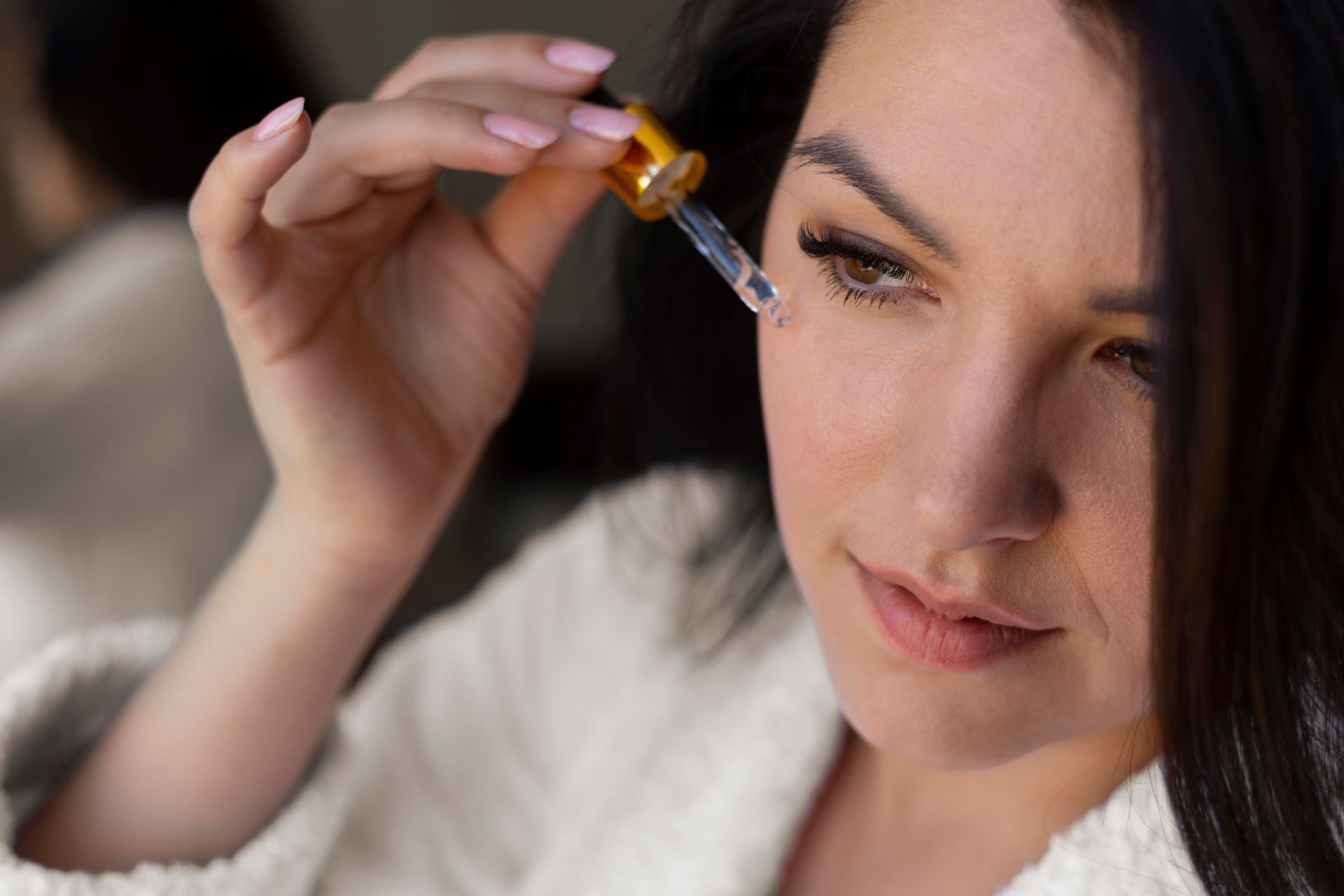
Niacinamide, a form of vitamin B3, is known for being multifunctional. It supports the skin barrier by increasing ceramide production, helps regulate oil, reduces redness, and improves uneven tone over time. It also plays a role in calming inflammation and supporting repair mechanisms.
Because of these properties, niacinamide is often described as gentle and universally safe. However, “gentle” does not always mean suitable immediately after laser, especially at higher strengths.
Understanding how niacinamide works helps explain why it can be either helpful or irritating depending on the situation.
How Laser-Treated Skin Responds to Active Ingredients
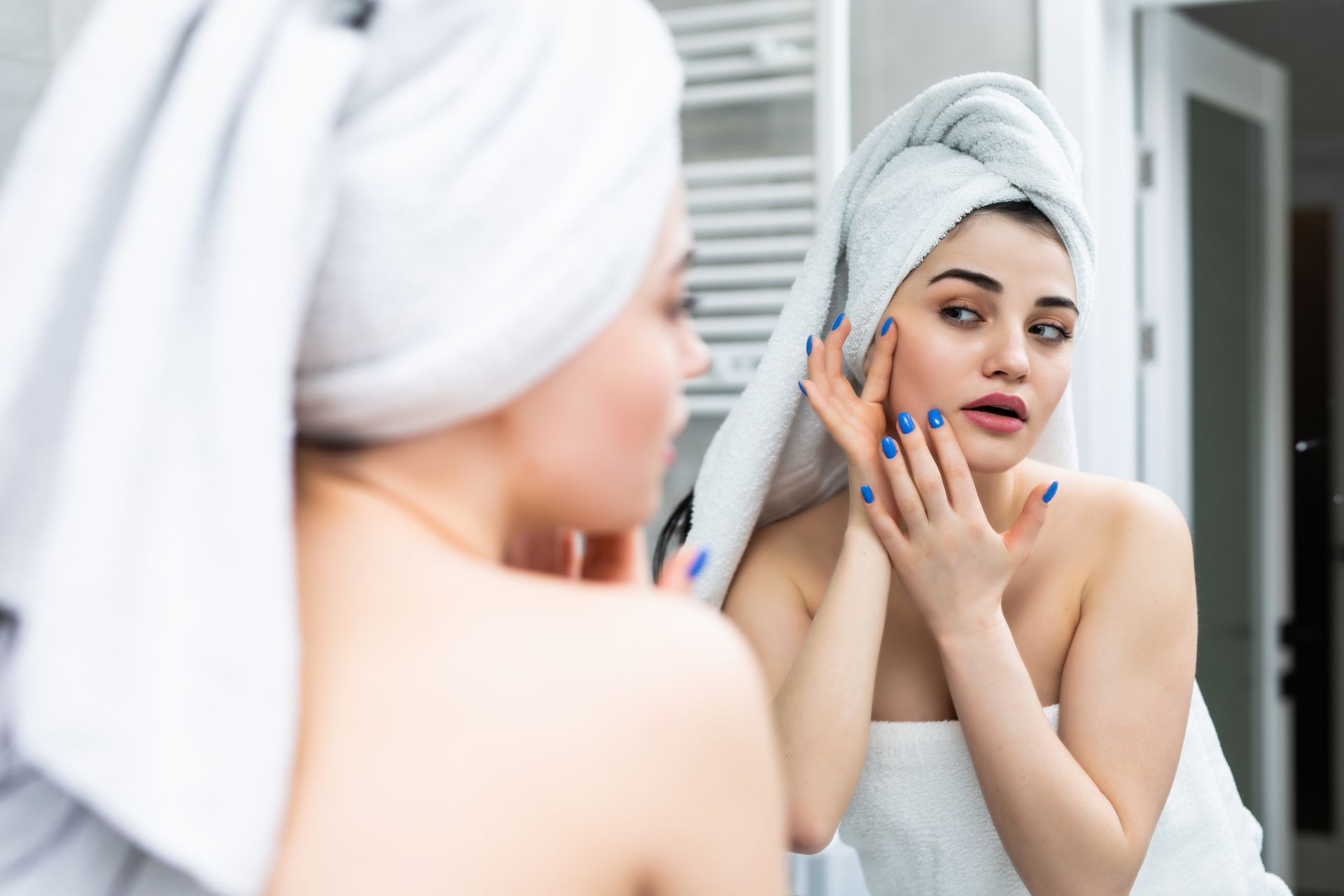
After laser hair removal, the skin experiences mild thermal stress. This can lead to temporary redness, swelling around follicles, warmth, or sensitivity. Even when these signs are subtle, the skin barrier is still compromised.
In this state, the skin absorbs ingredients more deeply and reacts faster. Anything that increases circulation, cell activity, or penetration has the potential to overstimulate healing skin. This is why even well-tolerated ingredients may cause stinging or redness post-laser.
Niacinamide, while not an exfoliant, is still an active ingredient that influences skin processes.
Can You Use Niacinamide After Laser Hair Removal?
The short answer is: sometimes, but not immediately for everyone.
Low-strength niacinamide can support healing after the initial recovery phase, but using it too soon or in high concentrations may cause irritation, flushing, or breakouts. The timing matters more than the ingredient itself.
For many people, the safest window to consider reintroducing niacinamide is once the skin feels calm, cool, and free of visible redness or sensitivity.
When Niacinamide Can Be Helpful Post-Laser
Niacinamide may be beneficial after the first few days, once acute sensitivity has settled. At this stage, its barrier-repair and anti-inflammatory properties can support recovery and reduce post-treatment redness.
It may also help people who are prone to post-laser breakouts by supporting oil balance and calming inflammation, provided the skin is no longer reactive.
In these cases, the key factors are low concentration, simple formulation, and healthy skin tolerance.
When Niacinamide Should Be Avoided
Niacinamide is best avoided in the first 24 to 72 hours after laser hair removal, especially if your skin is red, warm, or tender. During this window, even calming actives can overstimulate the skin.
It should also be avoided if you are using products with high concentrations, typically above 5%. Many serums on the market contain 10% niacinamide, which is more likely to cause flushing or irritation on compromised skin.
If you have very sensitive skin, rosacea-prone skin, or a history of post-treatment reactions, it’s often best to delay niacinamide longer or skip it entirely until full recovery.
Why Niacinamide Sometimes Causes Redness or Breakouts
Despite its reputation, niacinamide can cause adverse reactions in certain conditions. One reason is concentration. Higher percentages can trigger vasodilation, leading to redness or warmth that feels similar to irritation.
Another reason is formulation. Niacinamide paired with other actives, fragrances, or penetration enhancers can increase sensitivity post-laser. In some cases, niacinamide converts to nicotinic acid on the skin, which can cause flushing, especially when the barrier is weakened.
Post-laser breakouts blamed on “purging” are sometimes actually irritation reactions triggered by early reintroduction of actives.
How to Safely Reintroduce Niacinamide After Laser
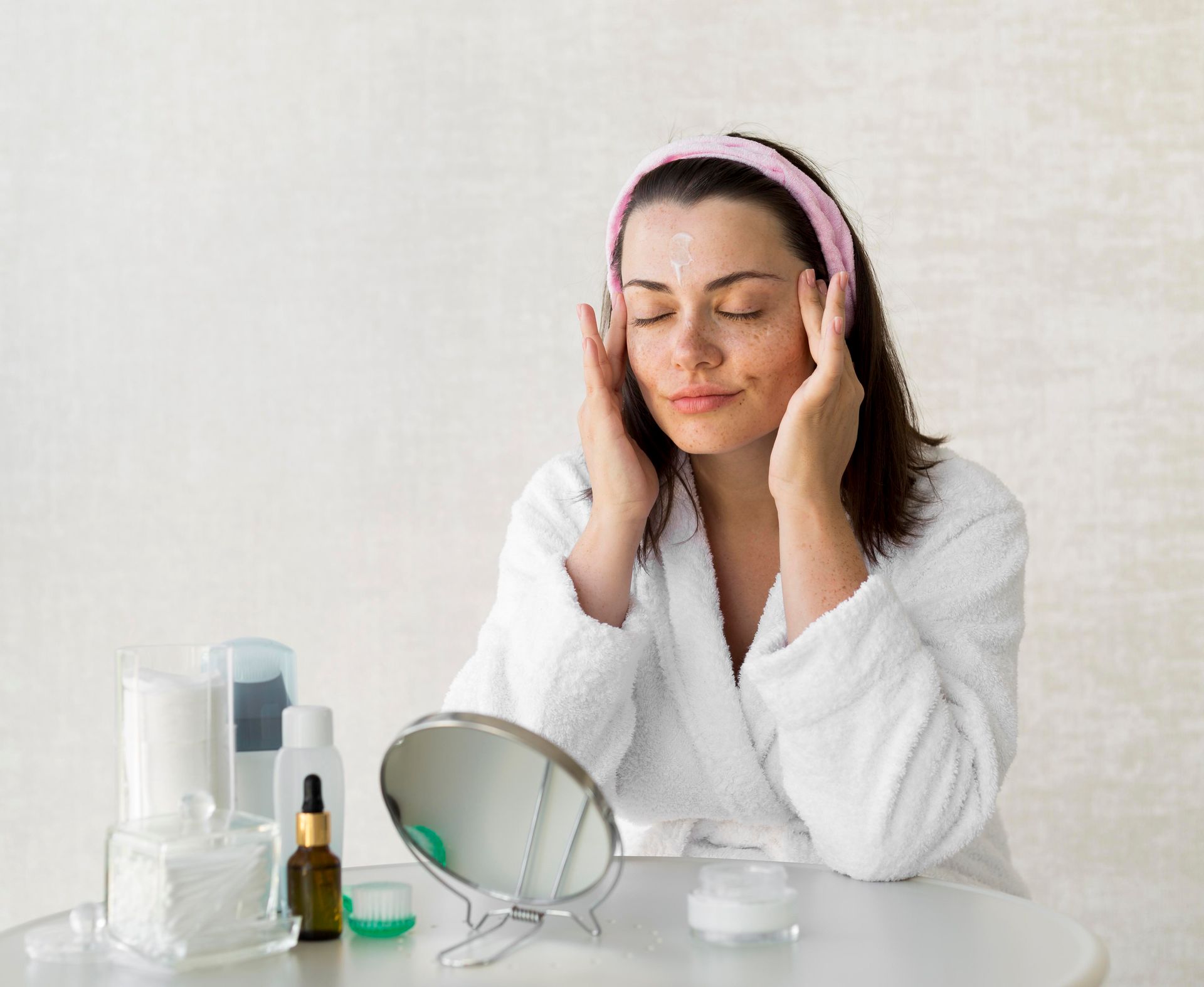
If you plan to use niacinamide after laser hair removal, timing and moderation are essential. Once the skin feels calm and looks normal again, you can test a low-strength product.
A patch test on a small area is wise, even if you’ve used niacinamide for years. Apply once daily at most and monitor how your skin responds over 24 hours. If there is no stinging, redness, or warmth, it can be slowly incorporated into your routine.
Avoid layering niacinamide with other actives during this period. Simplicity supports healing.
What to Use Instead in the First Few Days
In the immediate post-laser phase, your skincare should focus on hydration, barrier repair, and protection. Ingredients like hyaluronic acid, glycerin, ceramides, panthenol, centella asiatica, and colloidal oatmeal are generally better tolerated.
These ingredients soothe inflammation without stimulating cellular activity. They help the skin recover naturally before actives like niacinamide are reintroduced.
Sun protection with a gentle mineral sunscreen is also critical during this time.
IPL vs Diode vs Alexandrite vs Nd:YAG – Which Is Best for YOU?
Niacinamide and Pigmentation Concerns After Laser
Many people use niacinamide to prevent or treat pigmentation. While it does help regulate pigment transfer over time, using it too early after laser may backfire by irritating the skin and increasing the risk of post-inflammatory hyperpigmentation.
Protecting the skin barrier and avoiding inflammation in the early phase is more effective for preventing pigmentation issues than introducing brightening actives too soon.
Does This Apply to All Laser Areas?
Facial areas, the neck, underarms, and bikini line tend to be more sensitive than legs or arms. Niacinamide may be tolerated sooner on less sensitive body areas, but the same principle applies: if the skin feels reactive, it’s not ready.
Areas with friction, sweating, or shaving between sessions may also need a longer break from actives.
When to Ask a Professional
If you’re unsure whether your skin is ready for niacinamide, or if you’ve experienced redness, breakouts, or burning after using it post-laser, consult a trained professional. A qualified skin therapist can assess barrier health and guide you on safe reintroduction.
Reputable clinics prioritize education and individualized aftercare because long-term results depend on how the skin heals between sessions.
Final Verdict: Niacinamide After Laser — Yes, But With Timing and Care
Niacinamide is not inherently unsafe after laser hair removal, but it is not universally appropriate immediately after treatment. Used too soon or in high concentrations, it can irritate healing skin and compromise results. Used at the right time, in the right form, it can support recovery and skin balance.
The safest approach is patience. Allow your skin to calm, protect the barrier first, and reintroduce niacinamide gradually only when your skin is ready. Laser results last longer and look better when healing is respected, not rushed.
BOOK YOUR FREE SESSION