Can Bikini Laser Hair Removal Help With Razor Burn and Itching?

Youmna Rehman • September 20, 2025

When it comes to pubic hair removal, razor burn and itching are two of the most dreaded side effects. Shaving in such a sensitive area often leaves behind red bumps, irritation, and even ingrown hairs. That’s why many people are now considering bikini laser hair removal not just for smoothness, but also as a long-term solution to these uncomfortable issues. But does it actually help with razor burn and itching—or is it just another beauty myth? Let’s dive deep into how laser treatments can make a difference and what real users are saying.


Can Bikini Laser Hair Removal Cause Redness or Irritation


Why Razor Burn and Itching Happen After Shaving

Razor burn is essentially skin irritation caused by friction from the razor blade. The pubic area is especially prone to it because the hair is coarse, the skin is sensitive, and shaving usually involves going over the same spot more than once. The itching often follows a few days later when hair starts to grow back, leaving behind prickly regrowth that rubs against the skin.

For many people, these symptoms repeat every single time they shave—making hair removal more of a chore than a confidence booster.


How Bikini Laser Hair Removal Works

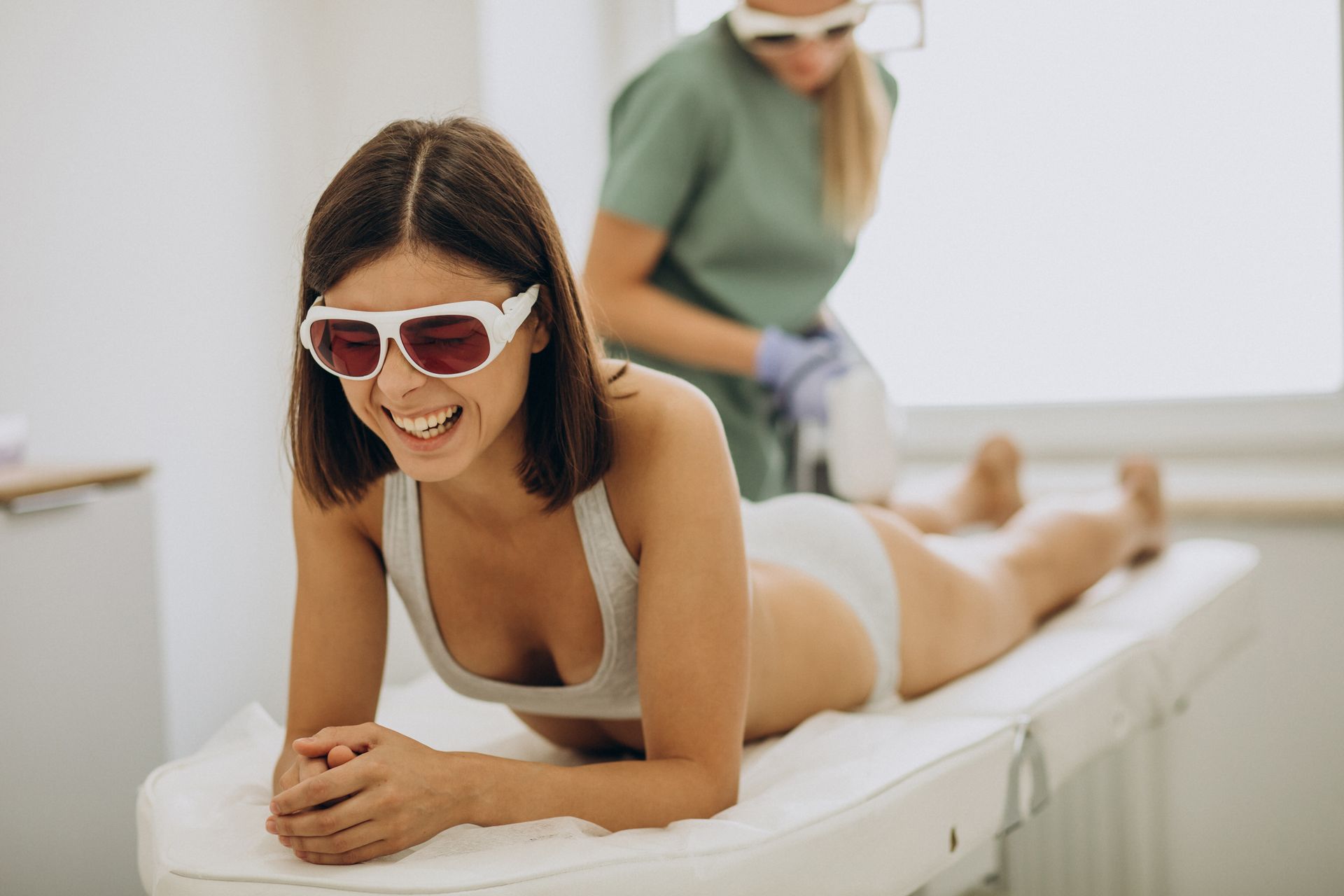
Bikini laser hair removal uses concentrated light energy to target and weaken the hair follicles. Over a series of treatments, this reduces hair growth significantly. Since the hair is destroyed at the root, the cycle of shaving, razor burn, and itching is interrupted. The fewer hairs you have regrowing, the fewer chances you’ll have of irritation.


Can Laser Hair Removal Really Reduce Razor Burn?

Yes, laser treatments can dramatically reduce razor burn over time. The simple reason is that when you no longer shave as frequently—or at all—your skin is spared from razor friction. Most people notice that after a few sessions, they already need to shave less often, which immediately decreases the irritation cycle.

However, it’s worth noting that the relief is not instant. After your first session, you may still need to shave until the hair begins to thin and fall out. This means bumps and itching may still occur during the early weeks.


Does It Help With Itching Too?

The itching from pubic shaving typically comes from hair regrowth. When the follicle is damaged or destroyed by the laser, regrowth slows down and eventually stops. That means fewer prickly stubbles poking the skin, which translates into less itching. In the long run, laser hair removal can help you forget what post-shave itch even feels like.


Bikini Laser Hair Removal for Darker Skin Tones: Safety Tips

Real Reddit Experiences on Razor Burn and Laser

Sometimes the best way to understand results is by hearing from people who have gone through the same struggles. On Reddit, users shared their experiences dealing with razor burn and transitioning to laser:


There will be a period when this happens, but eventually the laser will remove all those hairs. My advice is to use glycolic acid, but don’t scratch or do anything that causes scars.” u/Flat-Information-178


The itch and red bumps are from the hair growing back, it will happen and the more you shave the more you will get used to it and the less it will itch. The main thing you can do is to keep exfoliating but very gently and moisturize with something water-based.” – u/Spank_and_Cuddle


First, cold compress/ice pack or apply a 1% hydrocortisone cream to the bumps to reduce inflammation and itching. Also avoid scratching or picking at the bumps, as this can worsen irritation.” – u/chrischun1


These real-world comments show that while irritation after shaving is common, laser hair removal gradually reduces both the frequency of shaving and the severity of irritation.


Precautions to Take During Laser Hair Removal

Even though laser can help with razor burn and itching, it comes with its own aftercare needs. The bikini area is sensitive, so you’ll want to:

  • Avoid shaving too close before your session (shave 24 hours prior).
  • Skip scented lotions, deodorants, or perfumes in the area.
  • Wear loose cotton underwear to prevent friction.
  • Use aloe vera gel or doctor-recommended creams to soothe post-laser redness.

Following these steps will ensure you maximize results while minimizing temporary irritation.


Who Should Consider Bikini Laser Hair Removal for This Problem?

If you constantly struggle with red bumps, ingrown hairs, or unbearable itching after shaving, laser hair removal could be a life-changing solution. It’s especially useful for people with coarse or curly hair, who tend to be more prone to ingrowns.

That being said, results vary depending on your skin tone, hair type, and hormonal balance. Consulting a qualified technician is essential to set realistic expectations.


Conclusion: Say Goodbye to Razor Burn and Itch

While bikini laser hair removal isn’t a magic overnight fix, it does tackle the root cause of razor burn and itching—shaving itself. By significantly reducing hair growth, it allows your skin to rest and heal without being exposed to constant friction and regrowth irritation. For many, this means long-term relief and a smoother, more comfortable bikini line.

BOOK YOUR FREE SESSION

By Hagar Vaknin December 20, 2025
How does pain-free laser hair removal work? Learn the technology behind cooling systems, energy delivery, and why modern lasers reduce discomfort without reducing results.
By Hagar Vaknin December 19, 2025
IPL vs Diode vs Alexandrite vs Nd:YAG: Compare laser hair removal technologies to find the right choice for your skin tone, hair type, safety, and results.
By Hagar Vaknin December 18, 2025
Hidradenitis suppurativa (HS) is not just a skin condition—it is a chronic, often painful disease that can deeply affect quality of life. Recurrent boils, abscesses, scarring, and inflammation in areas like the underarms, groin, inner thighs, and buttocks make everyday activities uncomfortable and emotionally exhausting. For many people living with HS, managing hair in these areas becomes an added challenge, as shaving or waxing often worsens flare-ups. This has led to growing interest in laser hair removal as part of HS management. But is it safe? Does it actually help? And what should you realistically expect if you pursue laser hair removal with hidradenitis suppurativa? Understanding how HS develops—and how laser treatment interacts with affected skin—can help you make an informed, confident decision. Laser Hair Removal for Keratosis Pilaris: Does It Help “Chicken Skin”? Understanding Hidradenitis Suppurativa at Its Root Hidradenitis suppurativa is a chronic inflammatory condition that affects hair follicles, not sweat glands as once believed. The condition begins when hair follicles become blocked, inflamed, and eventually rupture beneath the skin. This leads to painful nodules, tunnels under the skin (sinus tracts), scarring, and repeated infections. Because HS originates in the hair follicle, any treatment that reduces follicular activity has the potential to help manage symptoms. This is the scientific basis behind using laser hair removal as a supportive therapy. Why Hair Removal Is So Challenging for HS Patients Traditional hair removal methods are particularly problematic for people with HS. Shaving causes micro-cuts and friction, which can trigger inflammation. Waxing and threading pull hair from the root, further irritating already sensitive follicles and increasing the risk of flare-ups. Even leaving hair untouched can contribute to friction, bacterial buildup, and clogged follicles in areas where skin rubs together. This creates a frustrating cycle where every option seems to worsen symptoms. How Laser Hair Removal Can Help Hidradenitis Suppurativa Laser hair removal works by delivering targeted heat to the hair follicle, damaging its ability to produce hair. Over time, this significantly reduces hair density and follicular activity. For HS, fewer active follicles mean fewer opportunities for blockage and inflammation. By reducing one of the key triggers of the disease, laser hair removal can help decrease the frequency and severity of flare-ups in some patients. It is important to note that laser hair removal is not a cure for hidradenitis suppurativa. However, it is increasingly recognized as a supportive treatment that may improve symptom control and quality of life.  What the Research Suggests Clinical studies and dermatological experience suggest that laser hair removal—particularly with certain laser types—can lead to fewer lesions, reduced inflammation, and longer periods between flares for people with mild to moderate HS. Results tend to be more noticeable when treatment is started early, before extensive scarring and sinus tracts develop. Advanced HS may still benefit, but expectations must be carefully managed. Who Is a Good Candidate for Laser Hair Removal With HS Laser hair removal is generally considered most suitable for individuals with mild to moderate hidradenitis suppurativa who experience recurring lesions in hair-bearing areas. Candidates should have relatively stable skin without widespread active infection at the time of treatment. Areas with open wounds, draining lesions, or severe inflammation are typically avoided until the skin has calmed. Skin tone, hair color, and overall disease activity all influence whether laser treatment is appropriate, which is why professional evaluation is essential. What to Expect Before Treatment Begins A thorough consultation is critical. The provider will assess the stage of HS, current flare activity, scarring, medications, and overall skin sensitivity. Coordination with a dermatologist is often recommended, especially for patients on systemic treatments. Patch testing may be performed to evaluate how your skin responds to laser energy. Treatment plans are usually conservative, with lower energy settings and longer intervals between sessions. What Happens During Laser Sessions Laser sessions for HS are typically shorter than standard hair removal treatments because affected areas are treated cautiously. Cooling systems are used to protect the skin and minimize discomfort. You may feel warmth or snapping sensations, but pain levels vary depending on inflammation, scarring, and nerve sensitivity in the area. Providers avoid treating active lesions directly and focus on surrounding hair-bearing skin. Recovery and Aftercare Expectations After treatment, mild redness or warmth is common and usually resolves within hours to a day. For HS-prone skin, aftercare is especially important to prevent irritation. Keeping the area cool, dry, and friction-free supports healing. Gentle cleansing and fragrance-free moisturizers help protect the skin barrier. Heat exposure, intense exercise, and tight clothing are typically avoided for a short period after treatment. Any signs of increased pain, swelling, or new lesions should be reported promptly. How Many Sessions Are Needed for HS? Laser hair removal for hidradenitis suppurativa is a gradual process. Multiple sessions are required to reduce hair growth and follicular activity meaningfully. Most patients need a full series of treatments spaced several weeks apart, with maintenance sessions as needed. Improvements in flare frequency may be noticed after several sessions rather than immediately. Consistency and patience are key, as HS responds slowly to changes in follicular behavior. Laser Hair Removal for Eczema or Psoriasis-Prone Skin: Safety Guidelines Can Laser Hair Removal Trigger HS Flare-Ups? When performed carefully, laser hair removal generally does not worsen HS. However, if treatment is too aggressive or performed during active disease, it can potentially trigger inflammation. This is why conservative settings, proper timing, and experienced providers are essential. A skin-first approach prioritizes long-term stability over rapid hair reduction. How Laser Fits Into a Broader HS Management Plan Laser hair removal works best as part of a comprehensive HS management strategy. It may complement medical treatments such as topical therapies, oral medications, or biologics rather than replace them. Reducing hair growth can decrease friction and follicular blockage, making other treatments more effective and improving overall comfort. When Laser Hair Removal May Not Be Appropriate Individuals with severe, widespread HS involving extensive scarring and active infections may not be suitable candidates for laser hair removal. In such cases, medical or surgical management may take priority. A responsible provider will advise against treatment if the risks outweigh the potential benefits. Final Thoughts: What to Expect From Laser Hair Removal for HS Laser hair removal can be a valuable supportive option for people living with hidradenitis suppurativa, particularly when follicular blockage plays a significant role in flares. While it is not a cure, it can help reduce hair density, inflammation triggers, and the frequency of painful lesions over time. Success depends on realistic expectations, careful timing, and professional oversight. When approached thoughtfully and as part of a broader care plan, laser hair removal can offer meaningful relief and improved quality of life for some individuals with HS.
By Hagar Vaknin December 17, 2025
Is laser hair removal safe for eczema or psoriasis-prone skin? Learn expert safety guidelines, risks, timing tips, and aftercare to protect sensitive skin during treatment.
By Hagar Vaknin December 17, 2025
Hypopigmentation vs hyperpigmentation after laser treatments explained. Learn causes, risks, prevention, and what laser patients should know to protect skin tone safely.
By Hagar Vaknin December 17, 2025
Can laser hair removal reduce ingrown hair scarring long-term? Learn how it prevents ingrowns, improves dark marks, what results to expect, and when extra treatments may help.
By Hagar Vaknin December 14, 2025
One of the most unsettling experiences after starting laser hair removal is noticing hair that seems thicker, darker, or more noticeable than before. Many people expect immediate thinning and smoothness, so when regrowth looks coarse or stubborn, it can trigger worry that the treatment has failed—or worse, made things worse. The reality is more nuanced. Thick regrowth after laser can be completely normal in certain phases of treatment, but in other cases, it may signal that adjustments are needed. Understanding what’s happening beneath the skin can help you tell the difference and avoid unnecessary stress. Laser Hair Removal for Keratosis Pilaris: Does It Help “Chicken Skin”? How Laser Hair Removal Affects Hair Growth Over Time Laser hair removal works by targeting pigment in the hair follicle during its active growth phase, known as the anagen phase. Only hairs in this phase can be effectively damaged by the laser. At any given time, however, a large percentage of hair is resting or shedding, which means it won’t respond immediately. Because hair grows in cycles, laser results are gradual. Early sessions weaken follicles but don’t always stop hair production completely. This transitional period is often where confusion around “thick regrowth” begins. Why Hair Can Look Thicker After Laser Sessions In many cases, hair that appears thicker after laser was already there—it just wasn’t visible yet. Laser treatments can push resting hairs into active growth, making them surface all at once. When multiple hairs emerge together, the area may temporarily look denser or darker. Another factor is contrast. As treated hair sheds and falls out, the remaining untreated hairs stand out more clearly. This can create the illusion that regrowth is thicker, even though overall density is slowly decreasing. Is It Normal to See Coarse Hair After the First Few Sessions? Yes, it can be completely normal—especially early in the treatment plan. The first two to three sessions often stimulate hair cycles before meaningful reduction becomes visible. During this phase, hair may grow back unevenly, with some strands feeling coarse or patchy. What matters is not how the hair looks immediately after one session, but how it behaves across multiple treatments. Laser hair removal is cumulative, not instant. When Thick Regrowth Is a Temporary Phase Temporary thick regrowth is most common when follicles are partially damaged but not fully disabled. The hair grows back finer with each cycle, but that refinement takes time. Many clients notice that hair texture improves gradually rather than all at once. As sessions progress, regrowth typically becomes softer, slower, and more sparse. Areas that once felt coarse start to feel smoother even before complete hair reduction is achieved. When Thick Regrowth Might Be a Red Flag Not all thick regrowth should be ignored. If hair consistently grows back thicker after several properly spaced sessions, it may indicate that the laser settings are not optimized for your skin and hair type. In rare cases, a phenomenon called paradoxical hypertrichosis can occur, where laser stimulation causes increased hair growth in nearby areas. This is uncommon and usually linked to hormonal zones or incorrect treatment parameters. Persistent coarse regrowth can also be influenced by hormonal conditions, such as polycystic ovary syndrome (PCOS), which affects how follicles respond to laser energy. Does Shaving Between Sessions Affect Regrowth Thickness? Shaving does not make hair grow back thicker, despite a common misconception. When shaved hair regrows, it may feel blunt at the tip, making it seem coarser to the touch. This sensation can be mistaken for thicker hair, even though the follicle itself hasn’t changed. Laser hair removal requires shaving rather than waxing or threading, as the follicle must remain intact for the laser to work. Temporary texture changes from shaving are normal and do not interfere with long-term results. How Skin Type and Hair Type Influence Regrowth Coarse, dark hair responds best to laser treatments, but it may also take longer to show visible refinement. Thick follicles require repeated energy exposure to fully disable growth. People with finer hair may see faster texture changes but less dramatic density reduction. Skin tone also plays a role, as laser settings must be carefully adjusted to avoid skin damage while still effectively targeting hair. What You Should See Instead of Thick Regrowth Over Time As treatments continue, healthy progress usually looks like slower regrowth, patchiness, and softer texture rather than sudden smoothness. Hair should become easier to manage and less noticeable between sessions. If months pass with no reduction in density or texture, it’s worth reassessing the treatment plan rather than assuming laser doesn’t work for you. How a Professional Adjusts Treatment for Better Results A skilled laser technician continuously evaluates how your hair responds and adjusts energy levels, pulse duration, and session spacing accordingly. This personalized approach is crucial for preventing ineffective treatments and minimizing unwanted stimulation. Professional clinics also assess lifestyle factors, medications, and hormonal influences that may affect results. Laser hair removal is not a one-size-fits-all procedure, and progress depends heavily on customization. When to Be Patient and When to Ask Questions Patience is essential during the early stages of laser hair removal, but blind patience is not. If thick regrowth persists beyond several sessions or worsens over time, open communication with your provider is important. A reputable clinic welcomes these conversations and explains whether what you’re experiencing is expected or needs adjustment. Transparency and education are part of responsible care. Supporting Laser Results With Proper Aftercare Proper aftercare helps reduce inflammation and supports healthy follicle recovery. Keeping the skin hydrated, avoiding heat exposure, and protecting treated areas from sun damage can influence how hair regrows. Avoid plucking or waxing between sessions, as this disrupts the follicle and interferes with laser effectiveness. Consistency and care between appointments directly impact outcomes. Final Thoughts: Is Thick Regrowth After Laser Normal? In many cases, thick regrowth after laser hair removal is a temporary and harmless phase of the treatment process. It often reflects how hair cycles synchronize before long-term reduction becomes visible. However, persistent or worsening regrowth should not be ignored. The key to successful laser hair removal lies in proper assessment, individualized settings, and ongoing professional oversight. When laser is performed thoughtfully and supported by realistic expectations, thick regrowth usually gives way to smoother, finer, and more manageable skin over time.
By Hagar Vaknin December 13, 2025
Does laser hair removal help keratosis pilaris? Learn how laser treatments affect “chicken skin,” who benefits most, realistic results, and expert-backed care tips.
By Hagar Vaknin December 11, 2025
Folliculitis after laser hair removal is common—but completely manageable. Learn the causes, signs, treatment options, and expert-backed remedies to calm bumps fast and keep future sessions smooth.
By Hagar Vaknin December 8, 2025
Why some hair doesn’t shed after laser hair removal and when it’s a concern. Learn what’s normal, what supports shedding, and when to contact your provider.
More Posts