Can Laser Hair Removal Help Ingrown Hair Scarring Long-Term?

Hagar Vaknin • December 17, 2025

Ingrown hairs are more than a temporary annoyance. For many people, repeated ingrowns lead to dark marks, textured scars, and long-lasting discoloration that can be difficult to fade. Areas like the bikini line, underarms, legs, and beard area are especially prone to this cycle of irritation and scarring.

This often leads to an important question: can laser hair removal help reduce ingrown hair scarring in the long term, or does it only prevent new ingrowns from forming? The answer lies in understanding how ingrown hairs cause damage—and how laser technology interrupts that process.


Dealing With Thick Regrowth After Laser: Normal or Not?


How Ingrown Hairs Lead to Scarring

An ingrown hair occurs when a hair curls back into the skin or grows sideways instead of emerging properly. This triggers inflammation, redness, and sometimes infection. When this process repeats in the same follicle, the skin’s healing response can become irregular.

Over time, this chronic inflammation may leave behind post-inflammatory hyperpigmentation, textured scarring, or thickened skin. The more often the follicle is disturbed by shaving, waxing, or picking, the higher the risk of long-term marks.


Why Traditional Hair Removal Makes Scarring Worse

Shaving cuts hair at an angle, increasing the likelihood of sharp regrowth that re-enters the skin. Waxing and threading pull hair from the root, which can inflame follicles and damage surrounding tissue. These methods may temporarily remove hair, but they do not address the underlying tendency for ingrowns.

For individuals already dealing with scarring, repeated irritation often deepens discoloration and prolongs healing.


How Laser Hair Removal Changes the Ingrown Cycle

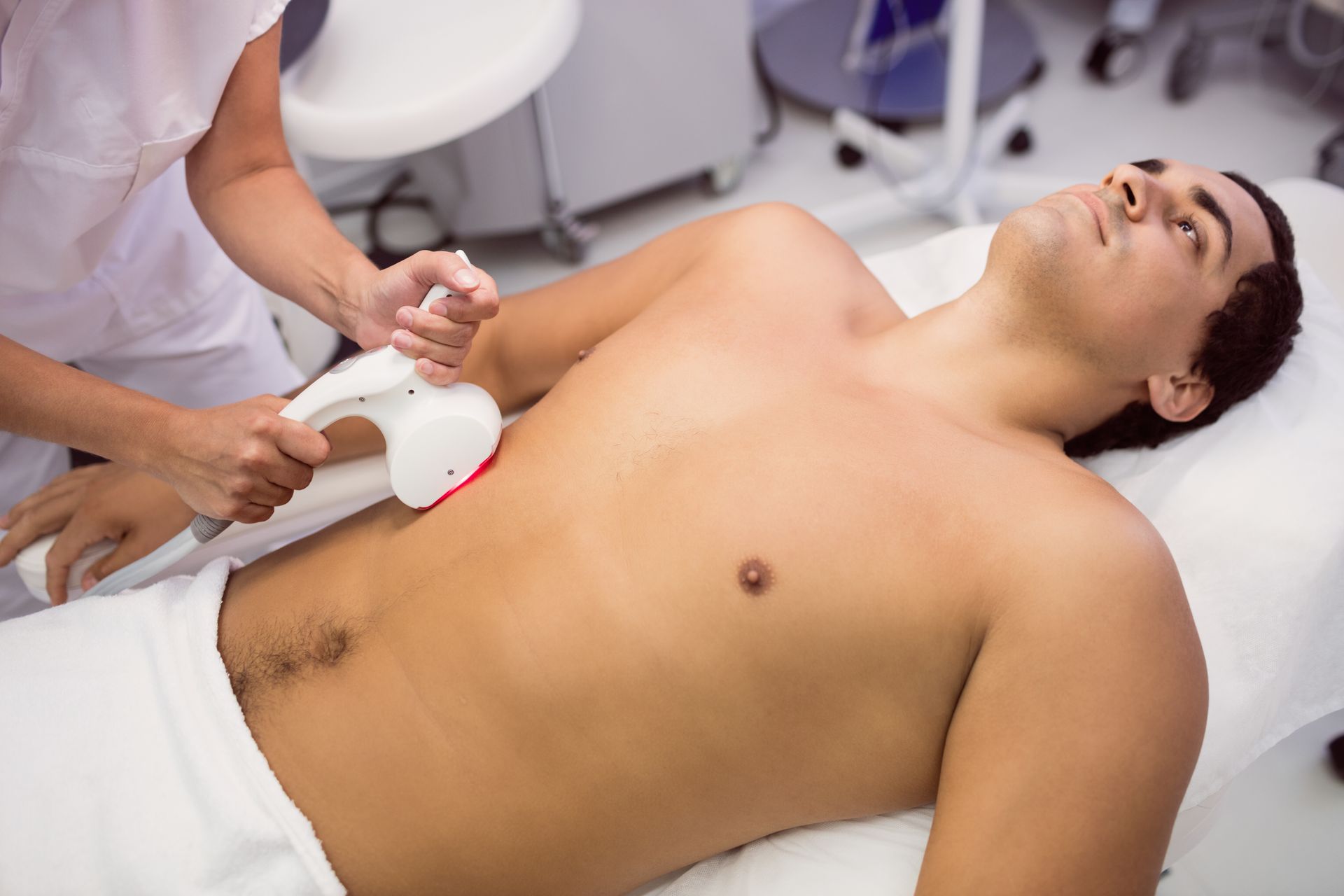
Laser hair removal works by damaging the hair follicle itself, reducing its ability to produce new hair. With fewer hairs growing—and those that do growing finer and slower—the chances of hair becoming trapped beneath the skin drop significantly.

By reducing follicular activity, laser treatment removes the trigger that causes repeated inflammation. This does not erase existing scars instantly, but it creates an environment where the skin can finally repair without ongoing injury.


Does Laser Hair Removal Fade Existing Ingrown Scars?

Laser hair removal is not a scar treatment in the traditional sense. It does not directly break down pigment or resurface the skin. However, many people notice gradual improvement in dark marks and uneven texture once new ingrowns stop forming.

As inflammation decreases, the skin’s natural renewal process becomes more effective. Post-inflammatory hyperpigmentation often lightens over time when the skin is no longer under constant stress. In some cases, improved circulation and reduced follicle congestion also enhance overall skin tone.


Which Types of Scarring Respond Best to Laser Hair Removal

Laser hair removal is most helpful for scarring caused by ongoing ingrown hairs rather than deep, fibrotic scars. Dark spots, mild textural irregularities, and follicle-based discoloration tend to improve the most.

Raised keloid scars or deep pitted scars may require additional treatments such as chemical peels, microneedling, or pigment-targeting lasers. A professional assessment helps determine whether laser hair removal alone is sufficient or should be part of a combined approach.


How Long Does It Take to See Improvement?

Preventing new ingrowns begins early in the laser treatment process, often within the first few sessions. Visible improvement in scarring takes longer, as the skin needs time to remodel and shed excess pigment.

Most people notice gradual fading over several months, particularly when laser hair removal is paired with proper aftercare and sun protection. Results depend on skin type, the depth of pigmentation, and the duration of scarring.


Is Laser Safe for Scar-Prone Skin?

When performed correctly, laser hair removal is generally safe for skin prone to scarring. In fact, it often reduces the need for aggressive hair removal methods that worsen damage.

That said, skin with active infections, open wounds, or inflamed ingrowns should be treated cautiously. A qualified provider will ensure the skin is calm before proceeding and use settings appropriate for your skin tone and sensitivity.


The Importance of Professional Technique

Effective laser hair removal for ingrown hair scarring depends heavily on technique. Incorrect energy levels or improper spacing between sessions can irritate the skin or reduce effectiveness.

Experienced professionals assess not only hair and skin type but also the pattern of ingrowns, scarring history, and healing response. This individualized approach minimizes risk while maximizing long-term improvement.


Supporting Scar Improvement With Proper Aftercare

Laser hair removal works best when supported by a gentle skincare routine. Avoid picking or squeezing ingrowns, as this can deepen scarring. Regular moisturization, mild chemical exfoliation, and daily sun protection help the skin heal more evenly.

Sun exposure, in particular, can darken existing marks and slow fading. Protecting treated areas is essential for achieving lasting results.


Laser Hair Removal for Keratosis Pilaris: Does It Help “Chicken Skin”?


When Laser Hair Removal May Not Be Enough

If scarring is severe or longstanding, laser hair removal may need to be combined with targeted scar treatments. In these cases, stopping new ingrowns is still a critical first step, but additional therapies may be required to address texture or pigmentation directly.

A professional consultation helps set realistic expectations and create a treatment plan that addresses both prevention and repair.


Final Thoughts: Can Laser Hair Removal Improve Ingrown Hair Scarring Long-Term?

Laser hair removal can play a powerful role in improving ingrown hair scarring over time by breaking the cycle of inflammation that causes ongoing damage. While it does not erase scars overnight, it creates the conditions needed for the skin to heal more effectively and evenly.

For many people, the combination of fewer ingrowns, reduced irritation, and gradual fading of marks leads to smoother, clearer skin and greater confidence. When approached with professional care and realistic expectations, laser hair removal can be a valuable long-term solution for managing ingrown hair scarring.

BOOK YOUR FREE SESSION

By Hagar Vaknin December 17, 2025
Is laser hair removal safe for eczema or psoriasis-prone skin? Learn expert safety guidelines, risks, timing tips, and aftercare to protect sensitive skin during treatment.
By Hagar Vaknin December 17, 2025
Hypopigmentation vs hyperpigmentation after laser treatments explained. Learn causes, risks, prevention, and what laser patients should know to protect skin tone safely.
By Hagar Vaknin December 14, 2025
One of the most unsettling experiences after starting laser hair removal is noticing hair that seems thicker, darker, or more noticeable than before. Many people expect immediate thinning and smoothness, so when regrowth looks coarse or stubborn, it can trigger worry that the treatment has failed—or worse, made things worse. The reality is more nuanced. Thick regrowth after laser can be completely normal in certain phases of treatment, but in other cases, it may signal that adjustments are needed. Understanding what’s happening beneath the skin can help you tell the difference and avoid unnecessary stress. Laser Hair Removal for Keratosis Pilaris: Does It Help “Chicken Skin”? How Laser Hair Removal Affects Hair Growth Over Time Laser hair removal works by targeting pigment in the hair follicle during its active growth phase, known as the anagen phase. Only hairs in this phase can be effectively damaged by the laser. At any given time, however, a large percentage of hair is resting or shedding, which means it won’t respond immediately. Because hair grows in cycles, laser results are gradual. Early sessions weaken follicles but don’t always stop hair production completely. This transitional period is often where confusion around “thick regrowth” begins. Why Hair Can Look Thicker After Laser Sessions In many cases, hair that appears thicker after laser was already there—it just wasn’t visible yet. Laser treatments can push resting hairs into active growth, making them surface all at once. When multiple hairs emerge together, the area may temporarily look denser or darker. Another factor is contrast. As treated hair sheds and falls out, the remaining untreated hairs stand out more clearly. This can create the illusion that regrowth is thicker, even though overall density is slowly decreasing. Is It Normal to See Coarse Hair After the First Few Sessions? Yes, it can be completely normal—especially early in the treatment plan. The first two to three sessions often stimulate hair cycles before meaningful reduction becomes visible. During this phase, hair may grow back unevenly, with some strands feeling coarse or patchy. What matters is not how the hair looks immediately after one session, but how it behaves across multiple treatments. Laser hair removal is cumulative, not instant. When Thick Regrowth Is a Temporary Phase Temporary thick regrowth is most common when follicles are partially damaged but not fully disabled. The hair grows back finer with each cycle, but that refinement takes time. Many clients notice that hair texture improves gradually rather than all at once. As sessions progress, regrowth typically becomes softer, slower, and more sparse. Areas that once felt coarse start to feel smoother even before complete hair reduction is achieved. When Thick Regrowth Might Be a Red Flag Not all thick regrowth should be ignored. If hair consistently grows back thicker after several properly spaced sessions, it may indicate that the laser settings are not optimized for your skin and hair type. In rare cases, a phenomenon called paradoxical hypertrichosis can occur, where laser stimulation causes increased hair growth in nearby areas. This is uncommon and usually linked to hormonal zones or incorrect treatment parameters. Persistent coarse regrowth can also be influenced by hormonal conditions, such as polycystic ovary syndrome (PCOS), which affects how follicles respond to laser energy. Does Shaving Between Sessions Affect Regrowth Thickness? Shaving does not make hair grow back thicker, despite a common misconception. When shaved hair regrows, it may feel blunt at the tip, making it seem coarser to the touch. This sensation can be mistaken for thicker hair, even though the follicle itself hasn’t changed. Laser hair removal requires shaving rather than waxing or threading, as the follicle must remain intact for the laser to work. Temporary texture changes from shaving are normal and do not interfere with long-term results. How Skin Type and Hair Type Influence Regrowth Coarse, dark hair responds best to laser treatments, but it may also take longer to show visible refinement. Thick follicles require repeated energy exposure to fully disable growth. People with finer hair may see faster texture changes but less dramatic density reduction. Skin tone also plays a role, as laser settings must be carefully adjusted to avoid skin damage while still effectively targeting hair. What You Should See Instead of Thick Regrowth Over Time As treatments continue, healthy progress usually looks like slower regrowth, patchiness, and softer texture rather than sudden smoothness. Hair should become easier to manage and less noticeable between sessions. If months pass with no reduction in density or texture, it’s worth reassessing the treatment plan rather than assuming laser doesn’t work for you. How a Professional Adjusts Treatment for Better Results A skilled laser technician continuously evaluates how your hair responds and adjusts energy levels, pulse duration, and session spacing accordingly. This personalized approach is crucial for preventing ineffective treatments and minimizing unwanted stimulation. Professional clinics also assess lifestyle factors, medications, and hormonal influences that may affect results. Laser hair removal is not a one-size-fits-all procedure, and progress depends heavily on customization. When to Be Patient and When to Ask Questions Patience is essential during the early stages of laser hair removal, but blind patience is not. If thick regrowth persists beyond several sessions or worsens over time, open communication with your provider is important. A reputable clinic welcomes these conversations and explains whether what you’re experiencing is expected or needs adjustment. Transparency and education are part of responsible care. Supporting Laser Results With Proper Aftercare Proper aftercare helps reduce inflammation and supports healthy follicle recovery. Keeping the skin hydrated, avoiding heat exposure, and protecting treated areas from sun damage can influence how hair regrows. Avoid plucking or waxing between sessions, as this disrupts the follicle and interferes with laser effectiveness. Consistency and care between appointments directly impact outcomes. Final Thoughts: Is Thick Regrowth After Laser Normal? In many cases, thick regrowth after laser hair removal is a temporary and harmless phase of the treatment process. It often reflects how hair cycles synchronize before long-term reduction becomes visible. However, persistent or worsening regrowth should not be ignored. The key to successful laser hair removal lies in proper assessment, individualized settings, and ongoing professional oversight. When laser is performed thoughtfully and supported by realistic expectations, thick regrowth usually gives way to smoother, finer, and more manageable skin over time.
By Hagar Vaknin December 13, 2025
Does laser hair removal help keratosis pilaris? Learn how laser treatments affect “chicken skin,” who benefits most, realistic results, and expert-backed care tips.
By Hagar Vaknin December 11, 2025
Folliculitis after laser hair removal is common—but completely manageable. Learn the causes, signs, treatment options, and expert-backed remedies to calm bumps fast and keep future sessions smooth.
By Hagar Vaknin December 8, 2025
Why some hair doesn’t shed after laser hair removal and when it’s a concern. Learn what’s normal, what supports shedding, and when to contact your provider.
By Hagar Vaknin December 4, 2025
Consistency matters more than expensive skincare. Learn why daily habits create healthier, long-lasting results and how simple routines outperform luxury products.
By Hagar Vaknin December 4, 2025
Skin experts debunk the most common facial myths. Learn what facials really do, how long results last, and why professional care matters for healthy skin.
By Hagar Vaknin December 3, 2025
Learn how laser hair removal targets hair follicles using selective light energy while protecting the surrounding skin. A safe, expert-backed guide to the science.
By Hagar Vaknin December 1, 2025
Learn what pore extractions really do, what they can’t do, who they’re for, and how they help with congestion, clarity, and smoother skin.
More Posts