Can Laser Therapy Swiftly Remove Upper Lip Hair?
Smooth, hair-free skin is a coveted standard of beauty and confidence for many individuals. In the pursuit of flawless skin, attention often turns to areas like the upper lip, where the presence of unwanted hair can be a source of self-consciousness. Traditional hair removal methods, such as waxing and threading, provide temporary relief but can be accompanied by discomfort and the inconvenience of frequent maintenance.
Enter laser therapy, a modern solution offering the promise of swift and lasting results in the battle against upper lip hair. This innovative approach has gained popularity for its efficiency and effectiveness in reducing and removing unwanted hair. In this exploration, we delve into the desire for smooth skin and the introduction of
laser hair removal as a powerful solution specifically designed for upper lip hair removal. Unveiling the science and benefits behind this technique, we aim to provide a comprehensive understanding of whether laser therapy can indeed offer a swift resolution to the quest for a hair-free upper lip.
Quick Facts about Laser Hair Removal
Laser hair removal has emerged as a
popular and effective method for achieving long-term hair reduction. Understanding its
fundamental principles and the advantages it holds for upper lip hair removal is crucial for those seeking a convenient and lasting solution.
Laser hair removal operates on the principle of selective photothermolysis. In simpler terms, it targets hair follicles with precision, using a concentrated beam of light that is absorbed by the pigment in the hair. The energy from the laser is converted into heat, damaging the hair follicle and inhibiting future hair growth. Importantly, the procedure is designed to spare the surrounding skin, making it a safe and focused solution for unwanted hair removal.
Benefits of Choosing Laser Therapy for Upper Lip Hair Removal
Precision: Laser hair removal precisely targets hair follicles, making it particularly effective for small areas like the upper lip. This precision ensures minimal impact on surrounding skin.
Long-lasting Results: Unlike traditional methods that provide temporary relief, laser therapy offers
long-lasting results. Multiple sessions may be required, but the reduction in hair growth is often significant.
Reduced Ingrown Hairs:
Laser hair removal reduces the occurrence of
ingrown hairs, a common concern with other hair removal methods. This contributes to smoother and clearer skin.
Time Efficiency:
The efficiency of laser hair removal sessions makes it a time-saving option for individuals with busy schedules. Quick sessions can be easily integrated into a routine without extended downtime.
Customized for Various Skin Types:
Advancements in laser technology have made it possible to tailor treatments to different skin tones and hair colors, increasing its accessibility and effectiveness across diverse populations.
Laser hair removal stands out as a modern and efficient solution for upper lip hair removal, offering precision, long-lasting results, and a time-effective approach for those seeking a smoother and hair-free upper lip.
Timeline of Laser Hair Removal
Laser hair removal is a time-consuming process that requires a clear understanding of the time commitment involved. From the duration of individual sessions to the broader timeline for achieving optimal results, here is a comprehensive breakdown of what individuals can anticipate throughout the process.
The length of a
laser hair removal session varies based on several factors, including the size of the treatment area and the technology used. However, sessions for upper lip hair removal are typically swift, often ranging from a few minutes to around 20 minutes per session. The efficiency of the process is attributed to the precision with which the laser targets hair follicles, making it ideal for smaller treatment areas like the upper lip.
General Timeline for Achieving Optimal Results
Laser hair removal is a gradual process that requires multiple sessions to achieve optimal results. The exact number of sessions varies based on individual factors, including hair color, skin type, and the targeted area. However, a general timeline can be outlined as follows:
- Sessions are typically spaced 4-6 weeks apart. This allows for the targeting of hair in different growth cycles, ensuring a more comprehensive reduction.
- Some individuals may notice a reduction in hair growth after the first session, but significant results become more apparent after subsequent sessions.
- Achieving optimal results often requires 6-8 sessions, though this can vary. Hair becomes finer, lighter, and less noticeable, with longer intervals between maintenance sessions.
- After the initial series of sessions, maintenance sessions may be needed periodically to sustain the achieved results. The frequency of maintenance sessions varies among individuals.
The timeline of laser hair removal involves a series of efficient sessions for upper lip hair removal, with noticeable results becoming increasingly apparent over time. Understanding the expected duration of each session and the broader timeline for achieving optimal results helps individuals make informed decisions on their journey to smoother, hair-free skin.
Preparation Tips
Preparation for laser hair removal is a key aspect that sets the stage for a successful and comfortable experience. Before embarking on the laser hair removal journey, individuals are advised to prioritize a thorough consultation with a qualified practitioner. This consultation serves as a foundational step, allowing the practitioner to assess crucial factors such as skin type, hair color, and any potential contraindications. Understanding these elements enables the practitioner to tailor the laser treatment to the specific needs of the individual, ensuring optimal results and minimizing potential risks.
To enhance the effectiveness of
laser hair removal and promote skin health, a basic pre-treatment skincare routine should also be implemented. This routine typically involves gentle cleansing of the treatment area to remove any makeup, lotions, or creams. This ensures that the laser can effectively target the hair follicles without interference from external substances. Additionally, individuals may be advised to avoid sun exposure and tanning beds in the weeks leading up to the treatment, as tanned skin can be more sensitive to laser energy. By adhering to these pre-treatment skincare guidelines, individuals contribute to the overall success of the laser hair removal process.
Ultimately, the combination of a comprehensive consultation and a diligent pre-treatment skincare routine forms the groundwork for a positive laser hair removal experience. These preparatory steps not only contribute to the safety and efficacy of the procedure but also empower individuals to make informed decisions about their journey towards achieving smooth, hair-free skin.
Laser Hair Removal Process
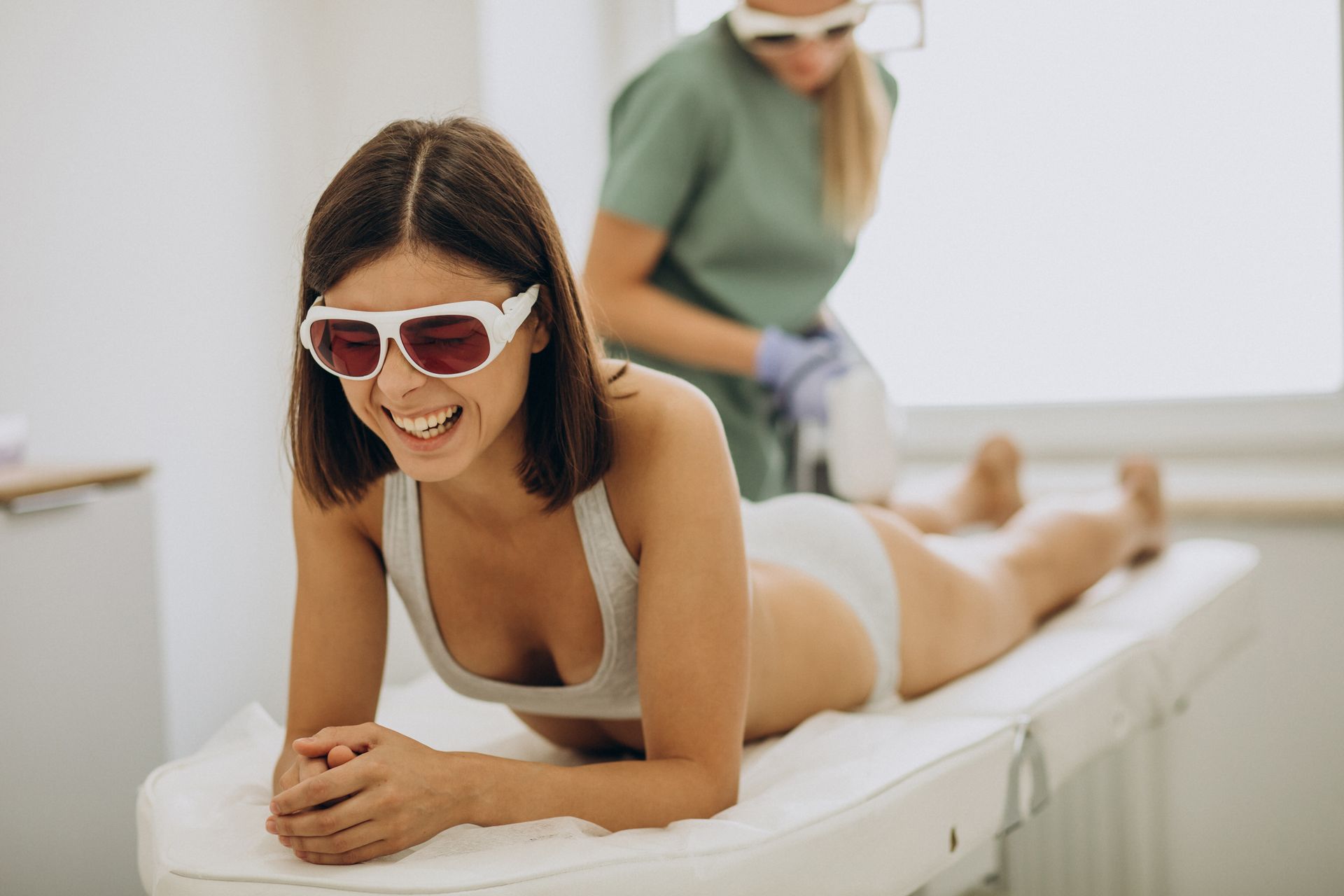
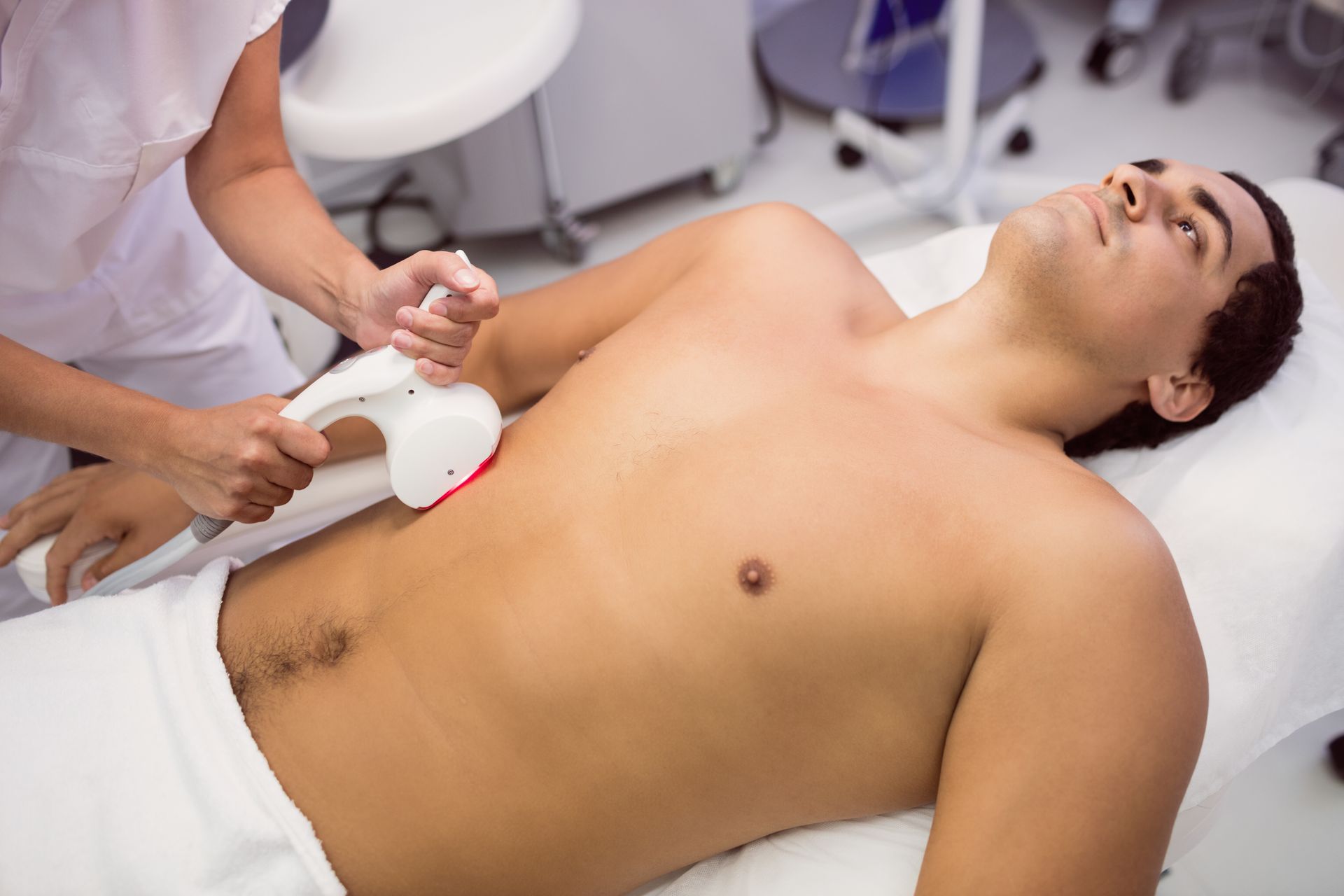
The laser hair removal process begins with a consultation to assess factors like skin type and hair color. After preparation, the handheld laser device is applied to the treatment area, targeting hair follicles with controlled pulses of laser energy. The duration of each session varies based on the treatment area, typically lasting a few minutes to around 20 minutes for smaller areas like the upper lip. Post-treatment, individuals may experience temporary redness or discomfort, with practitioners providing aftercare instructions. Overall, laser hair removal offers a time-efficient and effective solution for reducing or eliminating unwanted hair.
Factors Influencing Treatment Duration
Achieving optimal results with laser hair removal involves considering various factors that can influence the duration and effectiveness of the treatment. Two primary factors that play a crucial role in determining the treatment duration are the individual's hair color and type, as well as their skin tone.
Impact of Hair Color and Type
The effectiveness of laser hair removal is closely tied to the color and type of hair being treated. The laser targets the melanin pigment in the hair follicles, and darker pigments absorb more laser energy. Consequently, individuals with dark hair, such as black or brown, tend to respond more favorably to laser hair removal compared to those with lighter hair colors. Light blonde, red, or grey hairs have less melanin, making them more challenging to treat.
Hair type also influences treatment duration. Coarse, thick hair absorbs more laser energy and tends to respond better to the treatment than fine, thin hair. Therefore, individuals with coarse, dark hair typically require fewer sessions to achieve desired results compared to those with lighter or finer hair.
Role of Skin Tone in the Process
Skin tone is a critical consideration in laser hair removal, as the laser targets the contrast between the pigment in the hair and the surrounding skin. Individuals with a higher contrast between their hair color and skin tone often experience more effective results. Lighter skin tones with dark hair typically respond well to laser hair removal.
Conversely,
individuals with darker skin tones face a greater challenge, as the laser must differentiate between the dark hair and the surrounding dark skin. In such cases, specialized lasers with longer wavelengths may be used to minimize the risk of skin damage. It's essential for individuals with darker skin tones to seek experienced practitioners who can adjust the laser settings appropriately to ensure both safety and efficacy.
Results and Maintenance
Results from laser hair removal are typically noticeable after a few sessions, with a gradual reduction in hair growth. While some individuals may observe initial changes after the first session, optimal results usually become apparent after completing a series of 6-8 sessions. Follow-up sessions may be necessary to maintain these results, with maintenance intervals varying based on individual factors. These sessions help address any regrowth and ensure a prolonged period of hair reduction. Maintenance is generally more sporadic, with some individuals requiring touch-ups every few months, while others may enjoy long-lasting results with less frequent visits. Overall, the anticipated time for visible results and the need for follow-up sessions underscore the importance of commitment and consistency in the laser hair removal process.
Choosing a Professional
Choosing a qualified practitioner and a reputable laser hair removal clinic is paramount for a successful and safe experience. A quick guide involves thorough research on the practitioner's credentials, ensuring they possess the necessary certifications and expertise in laser hair removal. Reading client reviews and testimonials can provide valuable insights into the practitioner's skill and the clinic's reputation for delivering satisfactory results. Huggie Beauty, a professional beauty spa, exemplifies a trusted establishment known for its skilled practitioners and positive client feedback. By investing time in selecting a qualified practitioner and reputable clinic, individuals can enhance their confidence in the laser hair removal process and increase the likelihood of achieving optimal results.
Conclusion
Laser hair removal stands out as a highly effective and time-efficient solution for achieving smooth, hair-free skin. The benefits of precision, long-lasting results, and minimal discomfort make it a popular choice for individuals seeking an alternative to traditional hair removal methods. As we recap the advantages, it's evident that laser hair removal not only reduces unwanted hair but also addresses concerns like ingrown hairs, offering a convenient and aesthetically pleasing outcome. For those contemplating the procedure, the encouragement lies in the transformative potential of laser therapy, providing not just a practical solution to unwanted hair but also a boost in confidence and self-esteem. The choice to embark on this journey towards smoother skin is an investment in both appearance and well-being, promising a more carefree and confident lifestyle.
BOOK YOUR FREE SESSION