Folliculitis After Laser: Causes, Signs & Best Remedies
Laser hair removal is designed to make your skin smoother, clearer, and hair-free. But sometimes, instead of smoothness, you end up with tiny bumps, irritation, or red spots that look like pimples. This can be confusing—especially if you weren’t expecting it.
What you’re experiencing is often
folliculitis, a common and usually temporary reaction after laser treatment.
This article walks you through why it happens, what it looks like, how to treat it, and when it’s worth reaching out to a professional.
Why Some Hair Doesn’t Shed After Laser (And When You Should Worry)
What Exactly Is Folliculitis?
Folliculitis is inflammation of the hair follicles. After laser hair removal, the heat from the laser targets the follicle, weakening it so the hair eventually sheds.
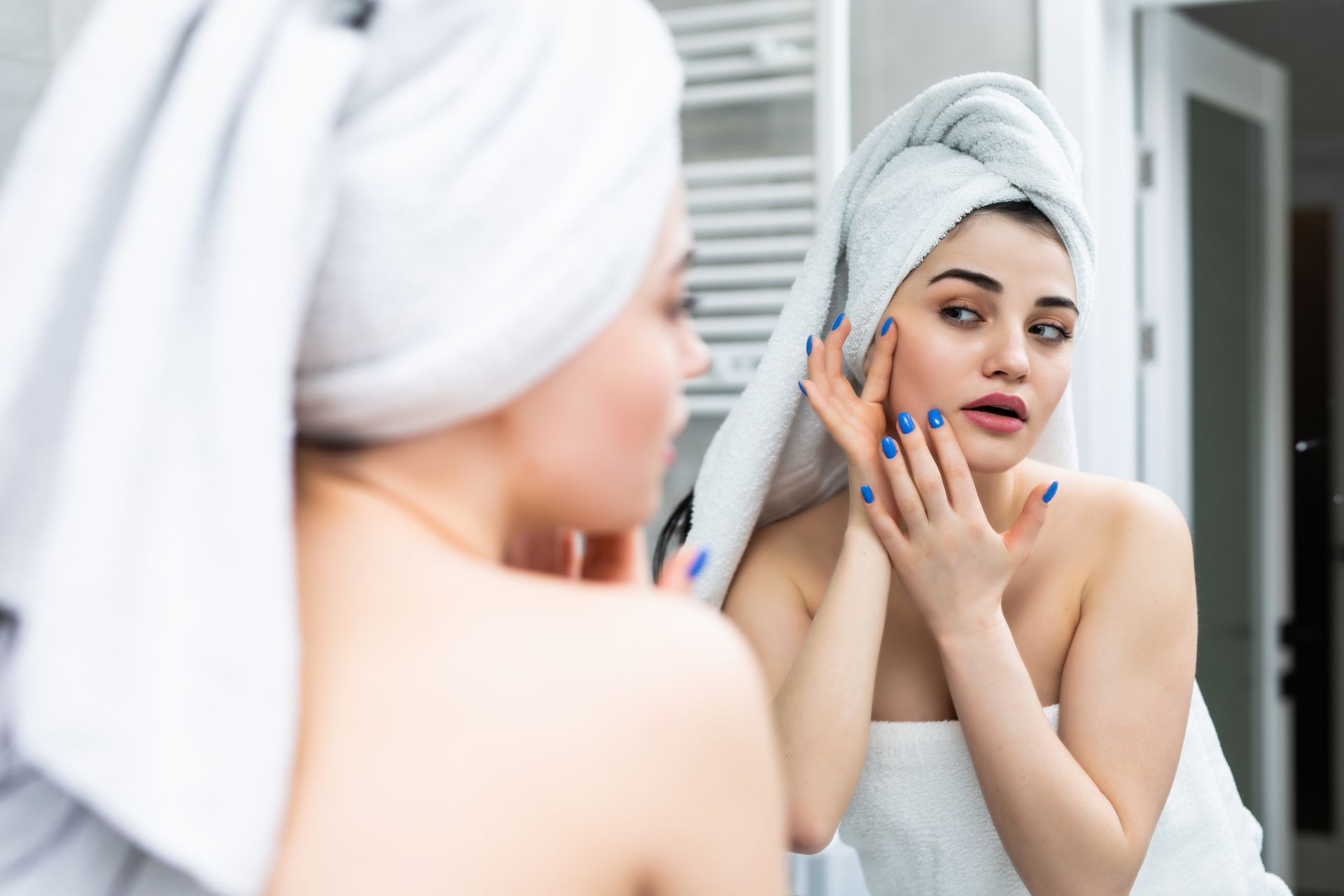
Because the follicle is now damaged and highly reactive, the surrounding skin may become irritated. This irritation can sometimes resemble acne, razor bumps, or insect bites, even though the cause is completely different.
Laser-induced folliculitis is generally mild and settles quickly with proper care.
Why Folliculitis Happens After Laser Hair Removal
The main reason folliculitis develops after laser is that the follicle becomes stressed during treatment. When heat enters the follicle to disable hair growth, it can trigger short-term inflammation. Certain skin types, body areas, and hair growth patterns are more prone to this reaction.
In some people, the heat also loosens hair from the root, causing hair to get trapped temporarily as it tries to shed. This can create bumps that look like breakouts.
If sweat, friction, or bacteria enter the irritated follicle, the inflammation worsens and leads to redness, tenderness, or pus-filled bumps.
Who Is More Likely to Develop Folliculitis?
Anyone can experience it, but some factors increase the risk. People with
dense body hair, especially on the chest, back, thighs, and bikini line, tend to develop more inflammation because many follicles are treated at once.
If your skin is naturally sensitive or reactive, you may notice more irritation after sessions. Folliculitis is also more common if your aftercare routine isn’t consistent—especially if you exercise, sweat heavily, or wear tight clothing soon after treatment.
What Folliculitis Looks and Feels Like
It’s important to know how to identify folliculitis so you don’t confuse it with burns, allergies, or acne.
You may notice:
- Small red or skin-colored bumps
- Mild swelling around the hair follicle
- A warm or sensitive feeling when the area is touched
- Itchiness or a slight “prickling” sensation
- Occasionally, whiteheads or tiny pustules
- Inflamed patches that feel rough or bumpy
The bumps may appear within a few hours or can develop 1–3 days after your session. Most cases remain superficial and clear as the skin calms and the hair begins to shed.
How Laser Targets Hair Follicles Without Damaging Skin
Is Folliculitis Normal After Laser?
Yes—mild folliculitis is considered a
normal, expected response, especially in the early sessions when the hair is still thick and coarse.
As treatments continue and the hair becomes finer, the skin experiences less stress, and folliculitis usually becomes rare or disappears entirely.
Best Remedies to Treat Folliculitis After Laser
Treating folliculitis is simple when you take the right steps. The goal is to calm inflammation, keep the area clean, and prevent bacteria from worsening the bumps.
Cool Compresses
A cool pack or chilled clean cloth reduces swelling and soothes irritation. This is especially helpful within the first 24 hours.
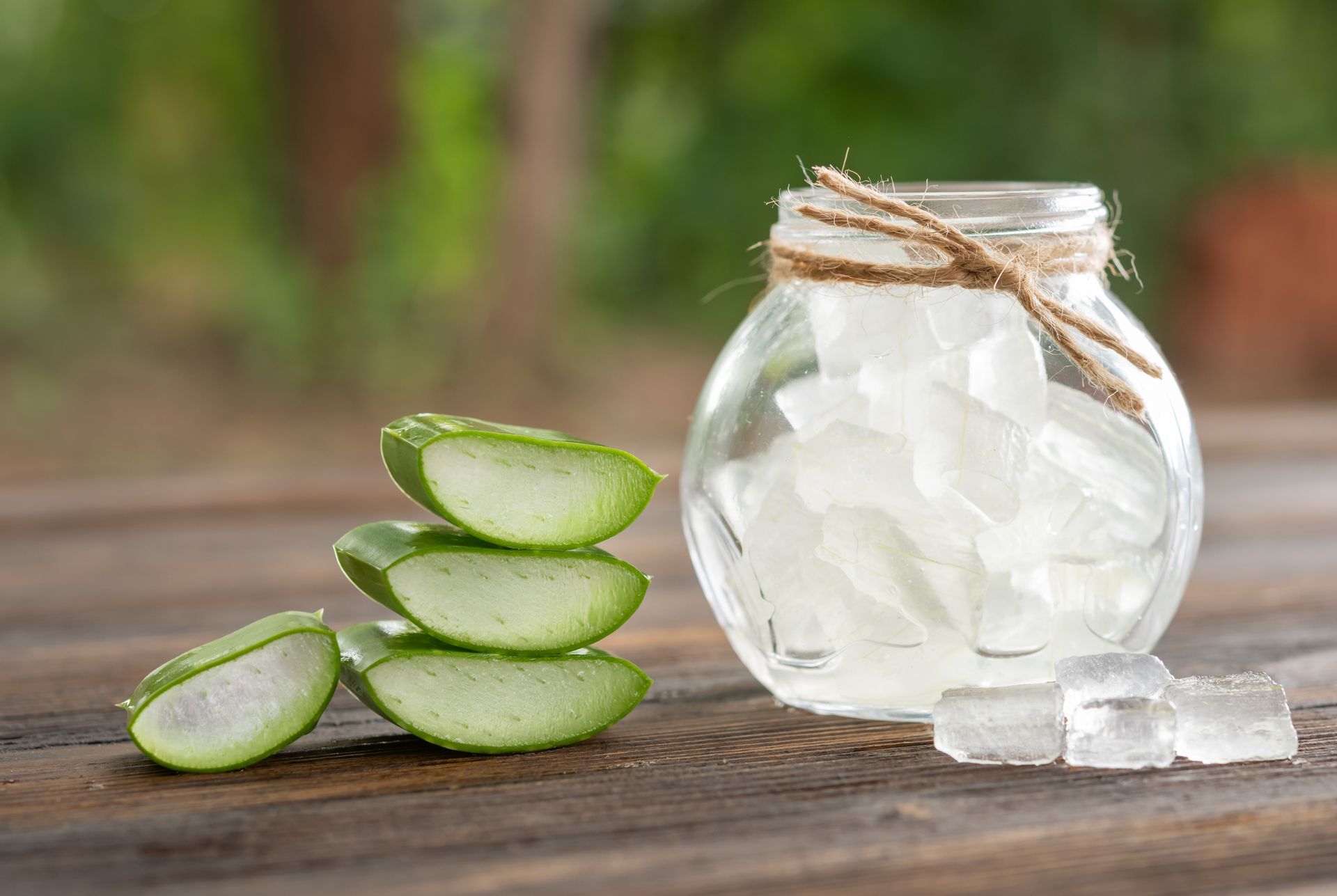
Aloe Vera or Post-Laser Gel
Pure aloe vera is naturally calming and helps settle redness. Most clinics also provide post-laser soothing gels—these work well for quick relief.
Avoid Heat and Sweat
Hot showers, workouts, saunas, and steam rooms open the pores and increase inflammation. Until the bumps settle, keep the area cool and clean.
Switch to Loose Clothing
If the folliculitis is on your bikini line, thighs, or chest, tight fabrics can worsen irritation by rubbing against sensitive skin. Loose cotton is best until the area heals.
Topical Antiseptic Cream
Over-the-counter antibacterial gels help prevent bacterial overgrowth in irritated follicles. This keeps bumps from becoming infected.
Light Exfoliation After 3–5 Days
Once the skin is calmer, gentle exfoliation helps release trapped hairs. Avoid anything harsh—stick to mild chemical exfoliants recommended by your technician.
What You Should Avoid If You Develop Folliculitis
To prevent irritation from worsening, skip the following until your skin returns to normal:
- Picking or squeezing bumps
- Applying thick oils or comedogenic moisturizers
- Hot baths or direct sun exposure
- Makeup over freshly treated facial areas
- Waxing, threading, or plucking between sessions
- Heavy scrubs or abrasive exfoliators
These can aggravate the inflammation and slow healing.
How Long Does It Take for Folliculitis to Heal?
Most cases settle within
3–7 days with proper care.
If your skin is extra sensitive or the area has dense hair (such as the chest or bikini line), healing may take slightly longer.
As you progress through multiple sessions, folliculitis typically becomes less common because the follicles weaken and produce softer, finer hair.
When Should You Contact Your Laser Technician or a Dermatologist?
Folliculitis is usually mild—but certain signs mean you need professional guidance:
- The bumps become painful or spread rapidly
- There is significant swelling or warmth
- You notice pus-filled lesions that don’t improve
- The skin feels tight, burnt, or extremely tender
- Symptoms last longer than a week without improvement
These symptoms may indicate infection or an allergic reaction rather than simple folliculitis.
How to Prevent Folliculitis in Future Sessions
Prevention is easier than correcting inflammation after it starts. Here’s how to reduce your risk before upcoming treatments:
- Shave the night before your session to avoid skin injury.
- Keep the skin clean and free from oils or heavy lotions before your appointment.
- Follow strict aftercare for 48 hours—no workout, steam, heat, or friction.
- Exfoliate regularly between sessions to prevent hair from getting trapped.
- Choose an experienced technician who adjusts settings to your skin and hair type.
Over time, these habits make your sessions smoother and your skin calmer.
Final Thoughts: Folliculitis After Laser Is Common and Manageable
If you’re dealing with bumps after your laser session, don’t panic—folliculitis is one of the most common temporary side effects, and it does not mean the treatment failed.
With proper aftercare, soothing products, and gentle hygiene, the irritation fades quickly and the hair continues its shedding cycle as expected.
Laser hair removal is a long-term process, and occasional folliculitis is simply part of how the skin responds as the hair weakens. What matters most is consistency, communication with your technician, and following the right post-care routine so each session brings you closer to smooth, clear results.
BOOK YOUR FREE SESSION