Is Brazilian Laser Hair Removal Safe for Sensitive Skin and Intimate Areas?
When it comes to hair removal, few treatments promise long-term smoothness quite like Brazilian laser hair removal. But while the idea of ditching razors and wax strips forever might sound tempting, many people—especially those with sensitive skin or concerns about treating intimate areas—hesitate with an important question:
Is it really safe?
Let’s face it—intimate skin is delicate. It’s prone to irritation, inflammation, and reactions that aren’t just uncomfortable but can also feel deeply personal. That’s why understanding the risks, challenges, and expert-guided solutions is essential before committing to this treatment.
In this guide, we’ll explore how Brazilian laser hair removal interacts with sensitive skin and private areas, what the potential side effects are, and most importantly, how professionals at Huggie Beauty ensure your safety every step of the way.
POTENTIAL RISKS OF BRAZILIAN LASER HAIR REMOVAL
Understanding the Treatment: What Is Brazilian Laser Hair Removal?
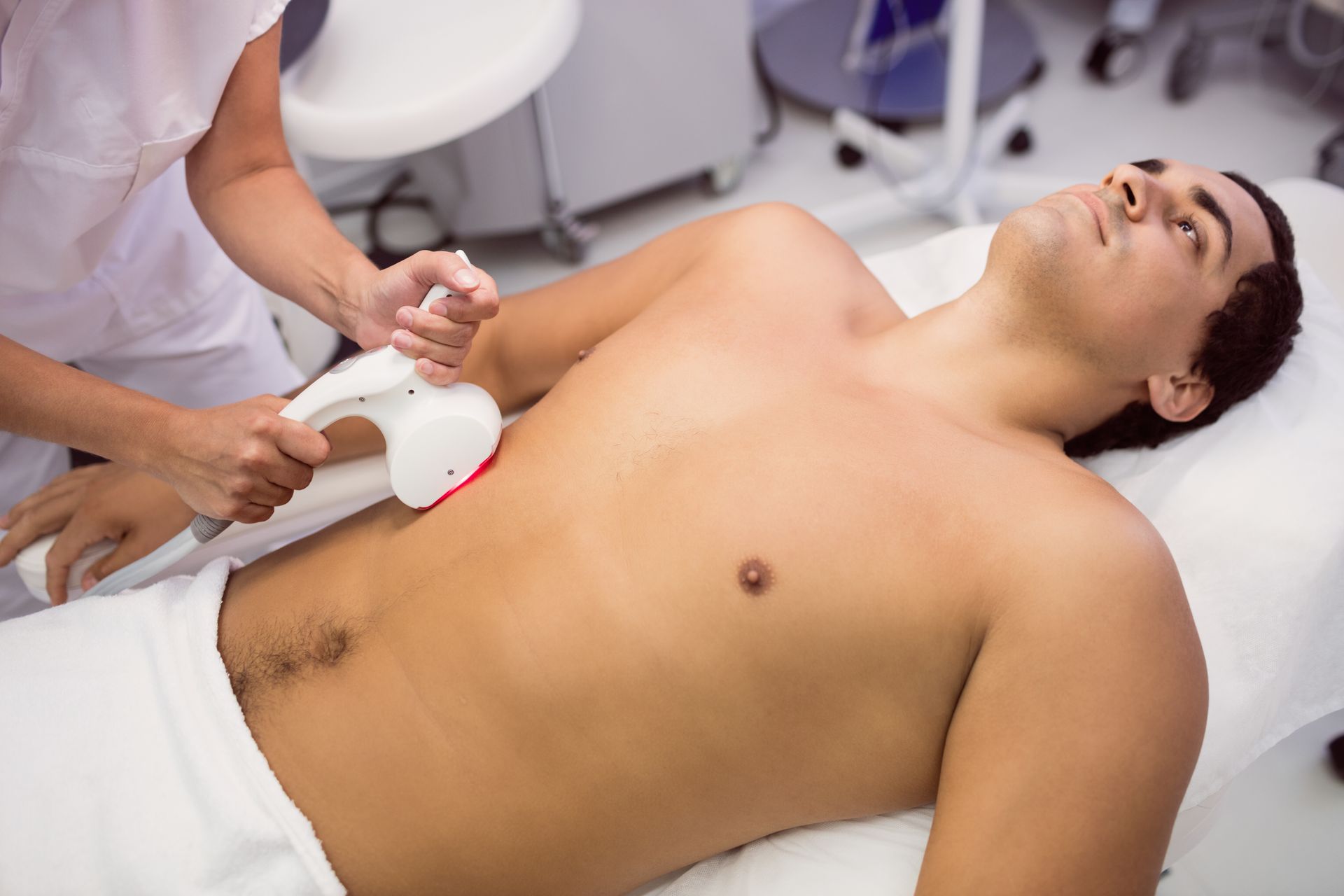
Brazilian laser hair removal targets hair follicles around the bikini line, labia, and perianal areas, using concentrated beams of light. These beams are absorbed by the pigment (melanin) in the hair, which damages the follicle enough to inhibit future growth.
Over several sessions, this process leads to permanent hair reduction. But because of the proximity to sensitive tissues, and the potential for skin reactions, the treatment demands expert technique and equipment to be both effective and safe.
Why Sensitive Skin and Intimate Areas Require Extra Caution
The skin in intimate areas is structurally different from other parts of the body. It’s:
Thinner, making it more susceptible to heat damage
More vascular, meaning reactions like swelling or redness can be stronger
Highly innervated, so discomfort can be more intense
Often more pigmented, which can increase the risk of discoloration from laser heat
For individuals with sensitive skin, even mild friction, products, or temperature changes can trigger itching, redness, or rashes. Combine this with laser treatment, and you can see why extra care is critical.
Potential Risks and Side Effects (and Why They Happen)
It’s important to acknowledge that while laser hair removal is generally safe, risks increase when the treatment is not tailored to your skin type—or performed by someone without proper training. Here are the most common side effects for sensitive and intimate skin:
1. Redness and Swelling
Temporary inflammation is a normal part of the process. However, for sensitive skin, it can linger longer and feel more intense.
2. Burns or Blisters
When the wrong laser type or settings are used—especially on darker or more reactive skin—burns can happen.
3. Hyperpigmentation or Hypopigmentation
These terms refer to skin becoming darker or lighter than your normal tone after treatment. It often happens when heat damages surrounding skin, not just the hair follicle.
4. Ingrown Hairs or Bumps
While laser treatment can actually prevent ingrowns long-term, sensitive skin may temporarily react with bumps or mild folliculitis.
5. Skin Sensitivity or Irritation
Post-treatment tenderness can last longer in sensitive areas, especially if friction or sweating occurs too soon after the session.
Why A Professional Prioritize Your Skin’s Safety
This is where professional experience truly matters. At Huggie Beauty, every Brazilian laser hair removal session is customized based on your skin tone, hair texture, and sensitivity level. Their licensed technicians understand the unique challenges of intimate areas and use medical-grade lasers designed specifically for safe and effective results.
Before any laser even touches your skin, you’ll receive a thorough consultation, skin analysis, and—if needed—a patch test to ensure compatibility and reduce risks.
You’re not just being zapped with a machine—you’re being cared for by trained experts who understand that personal comfort and safety are just as important as results.
Step-by-Step: What to Expect During a Safe Brazilian Laser Session
1. Personalized Skin Assessment
Every skin type reacts differently. The first step at Huggie Beauty is a detailed analysis of your skin’s reaction patterns, sensitivity zones, and any conditions (like eczema or dermatitis) that might affect treatment.
2. Pre-Treatment Prep
You’ll receive guidance on how to prep your skin—this includes shaving the area 24 hours before the session, avoiding sun exposure, and not applying harsh products or exfoliants beforehand.
3. Precision Treatment with Cooling Technology
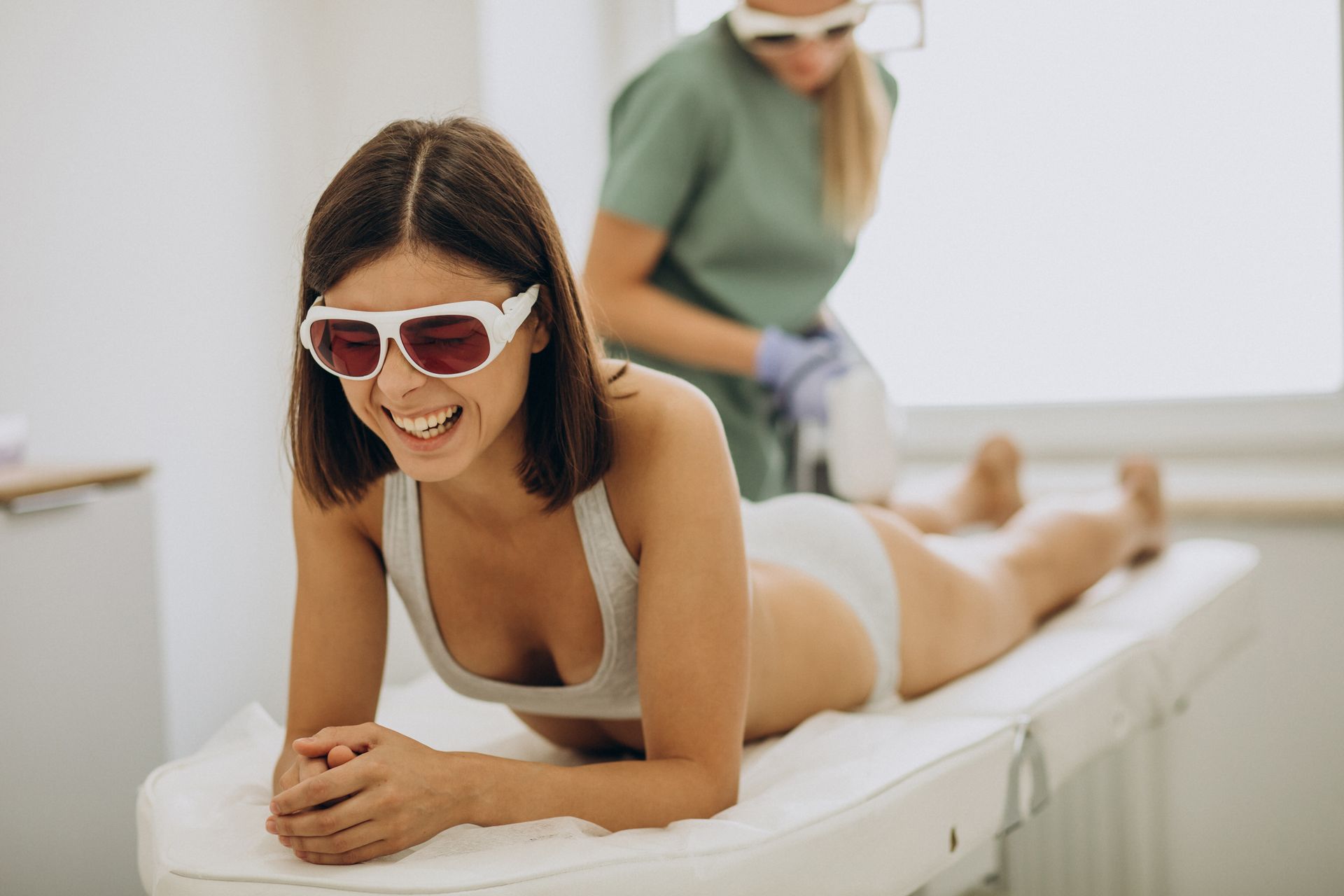
During the procedure, a cooling device or gel is applied to protect the skin surface and reduce heat sensation. The laser is carefully adjusted based on real-time feedback from your skin.
4. Immediate Aftercare Guidance
Right after the session, you’ll get soothing products and strict aftercare instructions. You’ll be advised to avoid workouts, hot baths, tight clothing, or any friction around the area for at least 24–48 hours.
Challenges You Might Face — and How to Navigate Them
Even with the best care, your skin might respond in small ways. Here’s how to manage common post-treatment issues:
Ongoing Tenderness
Use cool compresses and fragrance-free aloe gel. Avoid any activity that causes sweating or friction.
Redness That Doesn’t Fade
Give it a day or two. If it persists, reach out to your technician. Huggie Beauty provides post-treatment check-ins for this very reason.
Unexpected Spots or Pigment Changes
Always inform your technician if you notice any unusual marks or changes. Early intervention can prevent permanent effects.
Remember: communication is key. Your skin is part of the process—listen to it, and trust the professionals guiding you.
How to Protect Your Sensitive Skin Between Sessions
Laser hair removal isn’t a one-and-done process. It requires several sessions over a few months, and how you care for your skin between them can affect the overall outcome.
- Moisturize daily with non-comedogenic, fragrance-free products
- Avoid tanning or direct sun exposure, especially on treated areas
- Stick to loose clothing for a few days after your appointments
- Hydrate—inside and out! Healthy skin responds better to treatment
Following these habits can dramatically reduce sensitivity reactions and improve your results.
So, Is Brazilian Laser Hair Removal Safe for You?
If you have sensitive skin or are worried about treating your intimate areas, you’re not alone. But the answer is yes—Brazilian laser hair removal can be absolutely safe, as long as it’s done correctly.
Choosing a provider like Huggie Beauty, where licensed experts use advanced technology and put your comfort first, is the real game-changer. It’s not about being hair-free overnight. It’s about doing it right, safely, and with full confidence in the hands that treat you.
Conclusion: Safety Isn’t a Luxury—It’s a Standard at Huggie Beauty
When it comes to sensitive skin and private areas, your concerns are valid—and they should never be brushed aside. Brazilian laser hair removal is a personal journey, and the best results come from placing your trust in professionals who treat your skin with respect, knowledge, and care.
With the right guidance, the right tools, and the right people—you can absolutely enjoy a smooth, confident, irritation-free experience.
So if you’re ready to say goodbye to razors and redness, Huggie Beauty is here to help you start that journey the safe way.
BOOK YOUR FREE SESSION