Is Laser Hair Removal Safe For The Face?

Youmna Rehman • May 9, 2025

In recent years, laser hair removal has grown beyond being a trend—it's now a staple in personal grooming. Among the most asked question is: Is laser hair removal safe for the face? With the rise of both male and female clientele opting for clean, smooth facial skin, it's no surprise this topic is gaining traction. Whether it's the upper lip, jawline, chin, or full-face treatment, the demand is rising—and so are the concerns.


Facial skin is delicate, highly visible, and prone to sensitivity, which makes safety a valid concern. But thanks to the latest laser technology and expert care, facial laser hair removal is not only safe but remarkably effective when performed correctly. This guide answers your every question about facial laser hair removal—its safety, process, effectiveness, cost, and more.


How many sessions for brazilian laser hair removal?


Is Facial Laser Hair Removal a Safe Option?

Laser hair removal for the face is considered safe when performed by trained professionals using FDA-approved devices tailored to your skin type. Clinics today are equipped with advanced technology that allows for precise, gentle, and customizable treatments, especially on sensitive facial zones.


That said, not all skin is created equal. The face, particularly around the eyes and mouth, contains thinner, more reactive skin. That’s why the technique, type of laser used, and pre- and post-care play a major role in ensuring both safety and success. Choosing a reputable clinic is not just advisable—it’s essential.


Modern lasers like the diode or Alexandrite are often used for lighter skin, while Nd:YAG lasers are considered safer for darker skin tones due to their deeper penetration and minimal effect on the surrounding epidermis. This level of personalization makes it possible to safely treat all skin types and tones.


Is Laser Hair Removal on the Face Safer Than Waxing or Threading?

When it comes to facial hair removal, safety is a top concern—especially for those with sensitive skin or recurring irritation from traditional methods. Waxing and threading, while common, involve pulling hair from the root, which can cause microtears, inflammation, redness, and even breakouts. In delicate facial areas, these effects can be even more pronounced. Additionally, repeated waxing or threading may lead to skin sagging over time due to constant tugging, particularly around the eyes and mouth.


Laser hair removal, on the other hand, works by targeting the hair follicle with controlled light energy beneath the skin's surface—without damaging the outer layer. This method significantly reduces the risk of surface trauma and long-term irritation. While mild redness may occur immediately after treatment, it's usually short-lived and far less aggressive than the aftermath of waxing or threading. With proper aftercare and professional handling, laser hair removal offers a safer and more skin-friendly alternative, especially for those who prioritize both results and long-term skin health.


Where Can You Get Laser Hair Removal on the Face?

Laser hair removal can be performed on nearly all facial areas where unwanted hair is present. Common zones include:


  • Upper lip: One of the most treated areas, often due to coarse or dark hair growth.
  • Chin and jawline: Popular for both women with hormonal hair growth and men seeking refined beard shaping.
  • Cheeks and sideburns: Ideal for a polished, makeup-ready look or cleaner masculine grooming.
  • Forehead and temples: Particularly helpful for those who want a more sculpted hairline.
  • Neck (front and back): Often included in facial packages, especially for men.


It's important to avoid areas directly surrounding the eyes, such as the eyelids and under-eye zones, due to sensitivity and proximity to ocular structures. Protective eyewear is always used during facial treatments to ensure complete safety.


How Does the Laser Hair Removal Process Work on the Face?

The procedure for facial laser hair removal is similar to that of body treatments, but it is performed with extra precision. It typically begins with a consultation to assess your skin tone, hair type, and treatment goals. Once a plan is customized, the treatment follows a few essential steps:


  1. Preparation: The targeted area is cleansed and shaved if needed. Numbing cream may be applied for sensitive zones.
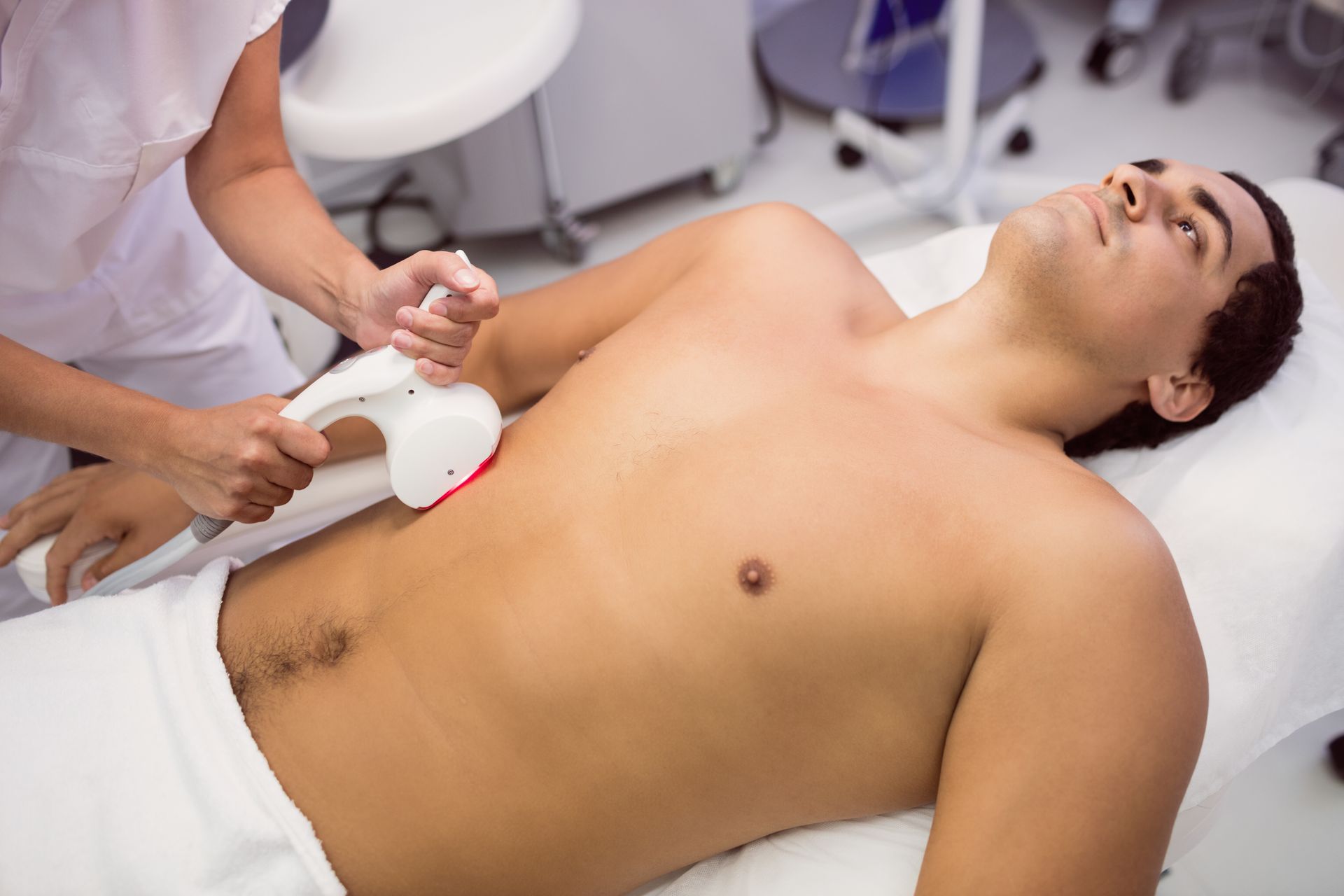
  2. Laser application: A handheld device delivers short pulses of laser light that penetrate the skin and target the melanin in the hair follicles. The energy destroys the follicle, preventing future growth.
  3. Cooling: Most modern lasers include a built-in cooling system or an additional gel to soothe the skin during treatment.
  4. Post-treatment care: The skin may appear slightly red or swollen, but this typically resolves within a few hours to a day. A soothing serum and SPF are applied to protect the treated area.

The entire process is relatively quick—often completed in 15 to 30 minutes depending on the areas covered.


Is Laser Hair Removal on the Face Effective Long-Term?

Facial laser hair removal is highly effective, particularly for individuals with light skin and dark hair. Most people experience a 70% to 90% permanent reduction in hair growth after completing their sessions. While not always “permanent” in the strictest sense, the results are long-lasting, with only occasional touch-ups needed annually.

The facial area responds well due to its dense hair follicles, but results can vary based on hormonal factors. For example, women with polycystic ovary syndrome (PCOS) may require more maintenance sessions.

What’s important to note is that hair grows in cycles, and laser treatments only target follicles in their active growth phase. This is why multiple sessions are necessary.


How Many Sessions Are Needed for Facial Laser Hair Removal?

On average, individuals require 6 to 8 sessions for optimal results on the face. These sessions are spaced 4 to 6 weeks apart to effectively target hair as it moves through growth phases.

Finer areas like the upper lip may respond slightly faster, while the jawline and chin—especially if hormonal—might need extra sessions. After the full course, results are significantly visible, and many people report smoother skin, fewer ingrown hairs, and reduced need for shaving or threading.


Average Cost of Laser Hair Removal on the Face

The cost of facial laser hair removal depends on the area treated, the technology used, and the reputation of the clinic. As of 2025, you can expect the following average prices per session:


  • Upper lip: $50–$100
  • Chin or jawline: $75–$150
  • Full face package: $200–$400


Most clinics offer bundle deals, where purchasing multiple sessions upfront can reduce the per-session cost. Though it may seem like a significant investment, it often proves more economical in the long run compared to regular waxing, threading, or shaving.

Remember, quality and safety should never be compromised for a lower price. Choose certified professionals with strong reviews and modern equipment.


Conclusion: Is Laser Hair Removal Safe for the Face? Absolutely—When Done Right

Facial laser hair removal in 2025 is not only safe but remarkably effective—provided you go to a trained expert who uses the right technology for your skin type. From smoother skin and fewer ingrown hairs to less time spent on shaving or waxing, the benefits speak for themselves.

The key lies in knowing your skin, following a well-structured treatment plan, and being consistent. Whether you’re treating the upper lip, chin, or full face, laser hair removal offers a long-term solution to unwanted facial hair—with visible results and restored confidence.

So, is laser hair removal safe for the face? Yes—and it might just be the best grooming decision you make this year.

BOOK YOUR FREE SESSION

Laser Hair Removal for Bodybuilders: Why It’s a Game-Changer
By Hagar Vaknin December 24, 2025
Laser hair removal is a game-changer for bodybuilders. Learn how it enhances muscle definition, reduces irritation, improves hygiene, and simplifies competition prep long-term.
Beard Line Laser Hair Removal: Shaping Facial Hair the Modern Way
By Hagar Vaknin December 22, 2025
Beard line laser hair removal offers a modern way to shape facial hair with precision. Learn how it works, who it’s for, results timeline, safety, and aftercare tips.
New AI & Cooling Technologies in Laser Hair Removal (2025 Trends)
By Hagar Vaknin December 22, 2025
Explore the latest 2025 trends in laser hair removal, including AI personalization and advanced cooling technologies that make treatments safer, more comfortable, and more effective.
By Hagar Vaknin December 20, 2025
How does pain-free laser hair removal work? Learn the technology behind cooling systems, energy delivery, and why modern lasers reduce discomfort without reducing results.
IPL vs Diode vs Alexandrite vs Nd:YAG – Which Is Best for YOU?
By Hagar Vaknin December 19, 2025
IPL vs Diode vs Alexandrite vs Nd:YAG: Compare laser hair removal technologies to find the right choice for your skin tone, hair type, safety, and results.
By Hagar Vaknin December 18, 2025
Hidradenitis suppurativa (HS) is not just a skin condition—it is a chronic, often painful disease that can deeply affect quality of life. Recurrent boils, abscesses, scarring, and inflammation in areas like the underarms, groin, inner thighs, and buttocks make everyday activities uncomfortable and emotionally exhausting. For many people living with HS, managing hair in these areas becomes an added challenge, as shaving or waxing often worsens flare-ups. This has led to growing interest in laser hair removal as part of HS management. But is it safe? Does it actually help? And what should you realistically expect if you pursue laser hair removal with hidradenitis suppurativa? Understanding how HS develops—and how laser treatment interacts with affected skin—can help you make an informed, confident decision. Laser Hair Removal for Keratosis Pilaris: Does It Help “Chicken Skin”? Understanding Hidradenitis Suppurativa at Its Root Hidradenitis suppurativa is a chronic inflammatory condition that affects hair follicles, not sweat glands as once believed. The condition begins when hair follicles become blocked, inflamed, and eventually rupture beneath the skin. This leads to painful nodules, tunnels under the skin (sinus tracts), scarring, and repeated infections. Because HS originates in the hair follicle, any treatment that reduces follicular activity has the potential to help manage symptoms. This is the scientific basis behind using laser hair removal as a supportive therapy. Why Hair Removal Is So Challenging for HS Patients Traditional hair removal methods are particularly problematic for people with HS. Shaving causes micro-cuts and friction, which can trigger inflammation. Waxing and threading pull hair from the root, further irritating already sensitive follicles and increasing the risk of flare-ups. Even leaving hair untouched can contribute to friction, bacterial buildup, and clogged follicles in areas where skin rubs together. This creates a frustrating cycle where every option seems to worsen symptoms. How Laser Hair Removal Can Help Hidradenitis Suppurativa Laser hair removal works by delivering targeted heat to the hair follicle, damaging its ability to produce hair. Over time, this significantly reduces hair density and follicular activity. For HS, fewer active follicles mean fewer opportunities for blockage and inflammation. By reducing one of the key triggers of the disease, laser hair removal can help decrease the frequency and severity of flare-ups in some patients. It is important to note that laser hair removal is not a cure for hidradenitis suppurativa. However, it is increasingly recognized as a supportive treatment that may improve symptom control and quality of life.  What the Research Suggests Clinical studies and dermatological experience suggest that laser hair removal—particularly with certain laser types—can lead to fewer lesions, reduced inflammation, and longer periods between flares for people with mild to moderate HS. Results tend to be more noticeable when treatment is started early, before extensive scarring and sinus tracts develop. Advanced HS may still benefit, but expectations must be carefully managed. Who Is a Good Candidate for Laser Hair Removal With HS Laser hair removal is generally considered most suitable for individuals with mild to moderate hidradenitis suppurativa who experience recurring lesions in hair-bearing areas. Candidates should have relatively stable skin without widespread active infection at the time of treatment. Areas with open wounds, draining lesions, or severe inflammation are typically avoided until the skin has calmed. Skin tone, hair color, and overall disease activity all influence whether laser treatment is appropriate, which is why professional evaluation is essential. What to Expect Before Treatment Begins A thorough consultation is critical. The provider will assess the stage of HS, current flare activity, scarring, medications, and overall skin sensitivity. Coordination with a dermatologist is often recommended, especially for patients on systemic treatments. Patch testing may be performed to evaluate how your skin responds to laser energy. Treatment plans are usually conservative, with lower energy settings and longer intervals between sessions. What Happens During Laser Sessions Laser sessions for HS are typically shorter than standard hair removal treatments because affected areas are treated cautiously. Cooling systems are used to protect the skin and minimize discomfort. You may feel warmth or snapping sensations, but pain levels vary depending on inflammation, scarring, and nerve sensitivity in the area. Providers avoid treating active lesions directly and focus on surrounding hair-bearing skin. Recovery and Aftercare Expectations After treatment, mild redness or warmth is common and usually resolves within hours to a day. For HS-prone skin, aftercare is especially important to prevent irritation. Keeping the area cool, dry, and friction-free supports healing. Gentle cleansing and fragrance-free moisturizers help protect the skin barrier. Heat exposure, intense exercise, and tight clothing are typically avoided for a short period after treatment. Any signs of increased pain, swelling, or new lesions should be reported promptly. How Many Sessions Are Needed for HS? Laser hair removal for hidradenitis suppurativa is a gradual process. Multiple sessions are required to reduce hair growth and follicular activity meaningfully. Most patients need a full series of treatments spaced several weeks apart, with maintenance sessions as needed. Improvements in flare frequency may be noticed after several sessions rather than immediately. Consistency and patience are key, as HS responds slowly to changes in follicular behavior. Laser Hair Removal for Eczema or Psoriasis-Prone Skin: Safety Guidelines Can Laser Hair Removal Trigger HS Flare-Ups? When performed carefully, laser hair removal generally does not worsen HS. However, if treatment is too aggressive or performed during active disease, it can potentially trigger inflammation. This is why conservative settings, proper timing, and experienced providers are essential. A skin-first approach prioritizes long-term stability over rapid hair reduction. How Laser Fits Into a Broader HS Management Plan Laser hair removal works best as part of a comprehensive HS management strategy. It may complement medical treatments such as topical therapies, oral medications, or biologics rather than replace them. Reducing hair growth can decrease friction and follicular blockage, making other treatments more effective and improving overall comfort. When Laser Hair Removal May Not Be Appropriate Individuals with severe, widespread HS involving extensive scarring and active infections may not be suitable candidates for laser hair removal. In such cases, medical or surgical management may take priority. A responsible provider will advise against treatment if the risks outweigh the potential benefits. Final Thoughts: What to Expect From Laser Hair Removal for HS Laser hair removal can be a valuable supportive option for people living with hidradenitis suppurativa, particularly when follicular blockage plays a significant role in flares. While it is not a cure, it can help reduce hair density, inflammation triggers, and the frequency of painful lesions over time. Success depends on realistic expectations, careful timing, and professional oversight. When approached thoughtfully and as part of a broader care plan, laser hair removal can offer meaningful relief and improved quality of life for some individuals with HS.
Laser Hair Removal for Eczema or Psoriasis-Prone Skin: Safety Guidelines
By Hagar Vaknin December 17, 2025
Is laser hair removal safe for eczema or psoriasis-prone skin? Learn expert safety guidelines, risks, timing tips, and aftercare to protect sensitive skin during treatment.
Hypopigmentation vs Hyperpigmentation: What Laser Patients Should Know
By Hagar Vaknin December 17, 2025
Hypopigmentation vs hyperpigmentation after laser treatments explained. Learn causes, risks, prevention, and what laser patients should know to protect skin tone safely.
Can Laser Hair Removal Help Ingrown Hair Scarring Long-Term?
By Hagar Vaknin December 17, 2025
Can laser hair removal reduce ingrown hair scarring long-term? Learn how it prevents ingrowns, improves dark marks, what results to expect, and when extra treatments may help.
Dealing With Thick Regrowth After Laser: Normal or Not?
By Hagar Vaknin December 14, 2025
Noticing thick regrowth after laser hair removal? Learn why it happens, when it’s normal, signs to watch for, and how expert-guided treatments help restore smooth, long-term results.
More Posts