Trends in 2025: Why Laser Hair Removal Is More Popular Than Ever

Hagar Vaknin • October 30, 2025

Laser hair removal isn't just a beauty treatment—it’s become a mainstream self-care essential. In 2025, several key trends are making laser hair removal more accessible, more effective, and more widely embraced than ever before. Let’s explore why this is happening.


At-Home Laser Devices vs. Professional Clinics: Do They Work the Same?


1. The Market Is Exploding

According to market research, the global laser hair removal market is projected to expand dramatically. One report estimates the market will grow from around $1 billion in 2023 to $7.7 billion by 2035, with a compound annual growth rate (CAGR) of about 18.3%.
What this tells us is that more people are choosing laser over traditional methods (shaving, waxing, threading) because of its long-term benefits and improved technology.


2. Better Technology, Better Experience

Technological innovation in 2025 is a major driver of popularity. Laser devices are smarter, faster, and more comfortable. For example:

  • Multi-wavelength systems (like combining Alexandrite, Diode, Nd:YAG) allow treatments for a wider range of skin tones and hair types.
  • Enhanced cooling mechanisms reduce discomfort during treatment, which lowers a major barrier for many consumers.
  • Integration of AI and personalization: Some newer devices and clinic protocols adjust in real‐time to skin type and hair density.
    These enhancements mean treatments are safer, more inclusive, and more appealing to users who once thought laser wasn’t for them.


3. The Gender Gap Is Narrowing

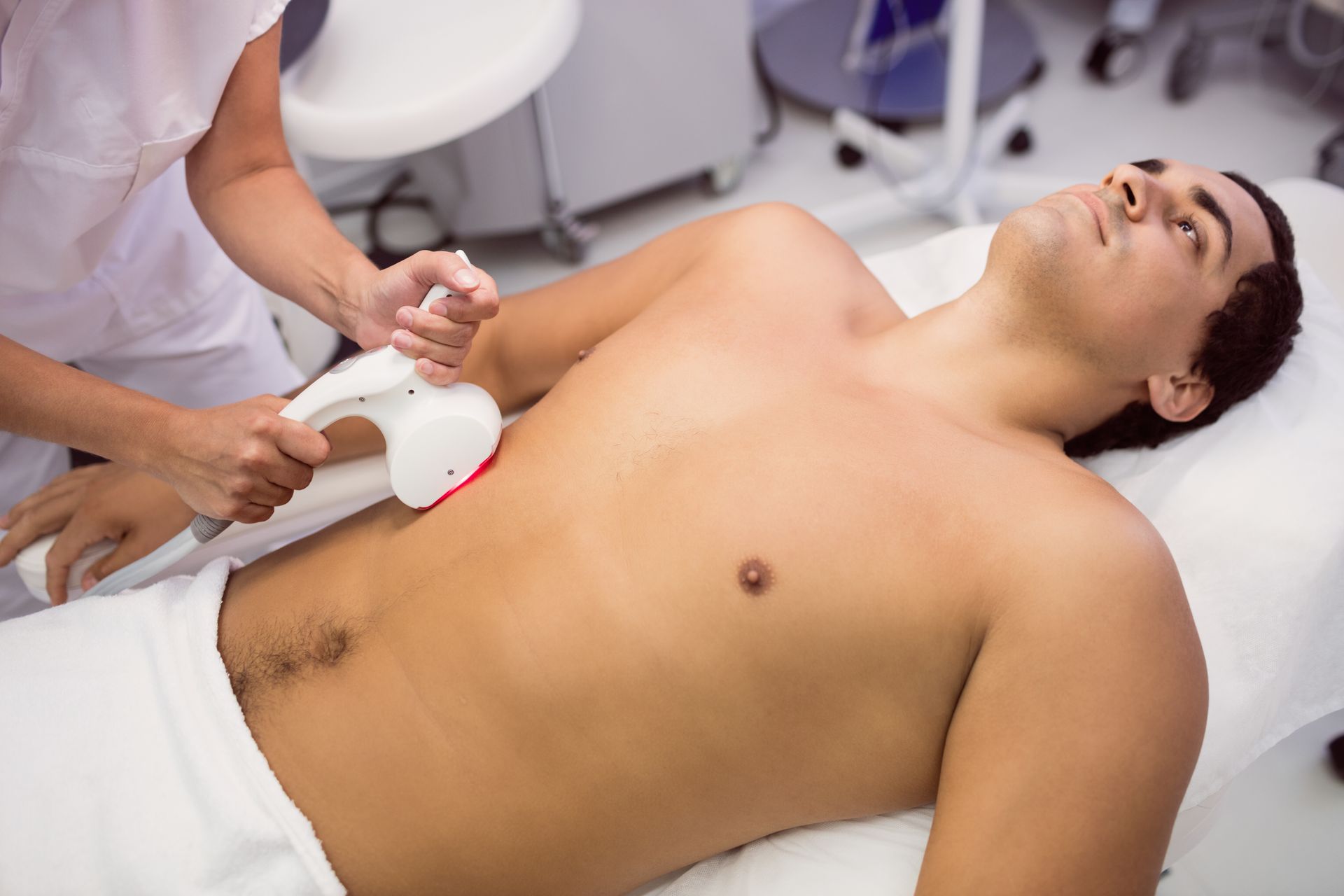
Historically, laser hair removal was marketed mostly to women. In 2025, the dynamics are shifting. More men—and non-binary individuals—are seeking laser treatments for body and facial hair. Areas like chest, back, and beard lines are growing in demand.
This broader demographic means clinics are adapting marketing and services to be more inclusive, which fuels overall growth.


4. Year-Round and Full-Body Treatments Are Trending

Gone are the days when hair removal was a “summer thing”. 2025’s trend is for year-round smoothness. More people are booking full-body laser treatments or multiple zones in one package rather than just seasonal touch-ups.
This shift reflects changes in lifestyle: busy schedules, emphasis on self-care, and the desire to invest in longer‐lasting solutions rather than quick fixes.


5. Subscriptions and Membership Models

Another emerging trend is clinic business model innovation. Instead of one-off payments or pay-per-session, many laser hair removal providers are offering subscription models—monthly memberships, packages that bundle laser with other aesthetic services, loyalty programmes.
This approach makes treatments more affordable over time and fits into the trend of “beauty as lifestyle” rather than occasional splurge.


6. Accessibility and Inclusivity Expand

Because laser technology has improved and the devices have become more efficient, more skin types (including darker skin tones) and hair types (coarser, denser hair) are being treated safely. This inclusivity opens the market to previously underserved groups.
Also, the increased availability of at-home devices (though different in power and outcome) adds to the visibility and acceptance of the category overall.


7. Influencer Culture & Consumer Awareness

Today’s beauty consumers do their research, watch reviews, and seek transparency. Laser hair removal results—before and after photos, detailed treatment journeys—are widely shared on social media. That visibility helps demystify the procedure and builds confidence in people considering it.
For example, on Reddit:

“I started it 4 months back ... I noticed a 90–95% reduction … you have to do it every month for 7-8 sessions.”
These real-world experiences, good and bad, feed into the trend of informed decision-making.

8. Shift From Maintenance to Investment

Many consumers now view laser hair removal not as a recurring hassle but as a long-term investment in skin and self-care. Instead of shaving weekly, waxing monthly, or tolerating ingrown hairs and irritation, they’re choosing a more permanent solution.
The improved technology, broader treatment suitability, and flexible payment options all support this mindset shift.


What to do if laser hair removal burned your skin slightly?


9. Body Positivity, Self-Care and Wellness Integration

Laser hair removal is increasingly framed within the broader wellness/self-care narrative. It’s not just about “getting rid of hair” — it’s about comfort, confidence, time saved, and skin health (fewer ingrown hairs, less irritation).
As self-care becomes less about guilt and more about positive routines, treatments like laser fit neatly into people’s lifestyle choices.


10. Global Expansion & Emerging Markets

Beyond established markets in North America and Europe, laser hair removal is gaining traction in Asia-Pacific, Latin America and other regions. Rising disposable incomes, urbanisation, and beauty culture growth are driving demand.
Clinics in diverse markets are investing in advanced equipment and marketing to meet this rising demand.


Understanding the Implications for Clients

For someone considering laser hair removal in 2025, here’s what these trends suggest:

  • More options: You’ll likely encounter clinics offering advanced tech, flexible payment plans, inclusive treatment for various skin/hair types.
  • Better comfort and outcomes: The newer systems reduce pain, speed up treatment, and offer better safety for more skin tones.
  • More competition = better deals: With market growth, clinics may offer promotional packages or subscription models to stand out.
  • Research still matters: Even with all the positive trends, results depend on clinic quality, technician skill, skin/ hair type, and realistic expectations.
  • Short vs long term: It still takes multiple sessions, and maintenance remains necessary — but overall you’re making an investment rather than just booking more waxing.


Final Thoughts

In 2025, laser hair removal is more than a trend—it’s a well-established, evolving part of modern grooming and self-care. Driven by technology, inclusivity, new business models, and changing consumer attitudes, it’s no surprise the industry is booming.

If you’re thinking about laser hair removal, now is a great time. Thanks to the improvements and market momentum, you can expect better access, better comfort, and better support than ever before. And ultimately: fewer razors, fewer ingrown hairs, more freedom.

BOOK YOUR FREE SESSION

Laser Hair Removal for Bodybuilders: Why It’s a Game-Changer
By Hagar Vaknin December 24, 2025
Laser hair removal is a game-changer for bodybuilders. Learn how it enhances muscle definition, reduces irritation, improves hygiene, and simplifies competition prep long-term.
Beard Line Laser Hair Removal: Shaping Facial Hair the Modern Way
By Hagar Vaknin December 22, 2025
Beard line laser hair removal offers a modern way to shape facial hair with precision. Learn how it works, who it’s for, results timeline, safety, and aftercare tips.
New AI & Cooling Technologies in Laser Hair Removal (2025 Trends)
By Hagar Vaknin December 22, 2025
Explore the latest 2025 trends in laser hair removal, including AI personalization and advanced cooling technologies that make treatments safer, more comfortable, and more effective.
By Hagar Vaknin December 20, 2025
How does pain-free laser hair removal work? Learn the technology behind cooling systems, energy delivery, and why modern lasers reduce discomfort without reducing results.
IPL vs Diode vs Alexandrite vs Nd:YAG – Which Is Best for YOU?
By Hagar Vaknin December 19, 2025
IPL vs Diode vs Alexandrite vs Nd:YAG: Compare laser hair removal technologies to find the right choice for your skin tone, hair type, safety, and results.
By Hagar Vaknin December 18, 2025
Hidradenitis suppurativa (HS) is not just a skin condition—it is a chronic, often painful disease that can deeply affect quality of life. Recurrent boils, abscesses, scarring, and inflammation in areas like the underarms, groin, inner thighs, and buttocks make everyday activities uncomfortable and emotionally exhausting. For many people living with HS, managing hair in these areas becomes an added challenge, as shaving or waxing often worsens flare-ups. This has led to growing interest in laser hair removal as part of HS management. But is it safe? Does it actually help? And what should you realistically expect if you pursue laser hair removal with hidradenitis suppurativa? Understanding how HS develops—and how laser treatment interacts with affected skin—can help you make an informed, confident decision. Laser Hair Removal for Keratosis Pilaris: Does It Help “Chicken Skin”? Understanding Hidradenitis Suppurativa at Its Root Hidradenitis suppurativa is a chronic inflammatory condition that affects hair follicles, not sweat glands as once believed. The condition begins when hair follicles become blocked, inflamed, and eventually rupture beneath the skin. This leads to painful nodules, tunnels under the skin (sinus tracts), scarring, and repeated infections. Because HS originates in the hair follicle, any treatment that reduces follicular activity has the potential to help manage symptoms. This is the scientific basis behind using laser hair removal as a supportive therapy. Why Hair Removal Is So Challenging for HS Patients Traditional hair removal methods are particularly problematic for people with HS. Shaving causes micro-cuts and friction, which can trigger inflammation. Waxing and threading pull hair from the root, further irritating already sensitive follicles and increasing the risk of flare-ups. Even leaving hair untouched can contribute to friction, bacterial buildup, and clogged follicles in areas where skin rubs together. This creates a frustrating cycle where every option seems to worsen symptoms. How Laser Hair Removal Can Help Hidradenitis Suppurativa Laser hair removal works by delivering targeted heat to the hair follicle, damaging its ability to produce hair. Over time, this significantly reduces hair density and follicular activity. For HS, fewer active follicles mean fewer opportunities for blockage and inflammation. By reducing one of the key triggers of the disease, laser hair removal can help decrease the frequency and severity of flare-ups in some patients. It is important to note that laser hair removal is not a cure for hidradenitis suppurativa. However, it is increasingly recognized as a supportive treatment that may improve symptom control and quality of life.  What the Research Suggests Clinical studies and dermatological experience suggest that laser hair removal—particularly with certain laser types—can lead to fewer lesions, reduced inflammation, and longer periods between flares for people with mild to moderate HS. Results tend to be more noticeable when treatment is started early, before extensive scarring and sinus tracts develop. Advanced HS may still benefit, but expectations must be carefully managed. Who Is a Good Candidate for Laser Hair Removal With HS Laser hair removal is generally considered most suitable for individuals with mild to moderate hidradenitis suppurativa who experience recurring lesions in hair-bearing areas. Candidates should have relatively stable skin without widespread active infection at the time of treatment. Areas with open wounds, draining lesions, or severe inflammation are typically avoided until the skin has calmed. Skin tone, hair color, and overall disease activity all influence whether laser treatment is appropriate, which is why professional evaluation is essential. What to Expect Before Treatment Begins A thorough consultation is critical. The provider will assess the stage of HS, current flare activity, scarring, medications, and overall skin sensitivity. Coordination with a dermatologist is often recommended, especially for patients on systemic treatments. Patch testing may be performed to evaluate how your skin responds to laser energy. Treatment plans are usually conservative, with lower energy settings and longer intervals between sessions. What Happens During Laser Sessions Laser sessions for HS are typically shorter than standard hair removal treatments because affected areas are treated cautiously. Cooling systems are used to protect the skin and minimize discomfort. You may feel warmth or snapping sensations, but pain levels vary depending on inflammation, scarring, and nerve sensitivity in the area. Providers avoid treating active lesions directly and focus on surrounding hair-bearing skin. Recovery and Aftercare Expectations After treatment, mild redness or warmth is common and usually resolves within hours to a day. For HS-prone skin, aftercare is especially important to prevent irritation. Keeping the area cool, dry, and friction-free supports healing. Gentle cleansing and fragrance-free moisturizers help protect the skin barrier. Heat exposure, intense exercise, and tight clothing are typically avoided for a short period after treatment. Any signs of increased pain, swelling, or new lesions should be reported promptly. How Many Sessions Are Needed for HS? Laser hair removal for hidradenitis suppurativa is a gradual process. Multiple sessions are required to reduce hair growth and follicular activity meaningfully. Most patients need a full series of treatments spaced several weeks apart, with maintenance sessions as needed. Improvements in flare frequency may be noticed after several sessions rather than immediately. Consistency and patience are key, as HS responds slowly to changes in follicular behavior. Laser Hair Removal for Eczema or Psoriasis-Prone Skin: Safety Guidelines Can Laser Hair Removal Trigger HS Flare-Ups? When performed carefully, laser hair removal generally does not worsen HS. However, if treatment is too aggressive or performed during active disease, it can potentially trigger inflammation. This is why conservative settings, proper timing, and experienced providers are essential. A skin-first approach prioritizes long-term stability over rapid hair reduction. How Laser Fits Into a Broader HS Management Plan Laser hair removal works best as part of a comprehensive HS management strategy. It may complement medical treatments such as topical therapies, oral medications, or biologics rather than replace them. Reducing hair growth can decrease friction and follicular blockage, making other treatments more effective and improving overall comfort. When Laser Hair Removal May Not Be Appropriate Individuals with severe, widespread HS involving extensive scarring and active infections may not be suitable candidates for laser hair removal. In such cases, medical or surgical management may take priority. A responsible provider will advise against treatment if the risks outweigh the potential benefits. Final Thoughts: What to Expect From Laser Hair Removal for HS Laser hair removal can be a valuable supportive option for people living with hidradenitis suppurativa, particularly when follicular blockage plays a significant role in flares. While it is not a cure, it can help reduce hair density, inflammation triggers, and the frequency of painful lesions over time. Success depends on realistic expectations, careful timing, and professional oversight. When approached thoughtfully and as part of a broader care plan, laser hair removal can offer meaningful relief and improved quality of life for some individuals with HS.
Laser Hair Removal for Eczema or Psoriasis-Prone Skin: Safety Guidelines
By Hagar Vaknin December 17, 2025
Is laser hair removal safe for eczema or psoriasis-prone skin? Learn expert safety guidelines, risks, timing tips, and aftercare to protect sensitive skin during treatment.
Hypopigmentation vs Hyperpigmentation: What Laser Patients Should Know
By Hagar Vaknin December 17, 2025
Hypopigmentation vs hyperpigmentation after laser treatments explained. Learn causes, risks, prevention, and what laser patients should know to protect skin tone safely.
Can Laser Hair Removal Help Ingrown Hair Scarring Long-Term?
By Hagar Vaknin December 17, 2025
Can laser hair removal reduce ingrown hair scarring long-term? Learn how it prevents ingrowns, improves dark marks, what results to expect, and when extra treatments may help.
Dealing With Thick Regrowth After Laser: Normal or Not?
By Hagar Vaknin December 14, 2025
Noticing thick regrowth after laser hair removal? Learn why it happens, when it’s normal, signs to watch for, and how expert-guided treatments help restore smooth, long-term results.
More Posts