Why Does My Skin Feel Rough After Laser Hair Removal?

Hagar Vaknin • October 21, 2025

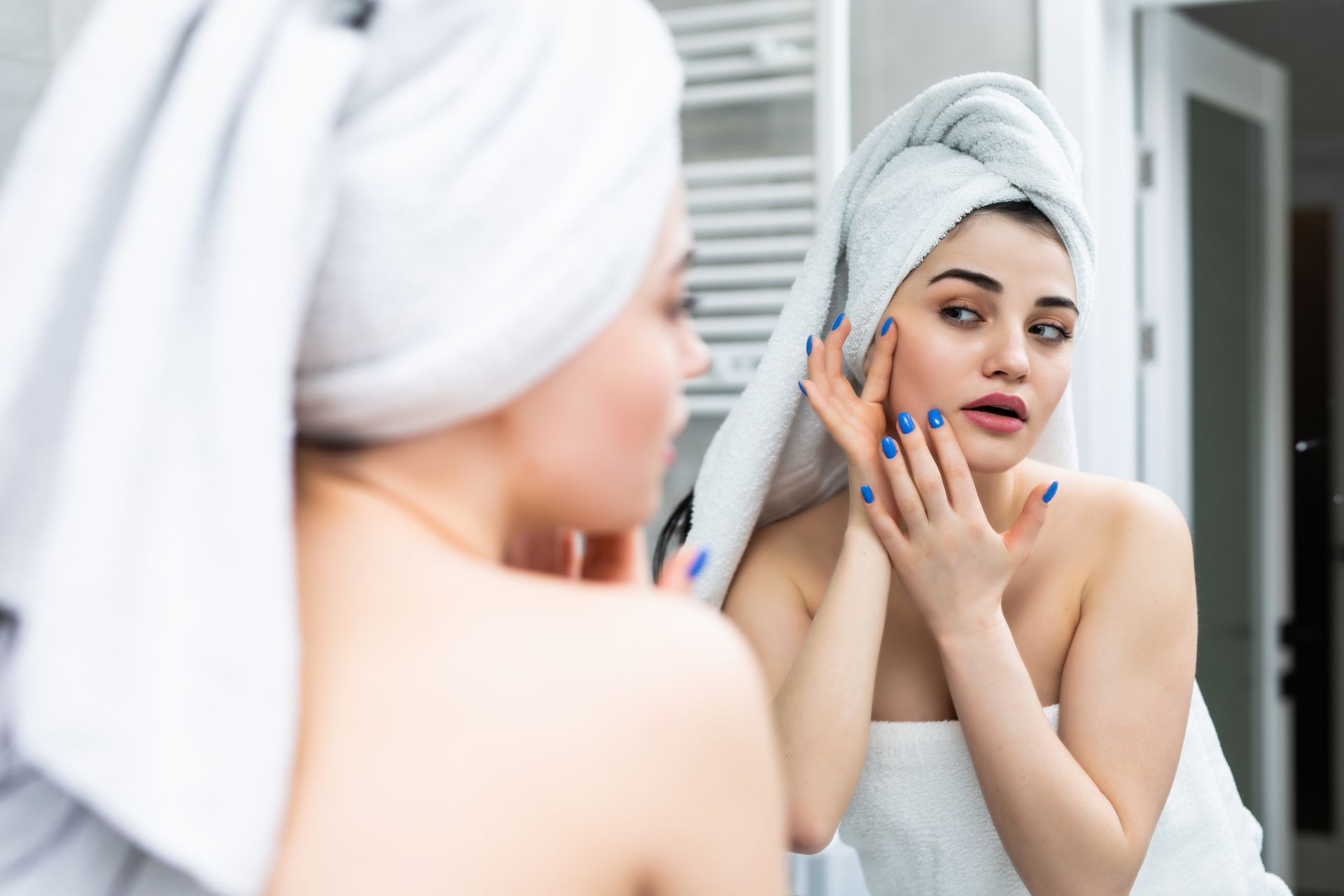
Laser hair removal promises smooth, hair-free skin — but sometimes, instead of instant silkiness, you’re left wondering: why does my skin feel rough after laser hair removal? Don’t worry — this is a common, temporary reaction. Understanding why it happens (and how to handle it) will help you heal faster and get the best results from your sessions.


Moisturizers and Serums: What’s Safe After Laser Hair Removal?


Understanding What Laser Hair Removal Does to Your Skin


Laser hair removal works by targeting the melanin (pigment) in your hair follicles with concentrated light energy. That light turns into heat, damaging the follicle and slowing or stopping future hair growth.


But during this process, the surrounding skin also absorbs a small amount of that heat — especially if you have sensitive skin or recently shaved the area. This can leave the skin feeling slightly coarse, bumpy, or sandpaper-like for a few days.


In simple terms: your skin just underwent controlled micro-thermal stress. It’s healing and recalibrating, which can make it feel rough to the touch temporarily.


Common Reasons for Rough Skin After Laser Hair Removal


There are a few key reasons your skin might not feel smooth right after treatment — and most are perfectly normal.


1. Dead Hair Shedding (The “Stubble” Phase)


About a week after your laser session, the treated hairs start to push out of the follicle — a process known as shedding. These dead hairs haven’t regrown; they’re just working their way out of your skin.

As they do, the area may feel gritty or bumpy, almost like fine sandpaper. It’s one of the most misunderstood stages of laser treatment, but it’s actually a sign that the laser worked!


2. Temporary Dryness or Dehydration


Laser treatment slightly dehydrates your skin by removing moisture and affecting the skin barrier. This can make your skin feel rough, tight, or flaky in the days following treatment — especially if you’re not moisturizing enough or if you use hot showers.


3. Mild Inflammation or Micro-Bumps (Follicular Edema)


Tiny bumps after laser are extremely common. They occur when heat causes temporary swelling in the follicles. This condition, called follicular edema, looks like goosebumps and can make your skin feel uneven or raised.

The good news: it usually resolves within 24–48 hours with proper aftercare.


4. Improper Aftercare or Harsh Products


Using fragranced lotions, exfoliating scrubs, retinoids, or alcohol-based toners too soon after treatment can irritate your already-sensitive skin. This irritation can prolong roughness, redness, and flaking.


5. Heat and Sweat Buildup


If you work out or expose your treated skin to heat (sun, saunas, tight clothing) too soon, sweat and friction can clog pores — leading to a rough, bumpy texture that mimics razor burn.


How to Soothe and Smooth Rough Skin After Laser Hair Removal


The roughness you’re feeling is part of the healing process — but there’s a lot you can do to help your skin recover faster and feel soft again.


1. Keep the Area Cool and Calm


For the first 24 hours, avoid anything that raises your body temperature — like workouts, hot showers, or saunas. Use a cool compress or aloe vera gel to reduce warmth and swelling.


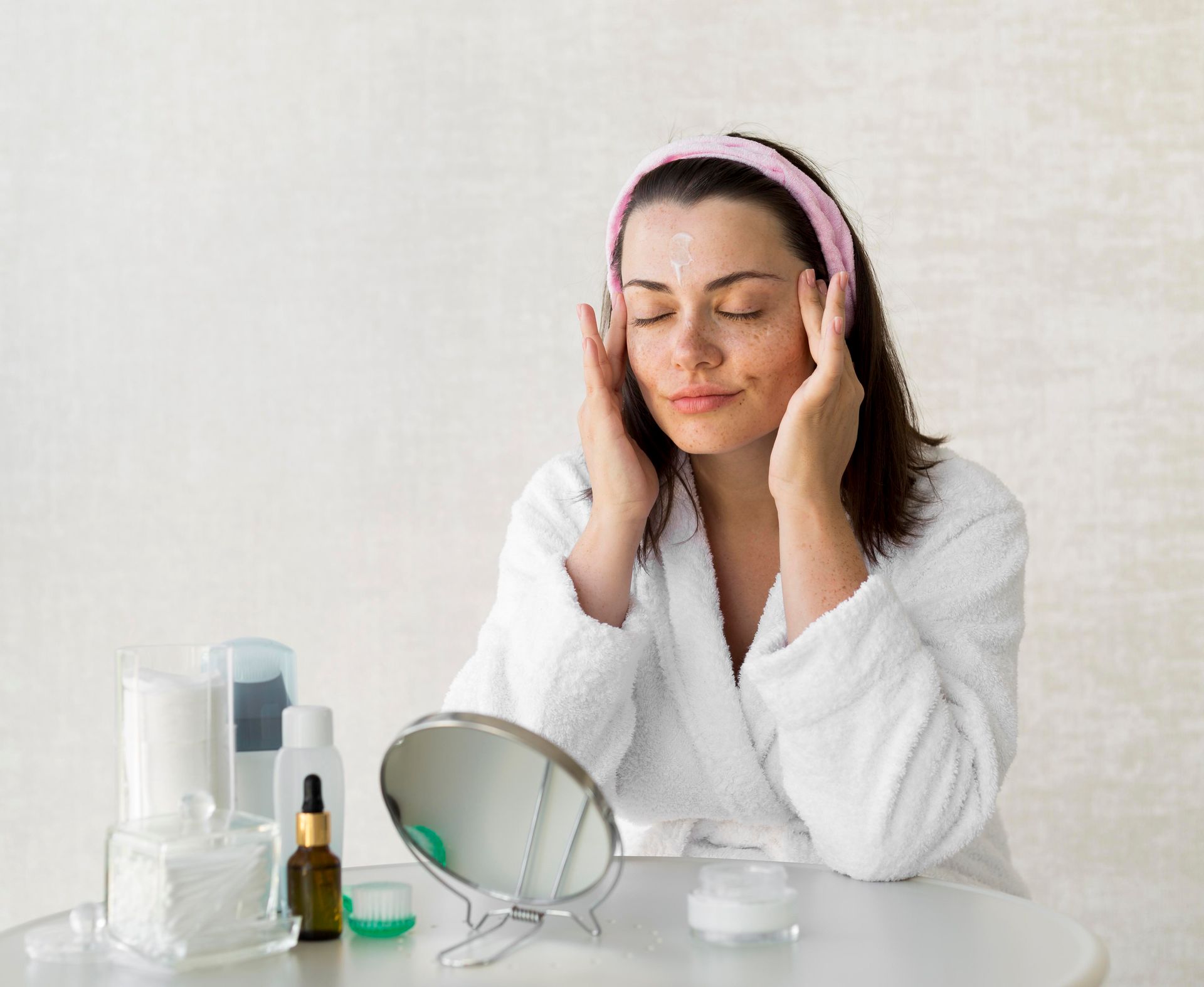
2. Moisturize Frequently


Dryness is a major cause of rough texture. Apply a gentle, fragrance-free moisturizer 2–3 times a day.

Great options include:


CeraVe Moisturizing Lotion (with ceramides + hyaluronic acid)


Vanicream Moisturizing Cream (for sensitive skin)


La Roche-Posay Cicaplast Baume B5 (for soothing and repair)


3. Let the Hair Shed Naturally


Don’t exfoliate, pluck, or scrub the area. The dead hairs need to fall out on their own, and forcing them out can cause ingrown hairs or irritation. You can gently exfoliate after 5–7 days, once your skin feels calm again.


4. Skip Actives and Harsh Ingredients


Avoid products containing retinol, glycolic acid, salicylic acid, or alcohol for at least a week post-laser. Stick to calming, hydrating skincare instead.


5. Protect From the Sun


Post-laser skin is especially sensitive to UV rays. Even a little sun exposure can cause pigmentation or worsen texture. Always apply broad-spectrum SPF 50, even if you’re indoors most of the day.


When Roughness Might Indicate a Problem


In most cases, roughness after laser is temporary and harmless. But there are a few signs that warrant attention:


Persistent redness or roughness lasting more than a week


Burning, blisters, or peeling skin


Itching that worsens instead of subsiding


Small pustules or whiteheads (indicating folliculitis or infection)


If you notice these symptoms, contact your laser technician or dermatologist. They may recommend a topical antibiotic, healing cream, or a longer gap between sessions.


How Long Until the Roughness Goes Away?


Most people notice smoother skin within 3–7 days after treatment, once the hair shedding phase ends and the barrier repairs itself. After multiple sessions, the skin often becomes significantly smoother than before, as fewer hairs regrow and the follicles shrink.


The key is consistency and care — regular sessions combined with gentle skincare ensure lasting smoothness.


Expert Tips for Long-Term Smoothness


Hydrate from the inside out. Drink plenty of water to help your skin stay soft.


Use a mild exfoliant weekly (like a soft washcloth or enzyme-based scrub) once healed to prevent ingrown hairs.


Avoid waxing or plucking between sessions — it interferes with the laser’s ability to target follicles.


Stick to your session schedule. Consistent treatments ensure the hair is caught in the right growth phase for maximum results.


Final Thoughts


If your skin feels rough after laser hair removal, don’t panic — it’s part of the process, not a problem. Your skin is adjusting, shedding treated hairs, and rebuilding its protective barrier. With a little patience and gentle aftercare, that rough texture will fade, revealing the silky-smooth results you signed up for.


Think of it as your skin’s way of saying, “I’m healing — softness coming soon.”

BOOK YOUR FREE SESSION

Beard Line Laser Hair Removal: Shaping Facial Hair the Modern Way
By Hagar Vaknin December 22, 2025
Beard line laser hair removal offers a modern way to shape facial hair with precision. Learn how it works, who it’s for, results timeline, safety, and aftercare tips.
New AI & Cooling Technologies in Laser Hair Removal (2025 Trends)
By Hagar Vaknin December 22, 2025
Explore the latest 2025 trends in laser hair removal, including AI personalization and advanced cooling technologies that make treatments safer, more comfortable, and more effective.
By Hagar Vaknin December 20, 2025
How does pain-free laser hair removal work? Learn the technology behind cooling systems, energy delivery, and why modern lasers reduce discomfort without reducing results.
IPL vs Diode vs Alexandrite vs Nd:YAG – Which Is Best for YOU?
By Hagar Vaknin December 19, 2025
IPL vs Diode vs Alexandrite vs Nd:YAG: Compare laser hair removal technologies to find the right choice for your skin tone, hair type, safety, and results.
By Hagar Vaknin December 18, 2025
Hidradenitis suppurativa (HS) is not just a skin condition—it is a chronic, often painful disease that can deeply affect quality of life. Recurrent boils, abscesses, scarring, and inflammation in areas like the underarms, groin, inner thighs, and buttocks make everyday activities uncomfortable and emotionally exhausting. For many people living with HS, managing hair in these areas becomes an added challenge, as shaving or waxing often worsens flare-ups. This has led to growing interest in laser hair removal as part of HS management. But is it safe? Does it actually help? And what should you realistically expect if you pursue laser hair removal with hidradenitis suppurativa? Understanding how HS develops—and how laser treatment interacts with affected skin—can help you make an informed, confident decision. Laser Hair Removal for Keratosis Pilaris: Does It Help “Chicken Skin”? Understanding Hidradenitis Suppurativa at Its Root Hidradenitis suppurativa is a chronic inflammatory condition that affects hair follicles, not sweat glands as once believed. The condition begins when hair follicles become blocked, inflamed, and eventually rupture beneath the skin. This leads to painful nodules, tunnels under the skin (sinus tracts), scarring, and repeated infections. Because HS originates in the hair follicle, any treatment that reduces follicular activity has the potential to help manage symptoms. This is the scientific basis behind using laser hair removal as a supportive therapy. Why Hair Removal Is So Challenging for HS Patients Traditional hair removal methods are particularly problematic for people with HS. Shaving causes micro-cuts and friction, which can trigger inflammation. Waxing and threading pull hair from the root, further irritating already sensitive follicles and increasing the risk of flare-ups. Even leaving hair untouched can contribute to friction, bacterial buildup, and clogged follicles in areas where skin rubs together. This creates a frustrating cycle where every option seems to worsen symptoms. How Laser Hair Removal Can Help Hidradenitis Suppurativa Laser hair removal works by delivering targeted heat to the hair follicle, damaging its ability to produce hair. Over time, this significantly reduces hair density and follicular activity. For HS, fewer active follicles mean fewer opportunities for blockage and inflammation. By reducing one of the key triggers of the disease, laser hair removal can help decrease the frequency and severity of flare-ups in some patients. It is important to note that laser hair removal is not a cure for hidradenitis suppurativa. However, it is increasingly recognized as a supportive treatment that may improve symptom control and quality of life.  What the Research Suggests Clinical studies and dermatological experience suggest that laser hair removal—particularly with certain laser types—can lead to fewer lesions, reduced inflammation, and longer periods between flares for people with mild to moderate HS. Results tend to be more noticeable when treatment is started early, before extensive scarring and sinus tracts develop. Advanced HS may still benefit, but expectations must be carefully managed. Who Is a Good Candidate for Laser Hair Removal With HS Laser hair removal is generally considered most suitable for individuals with mild to moderate hidradenitis suppurativa who experience recurring lesions in hair-bearing areas. Candidates should have relatively stable skin without widespread active infection at the time of treatment. Areas with open wounds, draining lesions, or severe inflammation are typically avoided until the skin has calmed. Skin tone, hair color, and overall disease activity all influence whether laser treatment is appropriate, which is why professional evaluation is essential. What to Expect Before Treatment Begins A thorough consultation is critical. The provider will assess the stage of HS, current flare activity, scarring, medications, and overall skin sensitivity. Coordination with a dermatologist is often recommended, especially for patients on systemic treatments. Patch testing may be performed to evaluate how your skin responds to laser energy. Treatment plans are usually conservative, with lower energy settings and longer intervals between sessions. What Happens During Laser Sessions Laser sessions for HS are typically shorter than standard hair removal treatments because affected areas are treated cautiously. Cooling systems are used to protect the skin and minimize discomfort. You may feel warmth or snapping sensations, but pain levels vary depending on inflammation, scarring, and nerve sensitivity in the area. Providers avoid treating active lesions directly and focus on surrounding hair-bearing skin. Recovery and Aftercare Expectations After treatment, mild redness or warmth is common and usually resolves within hours to a day. For HS-prone skin, aftercare is especially important to prevent irritation. Keeping the area cool, dry, and friction-free supports healing. Gentle cleansing and fragrance-free moisturizers help protect the skin barrier. Heat exposure, intense exercise, and tight clothing are typically avoided for a short period after treatment. Any signs of increased pain, swelling, or new lesions should be reported promptly. How Many Sessions Are Needed for HS? Laser hair removal for hidradenitis suppurativa is a gradual process. Multiple sessions are required to reduce hair growth and follicular activity meaningfully. Most patients need a full series of treatments spaced several weeks apart, with maintenance sessions as needed. Improvements in flare frequency may be noticed after several sessions rather than immediately. Consistency and patience are key, as HS responds slowly to changes in follicular behavior. Laser Hair Removal for Eczema or Psoriasis-Prone Skin: Safety Guidelines Can Laser Hair Removal Trigger HS Flare-Ups? When performed carefully, laser hair removal generally does not worsen HS. However, if treatment is too aggressive or performed during active disease, it can potentially trigger inflammation. This is why conservative settings, proper timing, and experienced providers are essential. A skin-first approach prioritizes long-term stability over rapid hair reduction. How Laser Fits Into a Broader HS Management Plan Laser hair removal works best as part of a comprehensive HS management strategy. It may complement medical treatments such as topical therapies, oral medications, or biologics rather than replace them. Reducing hair growth can decrease friction and follicular blockage, making other treatments more effective and improving overall comfort. When Laser Hair Removal May Not Be Appropriate Individuals with severe, widespread HS involving extensive scarring and active infections may not be suitable candidates for laser hair removal. In such cases, medical or surgical management may take priority. A responsible provider will advise against treatment if the risks outweigh the potential benefits. Final Thoughts: What to Expect From Laser Hair Removal for HS Laser hair removal can be a valuable supportive option for people living with hidradenitis suppurativa, particularly when follicular blockage plays a significant role in flares. While it is not a cure, it can help reduce hair density, inflammation triggers, and the frequency of painful lesions over time. Success depends on realistic expectations, careful timing, and professional oversight. When approached thoughtfully and as part of a broader care plan, laser hair removal can offer meaningful relief and improved quality of life for some individuals with HS.
Laser Hair Removal for Eczema or Psoriasis-Prone Skin: Safety Guidelines
By Hagar Vaknin December 17, 2025
Is laser hair removal safe for eczema or psoriasis-prone skin? Learn expert safety guidelines, risks, timing tips, and aftercare to protect sensitive skin during treatment.
Hypopigmentation vs Hyperpigmentation: What Laser Patients Should Know
By Hagar Vaknin December 17, 2025
Hypopigmentation vs hyperpigmentation after laser treatments explained. Learn causes, risks, prevention, and what laser patients should know to protect skin tone safely.
Can Laser Hair Removal Help Ingrown Hair Scarring Long-Term?
By Hagar Vaknin December 17, 2025
Can laser hair removal reduce ingrown hair scarring long-term? Learn how it prevents ingrowns, improves dark marks, what results to expect, and when extra treatments may help.
Dealing With Thick Regrowth After Laser: Normal or Not?
By Hagar Vaknin December 14, 2025
Noticing thick regrowth after laser hair removal? Learn why it happens, when it’s normal, signs to watch for, and how expert-guided treatments help restore smooth, long-term results.
Laser Hair Removal for Keratosis Pilaris: Does It Help “Chicken Skin”?
By Hagar Vaknin December 13, 2025
Does laser hair removal help keratosis pilaris? Learn how laser treatments affect “chicken skin,” who benefits most, realistic results, and expert-backed care tips.
More Posts