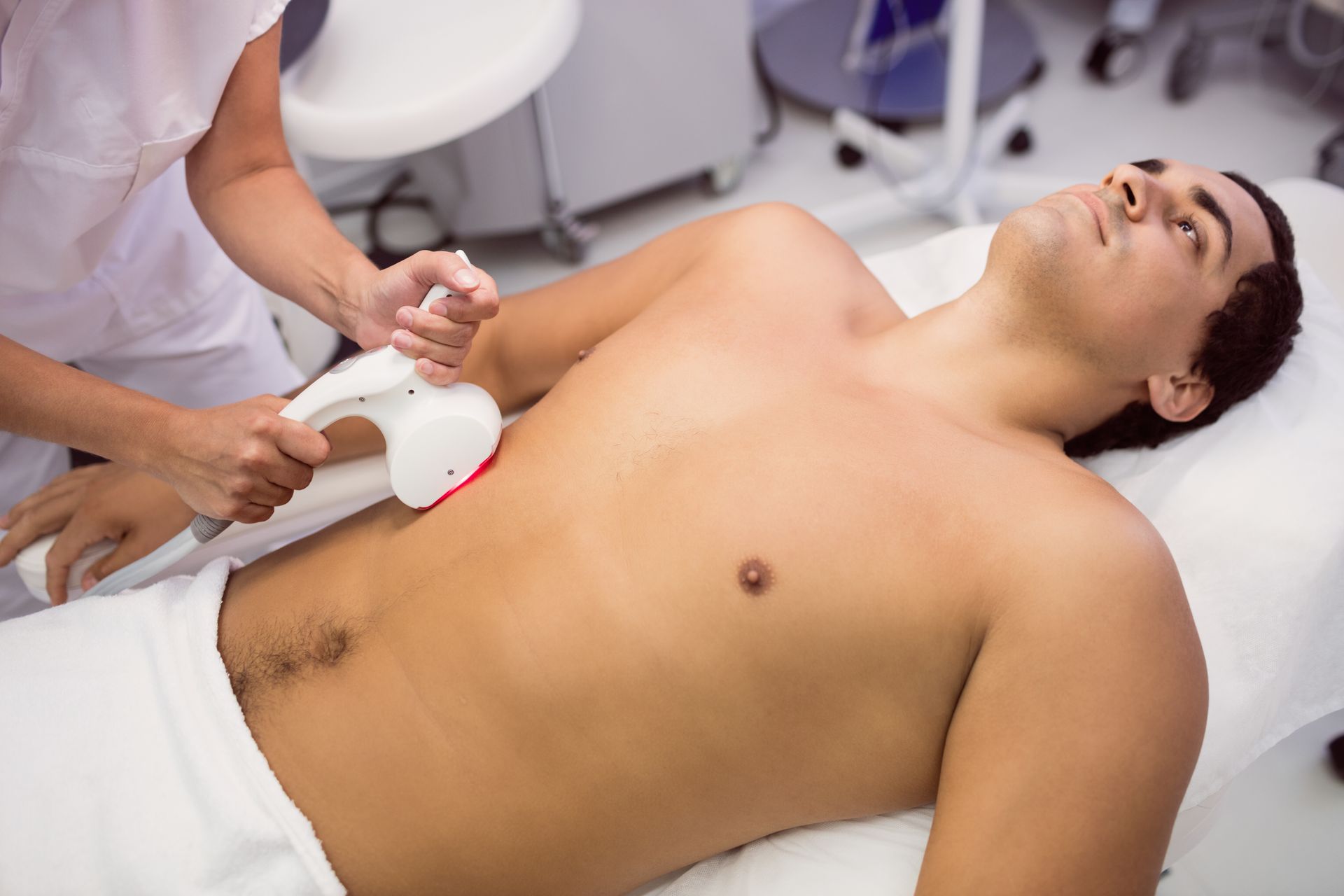
Does Laser Hair Removal Affect the Skin’s Texture?
Laser hair removal is one of the most popular cosmetic treatments today—and for good reason. It’s convenient, long-lasting, and reduces the need for constant shaving or waxing. But there’s one question many people quietly wonder before starting:
Does laser hair removal affect the skin’s texture?
The answer is yes—but often in ways people don’t expect. Some changes are temporary, some are improvements, and a few require proper aftercare to prevent.
Let’s break it down in a clear, honest way so you know exactly what to expect.
Can I get laser hair removal before my wedding or vacation?
Understanding What Laser Hair Removal Actually Does to Your Skin
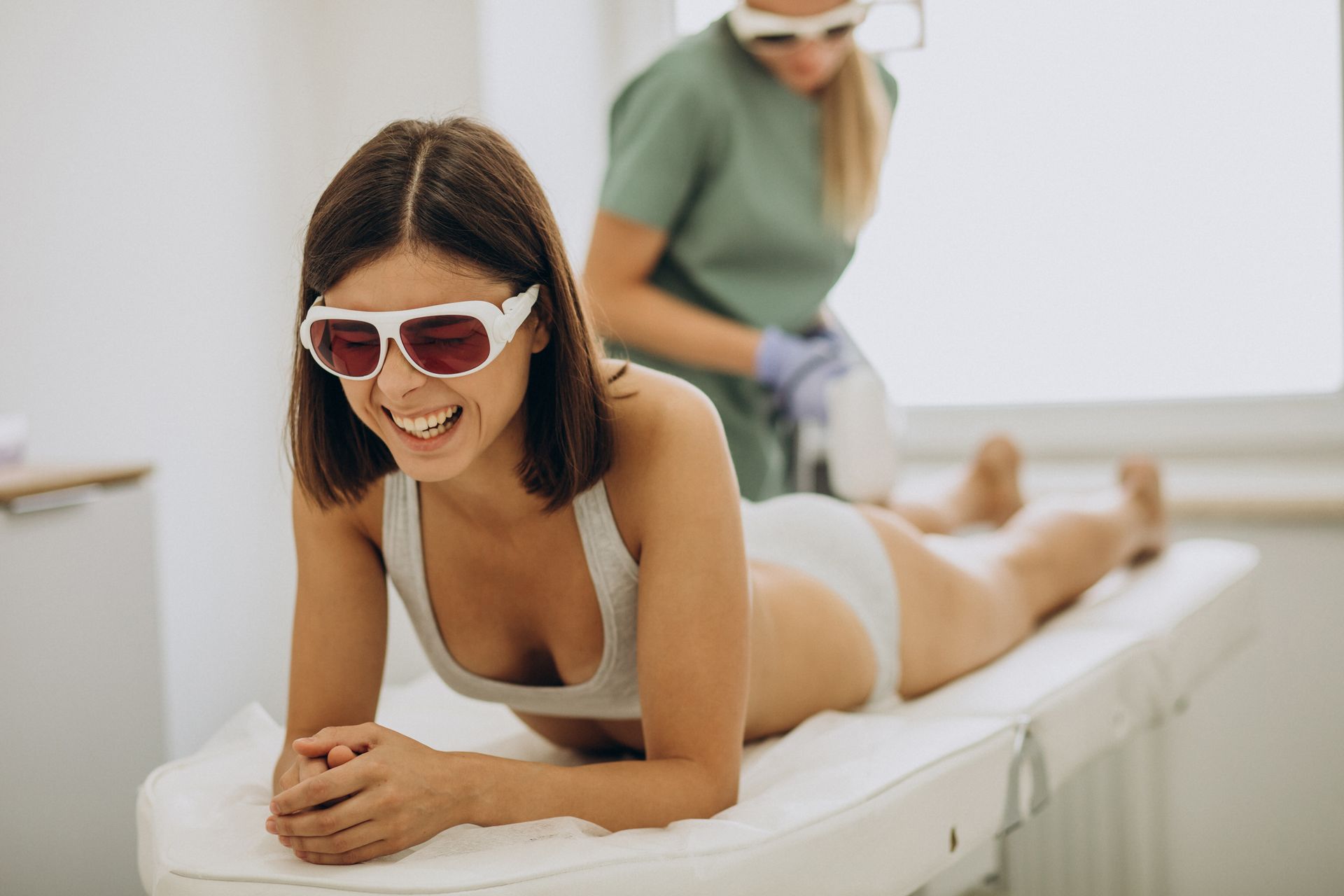
Laser hair removal works by sending controlled beams of heat into your hair follicles. The goal is to disable the follicle, not damage your skin.
However, because heat and skin interact, your skin’s texture may temporarily shift depending on:
- your skin type
- how sensitive your skin is
- the type of laser used
- how well you prep and care for your skin afterward
Most people experience temporary changes, not permanent damage.
Can Laser Hair Removal Improve Skin Texture? Absolutely.
This part often surprises people, but the treatment can actually smooth your skin over time.
Less Razor Burn and Fewer Ingrown Hairs
Once the hair follicles stop producing thick, coarse hair, the bumps and rough patches from shaving and waxing begin to fade.
If you usually struggle with:
- strawberry legs
- bumpy underarms
- bikini-line ingrowns
- textural roughness from constant shaving
Laser can dramatically improve those areas, giving the skin a clearer, cleaner finish.
A More Even Surface Over Time
With fewer hair follicles being active, the skin naturally looks more refined. The process reduces:
- shadowy hair follicles
- uneven patches caused by waxing trauma
- tiny bumps caused by clogged pores
Most people notice smoother skin after their third or fourth session.
What About Negative Texture Changes? Are They Common?
They can happen, but they’re usually temporary and preventable.
Mild Swelling or “Goosebump” Texture
Right after the session, you may notice the skin looks bumpy or swollen around each follicle.
This is called follicular edema.
It’s actually a sign the laser hit the hair correctly, and it usually fades within a few hours.
Dry or Rough Skin
The heat from the laser can temporarily dry the skin, creating a slightly rough feel.
A good moisturizer or aloe gel solves this quickly.
Hyperpigmentation or Dark Spots
This is rare when done by a skilled technician but more likely if:
- your skin was tanned
- you recently waxed
- you used retinoids
- you didn’t use sunscreen
- the wrong laser was used for your skin tone
These texture changes fade with proper care but may last several weeks.
Can Laser Hair Removal Cause Permanent Texture Damage?
In most cases,
no.
Permanent texture issues can occur only under extreme conditions, such as:
- improper laser settings
- untrained technicians
- using the wrong laser for darker skin
- doing sessions on sunburned, irritated, or compromised skin
This is why choosing a trained professional matters more than anything.
At-Home Laser Devices vs. Professional Clinics: Do They Work the Same?
How to Protect Your Skin Texture During Laser Treatments
You don’t need a complicated routine—just smart habits.
Prep Your Skin Properly
Your skin should be:
- shaved
- clean
- free of makeup, lotion, or deodorant
- protected from sun exposure
These steps help the laser focus on the hair, not on irritated or damaged skin.
Moisturize Generously
Hydrated skin recovers faster and maintains a smooth feel.
Use aloe vera, ceramide creams, or gentle moisturizers.
Use SPF Every Single Day
Sun exposure after laser can cause roughness, darkening, or blotchy texture.
SPF 50 is your best friend throughout the treatment period.
Avoid Active Skincare for 48–72 Hours
After the session, avoid:
- retinoids
- AHAs/BHAs
- exfoliation
- vitamin C
These ingredients can irritate freshly treated skin and affect texture.
Areas Where Texture Changes Are Most Noticeable
Not all body parts react the same. Some are more sensitive.
Face
You may experience mild dryness or redness, especially around the upper lip or chin.
Bikini Area
This area is prone to bumps because hair is thicker and skin is sensitive—but also shows the biggest improvement in smoothness.
Underarms
Skin here becomes smoother quickly because laser stops the thick, coarse hair that causes friction and bumps.
Legs
Laser dramatically reduces keratosis pilaris looking bumps for many people.
Trends in 2025: Why Laser Hair Removal Is More Popular Than Ever
When Texture Problems Mean Something Is Wrong
If you experience any of the following, contact your provider:
- blistering
- persistent scabbing
- severe discoloration
- burning that lasts longer than 24 hours
These are signs of incorrect settings or poor technique—not normal reactions.
Final Thoughts: Does Laser Hair Removal Affect the Skin’s Texture?
Yes—but mostly in
positive ways.
With the right provider, laser hair removal leads to smoother skin, fewer bumps, and clearer texture. The temporary side effects—swelling, dryness, or redness—are normal and manageable.
As long as you prep your skin correctly, follow aftercare, and choose a qualified technician, laser hair removal becomes one of the best long-term solutions for silky, even skin.
BOOK YOUR FREE SESSION