Why Is My Skin Breaking Out After a Facial?
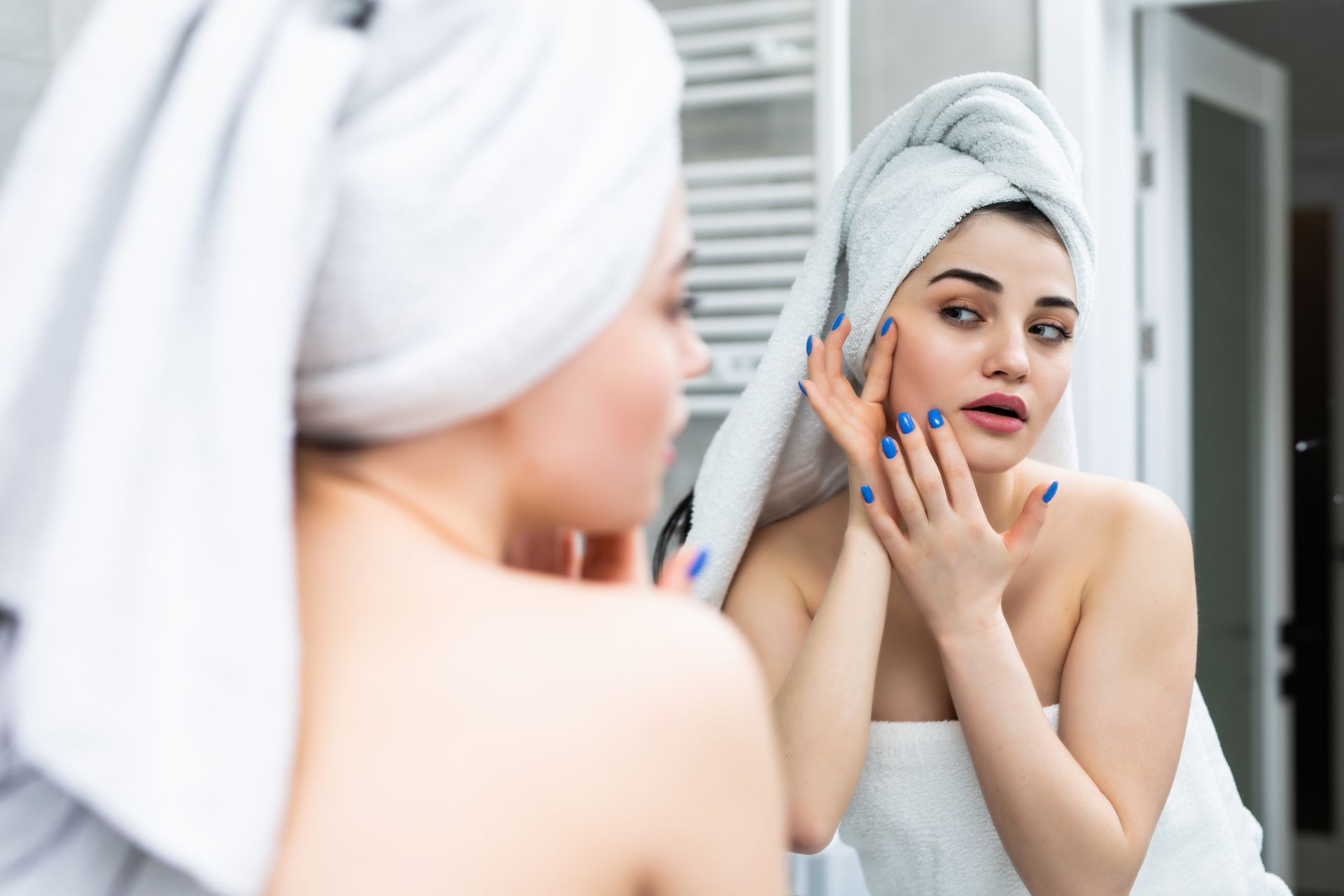
If you’ve walked out of a facial expecting a bright, glowing complexion but instead noticed small bumps, whiteheads, or breakouts over the next few days, you’re not alone. Post-facial breakouts can feel confusing and discouraging—especially when you invested time and money into improving your skin.
The truth is, breakouts after a facial can actually be part of your skin’s natural response to deep cleansing. But not every breakout is normal, and understanding the difference helps you stay calm, make informed decisions, and know when to reach out to your esthetician.
This guide gives you a clear, reassuring explanation of why it happens, what’s normal, what’s not, and how to prevent future reactions.
Can You Wear Makeup After a Facial?
Is It Normal to Break Out After a Facial?
Yes, it can be completely normal—depending on the kind of treatment you received and the condition your skin was in before the facial.
A facial deeply cleanses the pores, stimulates circulation, and increases cell turnover. When this happens, congestion that was sitting beneath the surface can rise to the top. This process is called purging, and it’s simply your skin releasing buildup that would have become a breakout eventually.
Purging is temporary, and it usually fades within a few days to a week.
Why Skin Breaks Out After a Facial: The Most Common Reasons
There isn’t just one cause. Instead, several factors can trigger post-facial breakouts, and each one has its own explanation.
Your Skin Is Releasing Congestion Beneath the Surface
When exfoliation, steaming, or professional products stimulate your skin, dormant buildup starts moving upward. This can appear as tiny whiteheads or small inflamed bumps.
This type of breakout usually clears quickly, and it almost always means your skin is adjusting—not reacting.
Extractions Can Bring Impurities to the Surface
Extractions are helpful but can temporarily leave the skin looking worse before it looks better. If your esthetician worked on congested areas, those pores may take a few days to settle.
You Received a Stronger Treatment Than Your Skin Is Used To
If you switched to a new treatment—like a peel, an enzyme facial, or microdermabrasion—your skin may be adjusting to increased exfoliation. Even gentle treatments can feel strong if your barrier is fragile.
Your Barrier Was Already Compromised
When the barrier is weak from stress, dehydration, harsh products, or recent breakouts, the skin becomes more reactive. A facial can temporarily overwhelm it, causing irritation that resembles acne.
The Products Didn’t Match Your Skin Type
It is rare with a trained professional, but certain oils, heavy creams, or active ingredients might trigger breakouts in acne-prone skin. Patchy, persistent breakouts often point to this cause.
You Touched Your Face Too Soon After the Facial
Right after a treatment, the pores are more open and sensitive. Touching your skin, resting your chin on your hand, or using unclean pillowcases can lead to bacteria entering freshly treated areas.
You Went to the Gym or Wore Makeup Too Soon
Sweat, bacteria, or occlusive makeup applied immediately after a facial can undo the treatment’s effects and contribute to breakouts.
Is It Purging or a Reaction? How to Tell the Difference
You don’t want to misjudge the situation. Here’s the easiest way to understand what’s happening—without overthinking it.
Signs It’s Purging
Purging is normal and expected with exfoliating or deep-cleansing facials. It may include:
- Small whiteheads or tiny bumps in areas where you normally break out
- Breakouts appearing gradually over 24–72 hours
- Pimples that heal faster than usual
- Slight dryness or flaking as old skin sheds
Purging never spreads to new areas and doesn’t last more than a week or so.
Signs It’s Irritation or a Reaction
Reactions need attention and may include:
- Breakouts in areas where you never get acne
- Red patches, stinging, or itchiness
- Very inflamed, painful bumps
- Breakouts lasting more than 7–10 days
- Skin feeling hot or overly tight
In this case, reaching out to your esthetician helps determine the cause and plan the next steps.
How Long Do Post-Facial Breakouts Last?
Most purging clears within three to seven days, depending on your skin type and the kind of treatment you received. If the breakout is irritation-based, it may take longer—but a professional can guide you on calming the skin and adjusting future treatments.
How to Calm Breakouts After a Facial Without Making It Worse
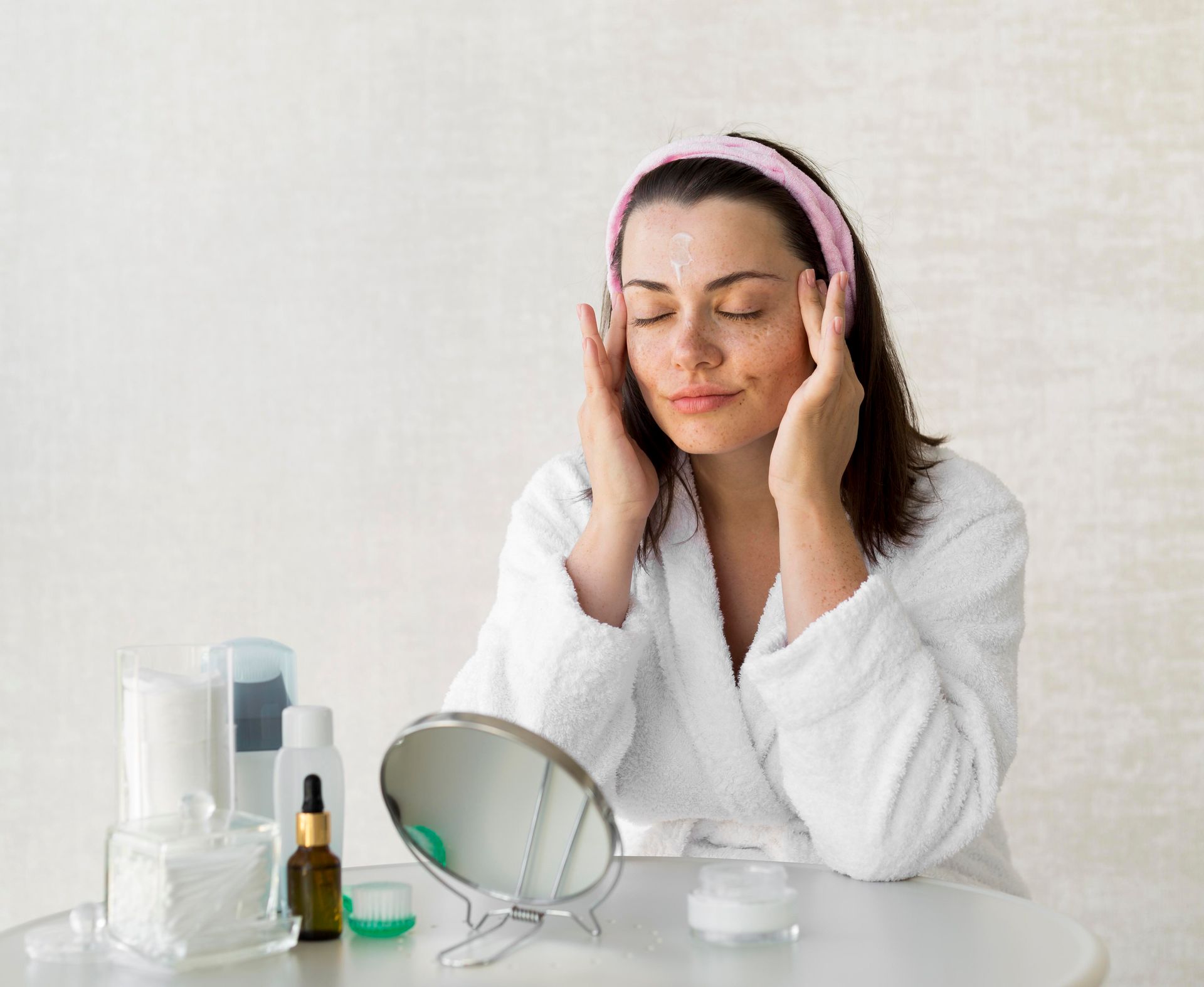
Aftercare plays a huge role in how your skin recovers. Even the best facial can backfire if you overwhelm your skin afterward.
Give your skin space to settle. Use gentle, fragrance-free cleansers. Keep your routine simple for at least 48 hours. Let your skin breathe. Hydrate generously. Protect it from the sun with SPF. What you want to avoid is scrubbing, harsh exfoliants, or layering too many actives on already stimulated skin.
If the breakout is mild, this approach is usually enough to bring everything back to balance.
Can You Prevent Breakouts After a Facial?
Yes—most post-facial breakouts can be avoided with the right preparations and the right aftercare.
Here are the only small bullet points included:
- Avoid exfoliating at home for 3–5 days before your appointment.
- Inform your esthetician about any active products you are using.
- Skip heavy makeup or intense exercise for 24 hours after the facial.
Beyond this, consistency is your biggest ally. Regular facials train your skin to respond better each time, reducing the chances of irritation or purging in the future.
Who Is More Likely to Break Out After a Facial?
People with acne-prone, congested, or combination skin often experience purging because their pores naturally hold more buildup. Those with sensitive or barrier-compromised skin may also be prone to irritation-based breakouts if treatments aren’t adjusted gently enough.
This is why transparency with your esthetician matters—sharing your habits, recent skincare use, stress levels, and usual breakout patterns lets them tailor the facial to your skin’s real needs.
When Should You Contact a Professional?
If your breakouts feel unusually painful, keep spreading, last more than 10 days, or come with itching, burning, or swelling, it’s time to reach out. An experienced esthetician can help determine whether it’s purging, irritation, or an ingredient reaction—and guide you on appropriate care.
Professional support does more than fix the current breakout. It helps prevent the same issue from happening after future facials.
Final Thoughts: Breakouts After a Facial Aren’t Always a Bad Sign
Seeing pimples after a facial can feel upsetting, but it’s often a normal part of the skin-clearing process. When the skin is deeply cleansed and stimulated, old congestion rises to the surface before your glow fully develops. With gentle aftercare, a bit of patience, and honest communication with your esthetician, your skin will settle, strengthen, and improve with each treatment.
The key is choosing a professional who understands your skin’s history and adjusts each session with precision and care. When that happens, your facials become part of a stable, long-term plan for clearer, calmer, and healthier skin—not just a momentary glow.
BOOK YOUR FREE SESSION