How Often Should You Get a Facial for Glowing Skin? (By Skin Type)
Facials are one of the most effective ways to maintain glowing, healthy skin — but how often should you actually get one? While it might feel amazing to indulge in a spa session every week, not every skin type needs the same frequency. Overdoing it can lead to irritation, while waiting too long between treatments may cause buildup, dullness, and breakouts.
In this guide, we’ll break down how often you should get a facial depending on your skin type, your lifestyle, and your skincare goals — so you can enjoy radiant, balanced skin all year round.
What Happens During a Professional Facial? Step-by-Step Guide to the Process
Why Frequency Matters in Skincare
Your skin naturally regenerates every 28 to 40 days, shedding dead cells and producing new ones. A facial helps speed up this renewal process by deep cleansing, exfoliating, and nourishing your skin. But if you wait too long between treatments, dead cells, oils, and impurities can accumulate — leading to congestion, breakouts, and a dull complexion.
On the other hand, scheduling facials too frequently can strip your skin’s barrier, leaving it red or overly sensitive. Finding the right rhythm helps your skin heal, renew, and glow naturally without overexposure.
For Normal or Combination Skin: Every 4–6 Weeks
If your skin is generally well-balanced — not too oily, not too dry — a facial every 4 to 6 weeks is ideal. This allows your skin cells to complete a full regeneration cycle while keeping pores clean and hydration balanced.
During each facial, your esthetician can focus on maintenance: gentle exfoliation, pore cleansing, and hydration. This routine helps prevent future breakouts, minimizes blackheads, and gives your skin that consistent, healthy glow.
Combination skin types benefit especially from facials that target oily zones (like the T-zone) while hydrating drier areas such as the cheeks and jawline.
For Oily or Acne-Prone Skin: Every 2–4 Weeks
If you deal with frequent breakouts, blackheads, or excess oil, you may need facials more often — typically every 2 to 4 weeks. Oily skin tends to produce sebum faster, which can clog pores and cause inflammation.
Professional facials that include deep cleansing, steam, and extractions help manage oil levels and prevent acne flare-ups. Consistent treatments also reduce acne scars and refine texture over time.
However, if you’re currently using acne medication or prescription treatments, discuss this with your esthetician. They can adjust the facial to avoid over-exfoliating or irritating your skin.
For Dry or Dehydrated Skin: Every 4–6 Weeks
Dry or dehydrated skin often struggles with flakiness, tightness, and dullness. Facials every 4 to 6 weeks are ideal for replenishing lost moisture and restoring the skin’s lipid barrier.
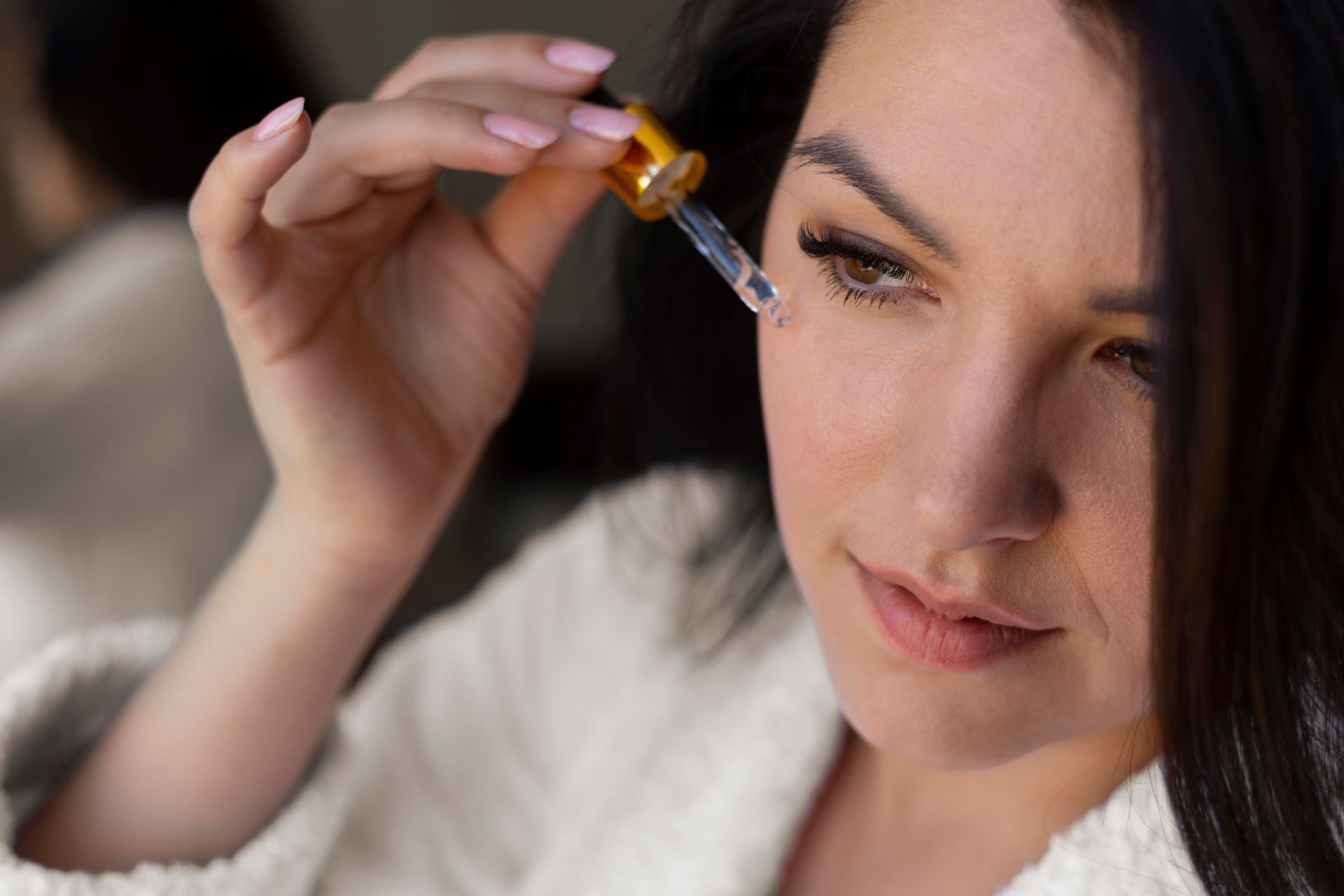
These treatments typically include hydrating masks, serums with hyaluronic acid, and gentle exfoliation to remove dry, dead cells. Regular facials also help improve the absorption of your at-home products, allowing your moisturizer and serum to work more effectively.
If your environment is particularly dry — for example, during winter or in air-conditioned spaces — scheduling facials more frequently can help maintain balance.
For Sensitive or Reactive Skin: Every 6–8 Weeks
Those with sensitive skin need to be especially cautious about frequency and the types of products used. Facials every 6 to 8 weeks give your skin enough time to recover between sessions.
The focus should be on soothing and strengthening — not exfoliating. Look for facials that use calming ingredients such as aloe vera, chamomile, green tea, or oatmeal. These help reduce redness and inflammation while hydrating the skin barrier.
A skilled esthetician will also perform a patch test before applying any new product to ensure there’s no irritation.
For Mature or Aging Skin: Every 3–4 Weeks
As we age, cell turnover slows down, and collagen production decreases. This makes regular facials a key part of anti-aging skincare. For mature skin, every 3 to 4 weeks is ideal to keep the skin firm, smooth, and radiant.
Anti-aging facials often include collagen masks, light chemical peels, or LED therapy to stimulate elasticity and minimize fine lines. Regular treatments also boost blood flow, delivering more oxygen and nutrients to the skin for a youthful glow.
For Those With Hyperpigmentation or Uneven Tone: Every 3–4 Weeks
If your goal is to fade dark spots or even out your complexion, consistency is everything. Schedule facials every 3 to 4 weeks for visible results.
Brightening facials often include gentle exfoliation, vitamin C serums, and light resurfacing treatments that promote new cell growth and reduce pigmentation over time.
Avoid scheduling too close together, though — your skin needs time to heal and regenerate between treatments to avoid sensitivity.
How Lifestyle Affects Facial Frequency
Your lifestyle and environment also influence how often you should get facials.
- City dwellers exposed to pollution may benefit from more frequent deep-cleansing facials.
- Frequent travelers dealing with dry airplane air can opt for hydrating facials before and after flights.
- Athletes or gym-goers who sweat often may need monthly treatments to prevent clogged pores.
Even stress plays a role — cortisol spikes can lead to breakouts, dullness, and inflammation, which regular facials can help manage.
What About At-Home Facials?
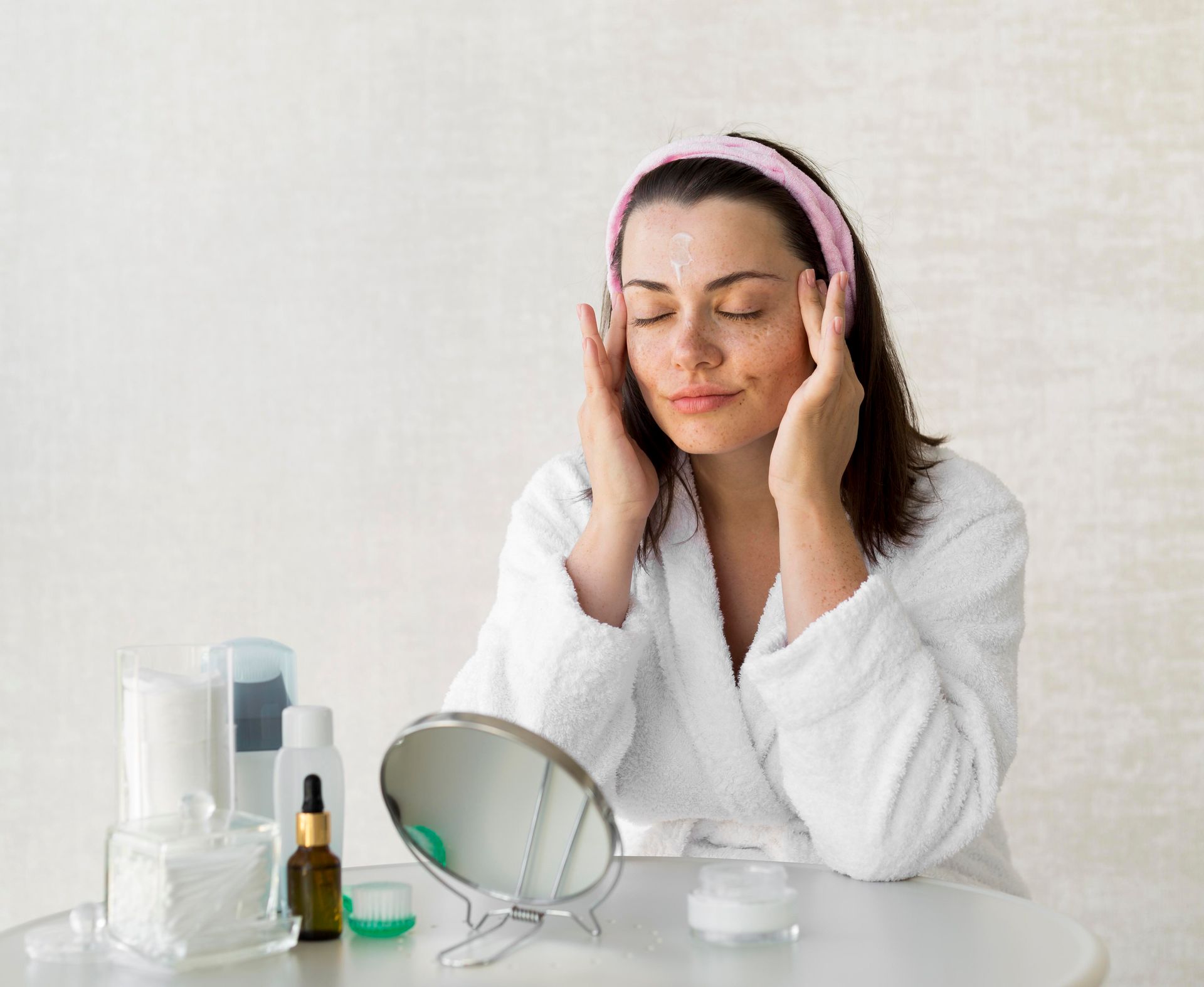
At-home facials and masks are excellent for maintenance between professional sessions, but they can’t fully replace a professional’s expertise. DIY facials can help hydrate, brighten, and calm your skin, but they don’t offer the same deep cleansing or extraction benefits.
Using professional-grade products under an esthetician’s guidance ensures your home routine complements your in-office treatments — not overworks your skin.
Can I do laser hair removal if I have acne or open pores?
The Bottom Line: Listen to Your Skin
Ultimately, the best frequency for facials depends on your skin type, lifestyle, and goals. For most people, a monthly facial keeps the skin balanced and glowing, but it’s not a one-size-fits-all rule.
Pay attention to how your skin feels — if it looks dull, congested, or flaky, it’s likely time for a professional refresh. Conversely, if it’s red or sensitive, it might need a longer break.
Consistent, customized facials — paired with a good at-home skincare routine — are the secret to long-term radiance.
BOOK YOUR FREE SESSION