What Happens During a Professional Facial? Step-by-Step Guide to the Process
Facials are often described as the ultimate act of self-care — but they’re much more than a luxurious indulgence. A professional facial is a science-backed treatment designed to cleanse, hydrate, and rejuvenate your skin, targeting issues like dullness, acne, dehydration, and premature aging. If you’ve never had one before, you might wonder what actually happens during a session and how each step benefits your skin.
Let’s walk through the complete professional facial process, from consultation to aftercare, so you know exactly what to expect the next time you book an appointment.
Should you exfoliate before or after laser hair removal?
Step 1: The Consultation – Understanding Your Skin’s Needs
Every professional facial begins with a consultation. Your esthetician takes time to analyze your skin, discuss your goals, and ask about your skincare routine, allergies, and any medications you’re using. This step helps determine the right products and techniques for your skin type — whether it’s oily, dry, sensitive, or a combination.
During this analysis, the professional may use a magnifying lamp or special light to examine your pores, texture, and tone closely. It’s not just about pampering — it’s about creating a custom treatment plan that addresses your skin’s specific concerns.
Step 2: Cleansing – The Essential First Step
Once the consultation is done, the treatment begins with a thorough cleansing to remove makeup, sunscreen, dirt, and oil from the surface of your skin. This step ensures your pores are open and ready for deeper treatment.
Most estheticians use a double-cleansing method — first with an oil-based cleanser to dissolve impurities, followed by a water-based cleanser to remove any residue. The gentle massage that accompanies this process also boosts circulation and sets a calming tone for the session ahead.
Step 3: Steaming – Opening the Pores for Deep Cleaning
After cleansing, warm steam is applied to your face to help soften the skin and loosen any debris or blackheads trapped inside your pores. Steam also enhances blood flow and makes extractions (if needed) more comfortable.
This step usually lasts around 5–10 minutes, and most clients find it incredibly relaxing. However, if you have sensitive skin or conditions like rosacea, your esthetician may adjust or skip this part to avoid irritation.
Step 4: Exfoliation – Removing Dead Skin Cells
Exfoliation is where your skin starts to truly transform. Using either a mechanical exfoliant (like a gentle scrub or microdermabrasion device) or a chemical exfoliant (like an enzyme or mild acid peel), the esthetician removes dead skin cells that dull your complexion.
This step not only reveals fresher, brighter skin but also allows serums and masks applied later to penetrate more effectively. Depending on your skin type, exfoliation may cause a slight tingling — that’s completely normal and a sign that the product is working.
Step 5: Extractions – Clearing Clogged Pores
If you struggle with blackheads or congested skin, this is the step you’ll appreciate most. Extractions involve manually clearing clogged pores, blackheads, or whiteheads.
The esthetician uses a specialized tool and gentle pressure to remove impurities without damaging the skin. This process requires skill — attempting it at home can lead to irritation or scarring — which is why having it done professionally is always safer and more effective.
After extractions, your skin may appear slightly pink or sensitive, but that fades quickly as the treatment continues.
Step 6: Massage – Stimulating and Relaxing
One of the highlights of a professional facial is the facial massage. It’s more than just a relaxing experience — it helps increase blood circulation, promote lymphatic drainage, and tone facial muscles.
Using rhythmic motions and specialized techniques, the esthetician massages your face, neck, and shoulders. This encourages oxygen flow to your skin cells, which helps your skin look healthier and more radiant.
The massage also supports collagen production over time and gives your face that immediate post-facial glow everyone loves.
Can I get laser hair removal before my wedding or vacation?
Step 7: Mask Application – Targeted Skin Therapy
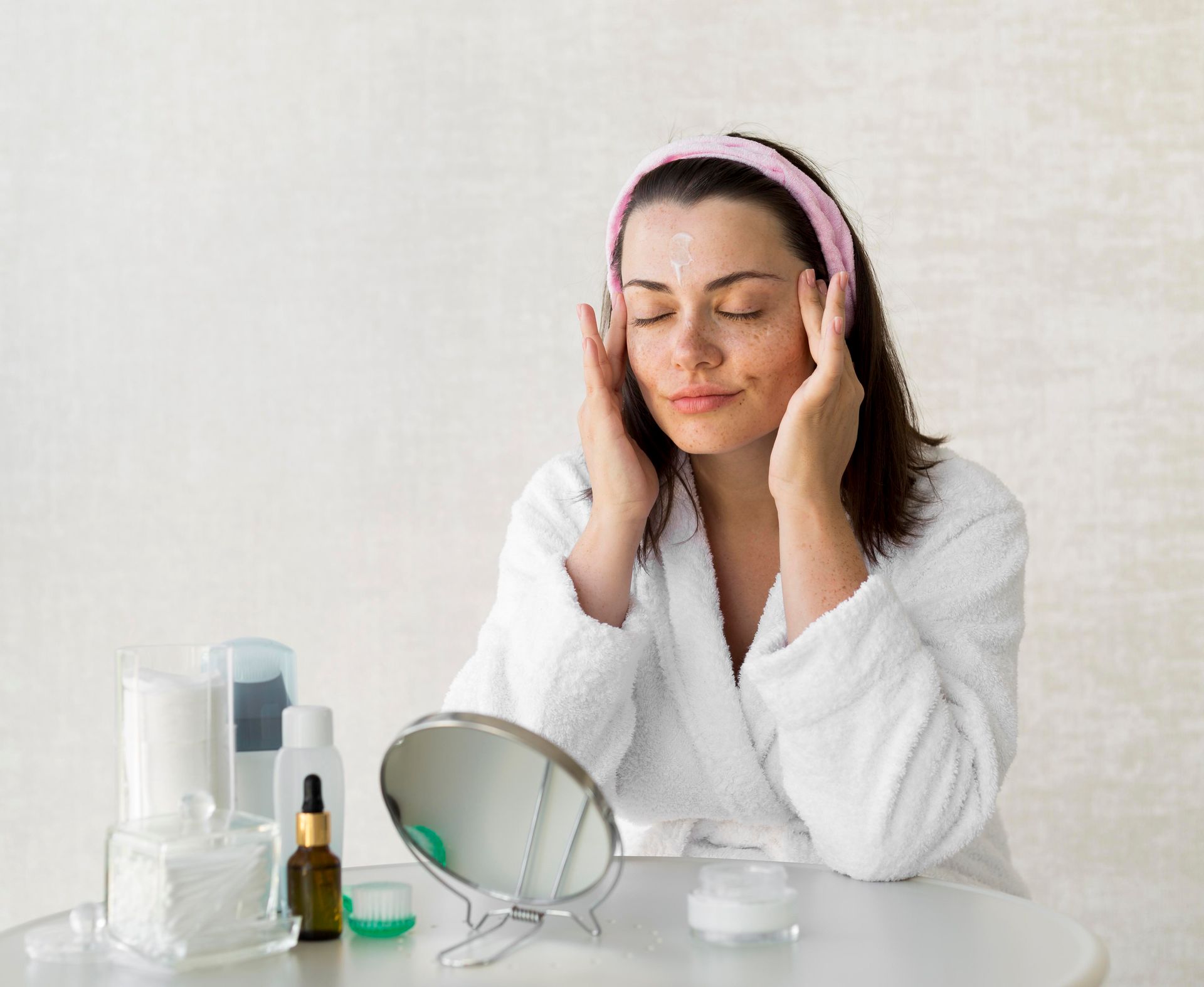
After your skin has been exfoliated, cleansed, and massaged, it’s time for a custom face mask. Depending on your skin’s needs, it could be hydrating, purifying, calming, or brightening.
Clay masks are often used for oily or acne-prone skin, while cream or gel masks provide deep moisture for dry or sensitive skin. The mask is typically left on for 10–15 minutes while you relax — often with a hand or scalp massage to complete the experience.
This step allows the skin to absorb key nutrients and rebalance after the more active treatments earlier in the session.
Step 8: Toner, Serums, and Moisturizer – Sealing the Benefits
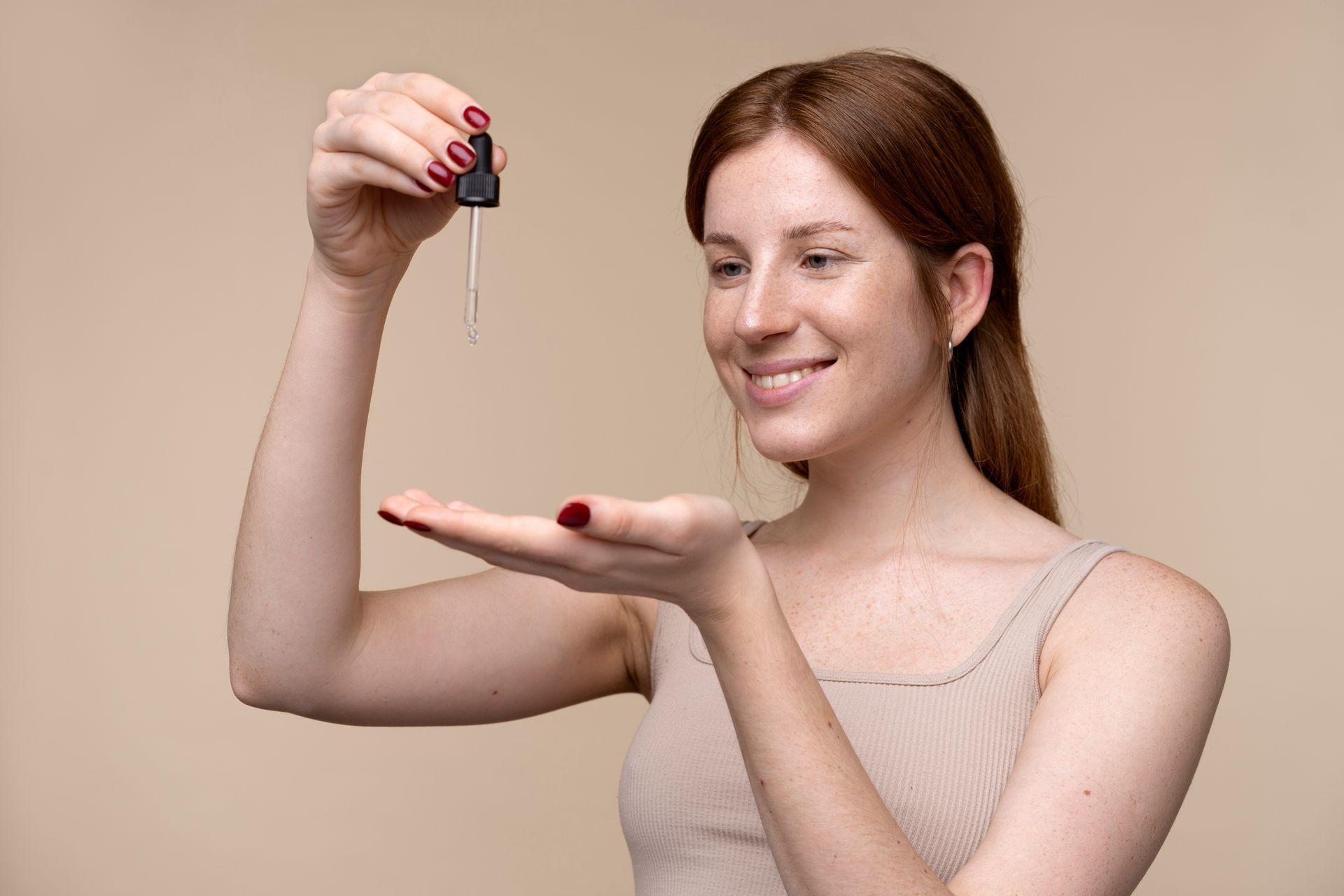
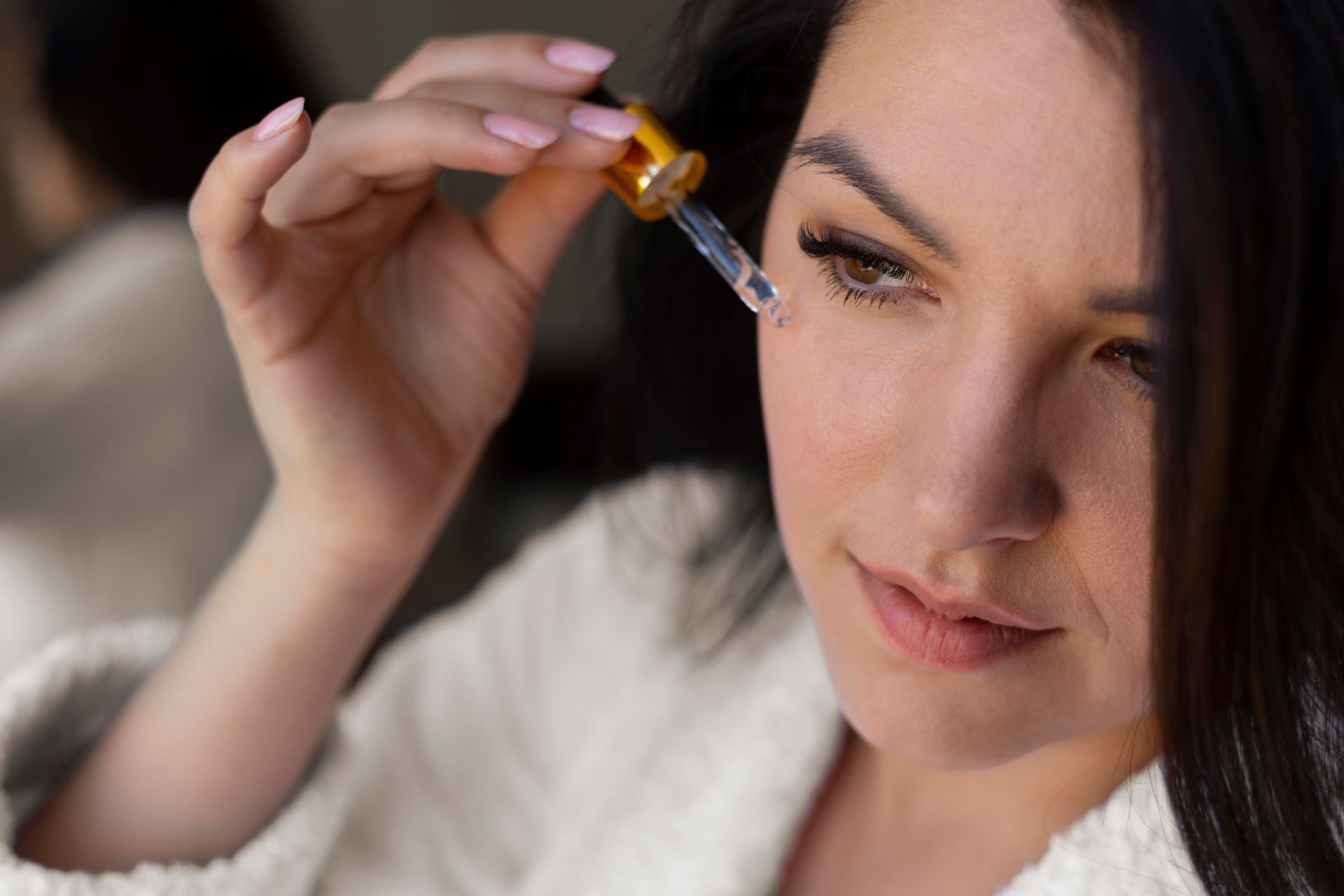
Once the mask is removed, the esthetician applies toner to restore your skin’s natural pH balance, followed by targeted serums rich in antioxidants, peptides, or hyaluronic acid.
Finally, a moisturizer and sunscreen are applied to lock in hydration and protect your newly treated skin. These finishing products are chosen based on your skin’s condition and post-treatment needs — lighter for oily skin, richer for dry skin, and fragrance-free for sensitive types.
Step 9: Aftercare & Professional Recommendations
A professional facial doesn’t end when you leave the spa chair. Your esthetician will walk you through post-facial care and recommend suitable products to maintain your results.
You’ll be advised to:
- Avoid harsh exfoliants, retinoids, or heavy makeup for at least 24 hours.
- Keep your skin hydrated and protected with SPF.
- Avoid saunas or workouts that cause excessive sweating right after treatment.
This aftercare helps prevent irritation and allows your skin to stay balanced, glowing, and healthy.
How Often Should You Get a Facial?
For most people, getting a facial every 4 to 6 weeks is ideal. That timeline allows your skin to go through a complete regeneration cycle, maximizing the benefits of each treatment.
However, your frequency may depend on your skin type and concerns. For acne-prone or congested skin, more frequent visits might help; for sensitive or dry skin, spacing them out can prevent overstimulation.
The Takeaway
A professional facial is more than a one-time pampering experience — it’s a comprehensive skin treatment designed to cleanse, nourish, and rejuvenate your skin from the inside out. Each step, from cleansing to moisturizing, serves a purpose: preparing, treating, and protecting your skin for lasting results.
Whether you’re battling breakouts, dullness, or dryness, a professional facial offers immediate refreshment and long-term improvement. And with consistent care, you’ll notice smoother texture, clearer pores, and a natural radiance that lasts long after you’ve left the spa chair.
BOOK YOUR FREE SESSION