Laser Hair Removal for Eczema or Psoriasis-Prone Skin: Safety Guidelines
Living with eczema or psoriasis already means being careful with your skin. Flare-ups, sensitivity, itching, and inflammation can make even simple routines feel risky. When hair removal enters the picture, many people understandably wonder whether laser hair removal is safe—or whether it could trigger a flare or worsen their condition.
Laser hair removal can be performed safely on eczema- or psoriasis-prone skin, but only under the right conditions. It requires careful timing, professional assessment, and realistic expectations. Understanding how these skin conditions behave and how lasers interact with compromised skin is essential before deciding on treatment.
Hypopigmentation vs Hyperpigmentation: What Laser Patients Should Know
Understanding Eczema and Psoriasis at a Skin Level
Eczema and psoriasis are chronic inflammatory skin conditions, but they behave differently.
Eczema weakens the skin barrier, making it more prone to dryness, irritation, and sensitivity. The skin loses moisture easily and reacts strongly to heat, friction, and harsh products.
Psoriasis, on the other hand, involves an overactive immune response that accelerates skin cell turnover. This leads to thickened plaques, scaling, and redness. The skin may appear stronger on the surface but is often inflamed underneath.
In both conditions, the skin is already in a heightened state of reactivity, which is why any procedure that generates heat must be approached with caution.
How Laser Hair Removal Interacts With Sensitive Skin
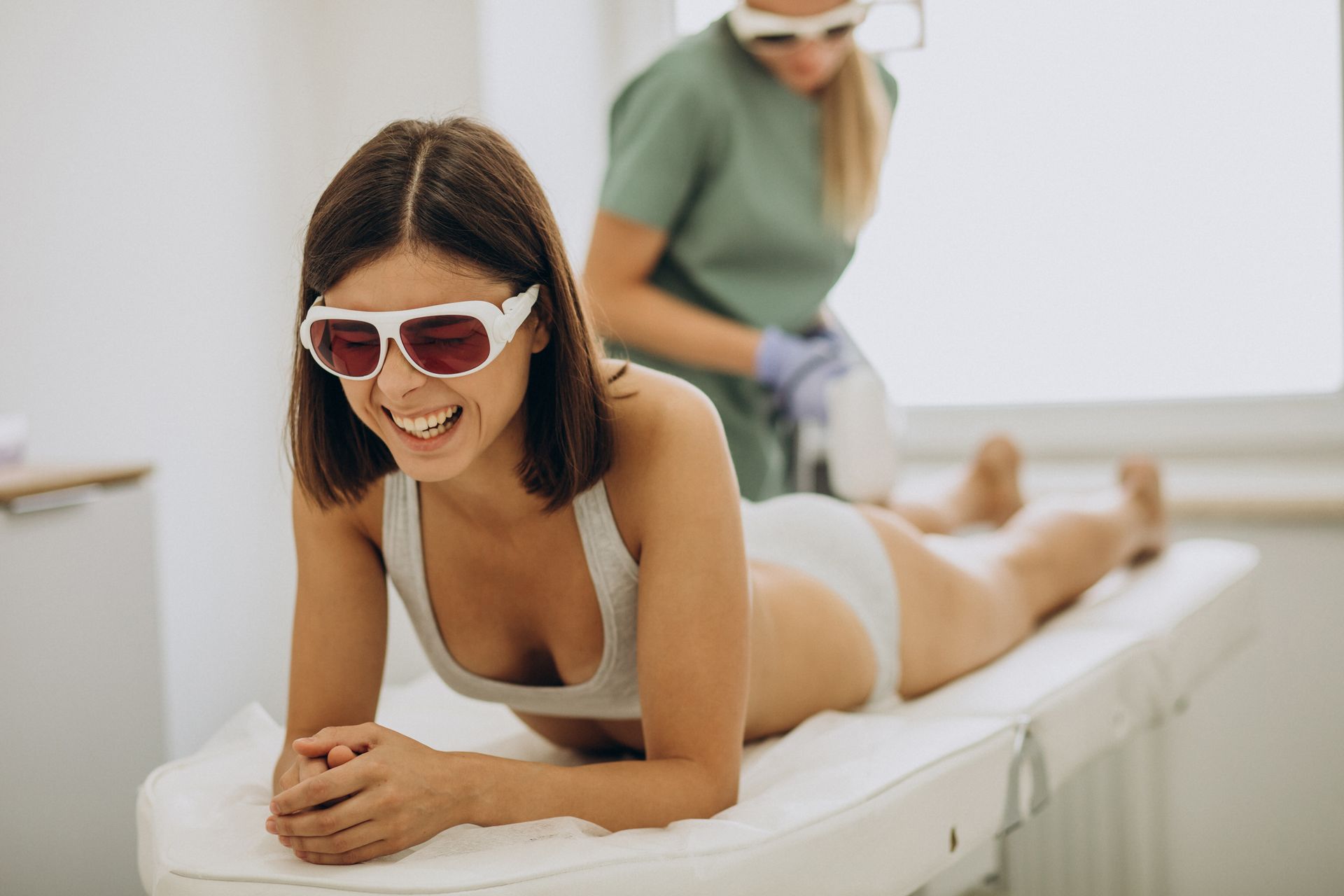
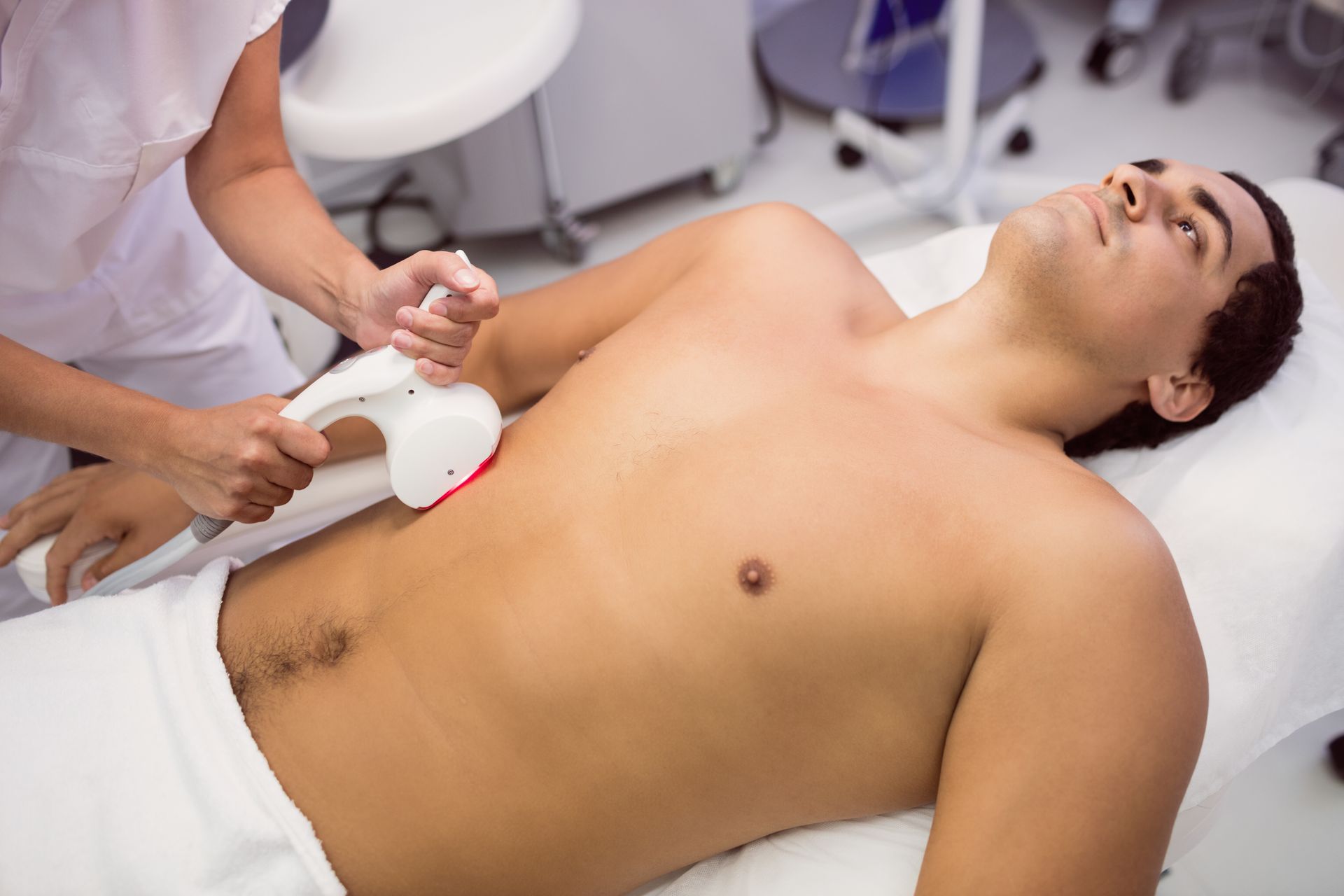
Laser hair removal works by sending controlled heat down the hair shaft to damage the follicle. While the target is the follicle, surrounding skin inevitably absorbs some heat.
On healthy skin, this heat is well tolerated. On inflamed or compromised skin, however, it can increase irritation, disrupt healing, or trigger flare-ups if not carefully managed.
This does not mean laser hair removal is unsafe for people with eczema or psoriasis—but it does mean that timing and technique are critical.
Is Laser Hair Removal Safe During Active Flare-Ups?
Laser hair removal should never be performed on active eczema or psoriasis lesions. Treating inflamed, broken, or scaly skin significantly increases the risk of irritation, prolonged redness, pigment changes, and delayed healing.
For eczema-prone skin, even areas that look calm but feel itchy or tight may still be compromised. For psoriasis, plaques that appear thick or flaky should be avoided entirely.
Laser treatments are safest when the skin is clear, calm, and stable—not during active disease phases.
When Laser Hair Removal Can Be Considered Safe
Laser hair removal may be considered when eczema or psoriasis is well controlled and the skin barrier is intact. This often means there is no active redness, oozing, scaling, or itching in the treatment area.
Many people with mild or moderate conditions successfully undergo laser hair removal by treating only unaffected skin and avoiding known trigger zones. Professional assessment helps identify which areas are suitable and which should be skipped.
Why Professional Assessment Is Non-Negotiable
Laser hair removal for compromised skin should never be done without an in-person consultation. A trained professional evaluates skin texture, hydration, inflammation levels, medication history, and flare patterns.
They may also coordinate timing around dermatological treatments, such as topical steroids or immunomodulators, to avoid overlapping stress on the skin.
Patch testing is especially important for eczema- and psoriasis-prone individuals, as it helps predict how the skin will respond to laser energy.
Choosing the Right Laser and Settings
Not all lasers are the same. Some devices are more suitable for sensitive or reactive skin because they allow precise energy control and cooling mechanisms.
Lower energy settings, longer pulse durations, and adequate spacing between sessions reduce the risk of triggering inflammation. More conservative treatment plans may require additional sessions, but they prioritize skin health over speed.
Aggressive settings may shorten timelines, but they significantly increase the risk of flare-ups and complications for sensitive skin types.
The Importance of Timing Between Sessions
People with eczema or psoriasis often need longer intervals between laser sessions. This gives the skin time to fully recover and reduces cumulative stress.
Treatments scheduled too closely together can overwhelm the skin’s healing capacity and increase the likelihood of irritation or delayed flare-ups, even if the skin appeared calm initially.
A slower, skin-first approach is safer and more sustainable.
The Ultimate Facial Guide for Acne-Prone Skin
Pre-Treatment Skin Preparation Matters
In the weeks leading up to laser hair removal, maintaining a strong skin barrier is essential. Well-hydrated skin tolerates heat better and heals more efficiently.
Avoiding harsh exfoliants, retinoids, and fragranced products before treatment helps reduce baseline irritation. For eczema-prone skin, consistent moisturization is particularly important.
Sun exposure should also be minimized, as UV-stressed skin reacts more unpredictably to laser energy.
Aftercare Guidelines for Eczema or Psoriasis-Prone Skin
After laser treatment, the skin may feel warm or slightly sensitive. For reactive skin types, aftercare plays a major role in preventing flares.
Cooling the area, using fragrance-free moisturizers, and avoiding heat, friction, or sweating for the first 24 to 48 hours helps calm the skin. Any signs of itching, tightness, or redness should be addressed early rather than ignored.
Sun protection is especially important, as inflamed skin is more vulnerable to pigment changes.
Can Laser Hair Removal Trigger New Flare-Ups?
While uncommon when performed correctly, flare-ups can occur due to stress, heat, or immune response activation. This is why conservative treatment planning and honest communication are essential.
If flare-ups occur after treatment, future sessions may need to be delayed, adjusted, or discontinued depending on the severity and frequency of reactions.
A responsible provider prioritizes long-term skin stability over continuing treatments at all costs.
Is Laser Better Than Waxing or Shaving for These Conditions?
For many people with eczema or psoriasis, laser hair removal is ultimately gentler than repeated shaving or waxing. Traditional hair removal methods create ongoing friction, micro-injuries, and inflammation, which can repeatedly trigger symptoms.
Once laser treatments reduce hair growth, daily irritation often decreases, leading to fewer ingrown hairs and less mechanical stress on the skin.
That said, the transition must be handled carefully to avoid replacing one trigger with another.
When Laser Hair Removal May Not Be the Right Choice
Laser hair removal may not be suitable for individuals with severe, widespread eczema or psoriasis that is difficult to control. If flare-ups are frequent or unpredictable, the risks may outweigh the benefits.
In such cases, alternative hair management strategies or medical guidance from a dermatologist may be more appropriate.
Final Thoughts: A Skin-First Approach Is Essential
Laser hair removal can be safe and beneficial for people with eczema or psoriasis-prone skin—but only when performed thoughtfully, conservatively, and with full respect for the skin’s limits.
The key lies in proper assessment, avoiding active flares, using appropriate settings, and prioritizing barrier health before and after treatment. When these principles are followed, many individuals experience smoother skin with fewer long-term irritation triggers.
With sensitive skin, success is not about pushing through discomfort—it’s about working with your skin, not against it.
BOOK YOUR FREE SESSION