Laser Hair Removal for Hidradenitis Suppurativa – What to Expect
Hidradenitis suppurativa (HS) is not just a skin condition—it is a chronic, often painful disease that can deeply affect quality of life. Recurrent boils, abscesses, scarring, and inflammation in areas like the underarms, groin, inner thighs, and buttocks make everyday activities uncomfortable and emotionally exhausting. For many people living with HS, managing hair in these areas becomes an added challenge, as shaving or waxing often worsens flare-ups.
This has led to growing interest in laser hair removal as part of HS management. But is it safe? Does it actually help? And what should you realistically expect if you pursue laser hair removal with hidradenitis suppurativa?
Understanding how HS develops—and how laser treatment interacts with affected skin—can help you make an informed, confident decision.
Laser Hair Removal for Keratosis Pilaris: Does It Help “Chicken Skin”?
Understanding Hidradenitis Suppurativa at Its Root
Hidradenitis suppurativa is a chronic inflammatory condition that affects hair follicles, not sweat glands as once believed. The condition begins when hair follicles become blocked, inflamed, and eventually rupture beneath the skin. This leads to painful nodules, tunnels under the skin (sinus tracts), scarring, and repeated infections.
Because HS originates in the hair follicle, any treatment that reduces follicular activity has the potential to help manage symptoms. This is the scientific basis behind using laser hair removal as a supportive therapy.
Why Hair Removal Is So Challenging for HS Patients
Traditional hair removal methods are particularly problematic for people with HS. Shaving causes micro-cuts and friction, which can trigger inflammation. Waxing and threading pull hair from the root, further irritating already sensitive follicles and increasing the risk of flare-ups.
Even leaving hair untouched can contribute to friction, bacterial buildup, and clogged follicles in areas where skin rubs together. This creates a frustrating cycle where every option seems to worsen symptoms.
How Laser Hair Removal Can Help Hidradenitis Suppurativa
Laser hair removal works by delivering targeted heat to the hair follicle, damaging its ability to produce hair. Over time, this significantly reduces hair density and follicular activity.
For HS, fewer active follicles mean fewer opportunities for blockage and inflammation. By reducing one of the key triggers of the disease, laser hair removal can help decrease the frequency and severity of flare-ups in some patients.
It is important to note that laser hair removal is not a cure for hidradenitis suppurativa. However, it is increasingly recognized as a supportive treatment that may improve symptom control and quality of life.
What the Research Suggests
Clinical studies and dermatological experience suggest that laser hair removal—particularly with certain laser types—can lead to fewer lesions, reduced inflammation, and longer periods between flares for people with mild to moderate HS.
Results tend to be more noticeable when treatment is started early, before extensive scarring and sinus tracts develop. Advanced HS may still benefit, but expectations must be carefully managed.
Who Is a Good Candidate for Laser Hair Removal With HS
Laser hair removal is generally considered most suitable for individuals with mild to moderate hidradenitis suppurativa who experience recurring lesions in hair-bearing areas.
Candidates should have relatively stable skin without widespread active infection at the time of treatment. Areas with open wounds, draining lesions, or severe inflammation are typically avoided until the skin has calmed.
Skin tone, hair color, and overall disease activity all influence whether laser treatment is appropriate, which is why professional evaluation is essential.
What to Expect Before Treatment Begins
A thorough consultation is critical. The provider will assess the stage of HS, current flare activity, scarring, medications, and overall skin sensitivity. Coordination with a dermatologist is often recommended, especially for patients on systemic treatments.
Patch testing may be performed to evaluate how your skin responds to laser energy. Treatment plans are usually conservative, with lower energy settings and longer intervals between sessions.
What Happens During Laser Sessions
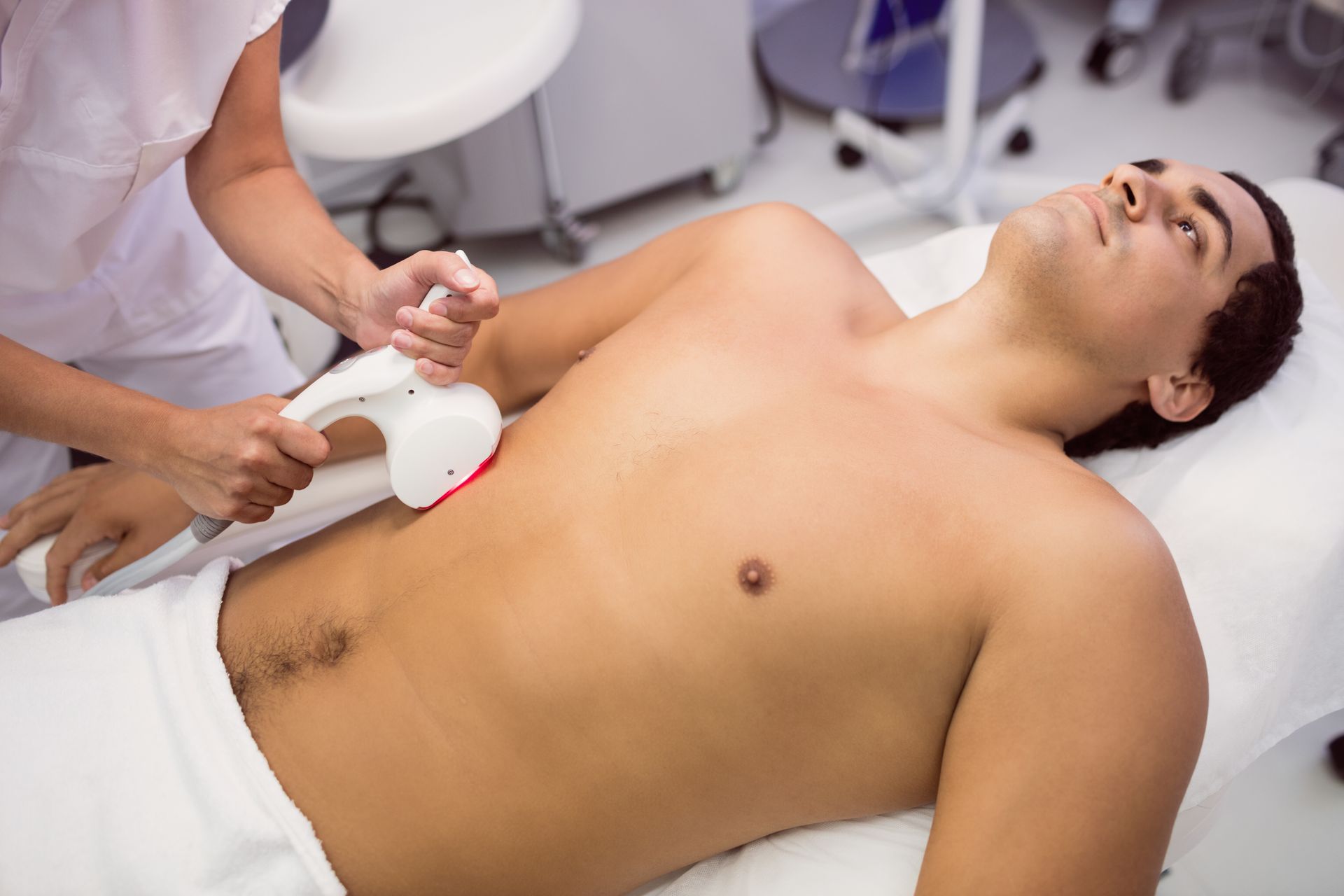
Laser sessions for HS are typically shorter than standard hair removal treatments because affected areas are treated cautiously. Cooling systems are used to protect the skin and minimize discomfort.
You may feel warmth or snapping sensations, but pain levels vary depending on inflammation, scarring, and nerve sensitivity in the area. Providers avoid treating active lesions directly and focus on surrounding hair-bearing skin.
Recovery and Aftercare Expectations
After treatment, mild redness or warmth is common and usually resolves within hours to a day. For HS-prone skin, aftercare is especially important to prevent irritation.
Keeping the area cool, dry, and friction-free supports healing. Gentle cleansing and fragrance-free moisturizers help protect the skin barrier. Heat exposure, intense exercise, and tight clothing are typically avoided for a short period after treatment.
Any signs of increased pain, swelling, or new lesions should be reported promptly.
How Many Sessions Are Needed for HS?
Laser hair removal for hidradenitis suppurativa is a gradual process. Multiple sessions are required to reduce hair growth and follicular activity meaningfully.
Most patients need a full series of treatments spaced several weeks apart, with maintenance sessions as needed. Improvements in flare frequency may be noticed after several sessions rather than immediately.
Consistency and patience are key, as HS responds slowly to changes in follicular behavior.
Laser Hair Removal for Eczema or Psoriasis-Prone Skin: Safety Guidelines
Can Laser Hair Removal Trigger HS Flare-Ups?
When performed carefully, laser hair removal generally does not worsen HS. However, if treatment is too aggressive or performed during active disease, it can potentially trigger inflammation.
This is why conservative settings, proper timing, and experienced providers are essential. A skin-first approach prioritizes long-term stability over rapid hair reduction.
How Laser Fits Into a Broader HS Management Plan
Laser hair removal works best as part of a comprehensive HS management strategy. It may complement medical treatments such as topical therapies, oral medications, or biologics rather than replace them.
Reducing hair growth can decrease friction and follicular blockage, making other treatments more effective and improving overall comfort.
When Laser Hair Removal May Not Be Appropriate
Individuals with severe, widespread HS involving extensive scarring and active infections may not be suitable candidates for laser hair removal. In such cases, medical or surgical management may take priority.
A responsible provider will advise against treatment if the risks outweigh the potential benefits.
Final Thoughts: What to Expect From Laser Hair Removal for HS
Laser hair removal can be a valuable supportive option for people living with hidradenitis suppurativa, particularly when follicular blockage plays a significant role in flares. While it is not a cure, it can help reduce hair density, inflammation triggers, and the frequency of painful lesions over time.
Success depends on realistic expectations, careful timing, and professional oversight. When approached thoughtfully and as part of a broader care plan, laser hair removal can offer meaningful relief and improved quality of life for some individuals with HS.
BOOK YOUR FREE SESSION