Understanding Pores: What Extractions Do (and Don’t Do)
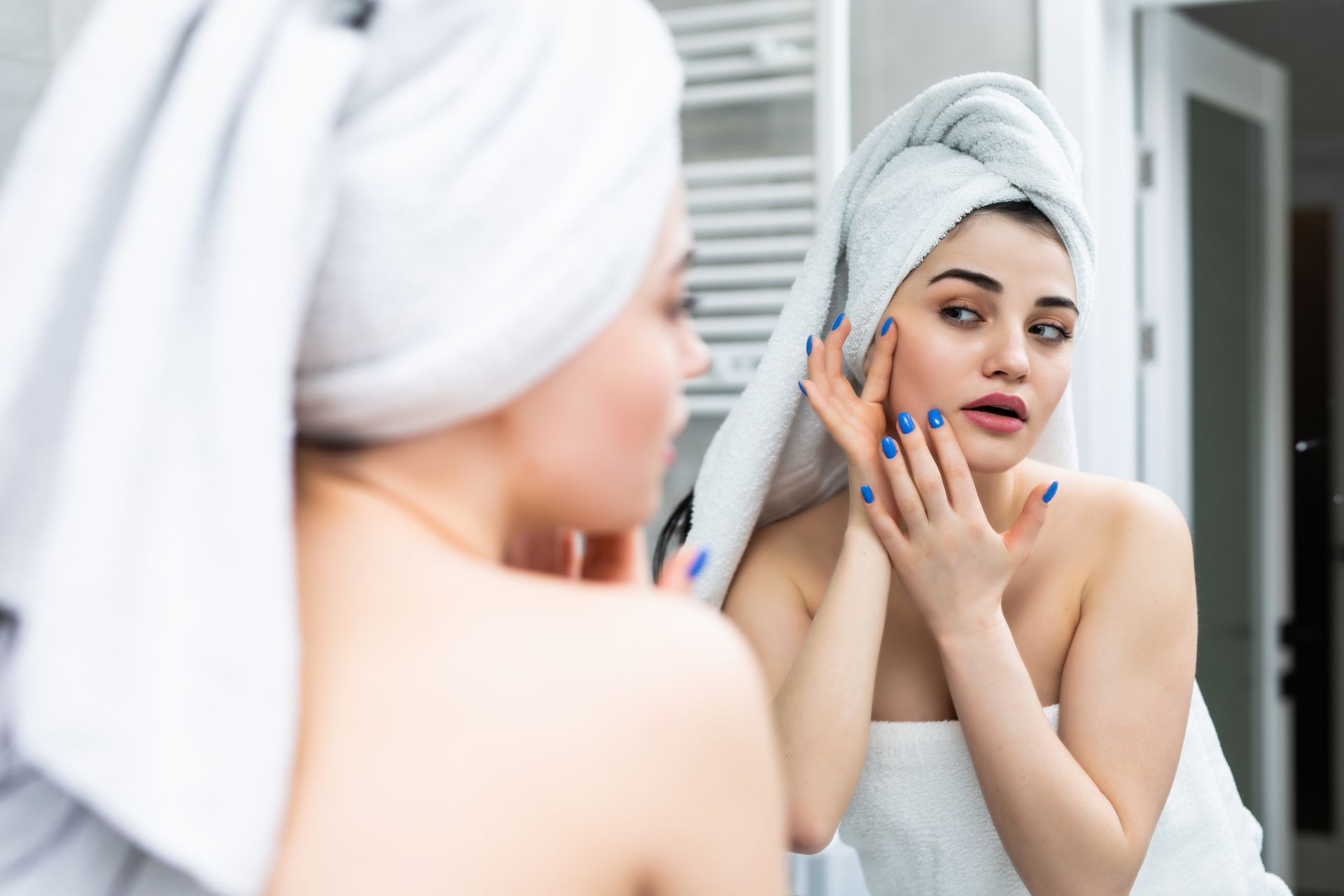
Most people book a facial hoping to walk out with smooth, clarified skin — and for many, extractions feel like the heart of the treatment. Yet there is also confusion: Do extractions make pores smaller? Can they scar the skin? Why do some people purge afterward while others don’t? And are extractions even necessary for everyone?
If you’ve ever left a facial feeling both relieved and slightly nervous about what was just taken out of your pores, you’re not alone. Extractions can be incredibly helpful, but only when you understand what they truly do — and what they don’t.
This guide breaks everything down in simple, clear science so you know exactly what to expect before, during, and after a pore-extraction facial.
The Science Behind Exfoliation: How Facials Rejuvenate Skin
What Exactly Are Pores? A Simple Explanation
Pores are tiny openings in the skin where oil and sweat are released. Every person has them, and they’re essential for skin function. The oil (sebum) produced inside pores keeps your skin lubricated and protected. Problems start when this system becomes overwhelmed.
A pore can become congested when dead skin, excess sebum, pollution, sunscreen residue, makeup, or bacteria build up inside it. Over time, this buildup hardens into a plug. Depending on exposure to air and bacteria, this plug forms a blackhead, whitehead, or inflamed pimple.
Pores aren’t “dirty.” They’re simply openings that can get clogged when the skin’s natural turnover slows down or when product use doesn’t suit your skin type.
What Extractions Actually Do
Extractions are a professional technique where a trained aesthetician removes clogged material from pores using controlled pressure or specialized tools. They’re not random squeezing — they follow skin preparation steps, sanitation rules, and anatomical knowledge.
When done correctly, extractions:
1. Clear out compacted buildup
The primary goal is to remove sebum plugs, blackheads, and non-inflamed whiteheads. This gives the pore a fresh start, allowing skincare products to penetrate more effectively.
2. Reduce the progression of acne
By clearing blockages early, extractions help prevent them from turning into deeper papules or pustules.
3. Smooth out texture
Removing hardened debris reduces bumpiness and leaves the skin softer, especially for areas like the chin, nose, and forehead.
Extractions are functional, not just cosmetic. They help the skin return to a healthy cycle — but they must be done correctly and on the right skin types.
What Extractions Do Not Do
There are several myths around extractions, and understanding them sets realistic expectations.
Extractions do NOT shrink pores
Genetics, sebum output, collagen levels, and age influence pore size. Clearing a pore may make it appear smaller because it is no longer stretched by buildup, but extractions cannot permanently tighten pores.
They do NOT cure acne
Extractions manage symptoms, but acne is hormonal, inflammatory, and systemic. They help control breakouts but are not a standalone treatment.
They do NOT prevent future clogs forever
Oil production continues. Without consistent skincare or periodic treatments, pores can become congested again.
They do NOT replace medical treatment
Inflamed cysts, nodules, or infectious acne conditions need dermatological care, not extraction.
Having realistic expectations makes the process more satisfying — and safer.
Who Should Get Extractions and Who Should Avoid Them
Extractions are helpful for many, but they are not one-size-fits-all.
Best suited for people with:
• Blackheads
• Whiteheads
• Congested skin
• Combination or oily skin
• Rough texture or clogged pores around the nose and chin
People who experience frequent congestion, even with consistent home care, often benefit the most.
Not ideal for:
• Active cystic or inflamed acne
• Thin or extremely sensitive skin
• Rosacea-prone skin
• Skin that scars easily
• People on strong acne medications (like isotretinoin)
When skin is inflamed or fragile, pressure can worsen redness, cause broken capillaries, or increase scarring risk.
A qualified aesthetician will always assess your skin and may suggest alternatives when extractions aren’t appropriate.
The Extraction Process: What Happens During a Facial
Many clients feel anxious about this part of the facial, mostly because they imagine painful squeezing. In reality, a professional will prepare and soften the skin first so the extraction is controlled, safe, and less uncomfortable.
Preparation is key
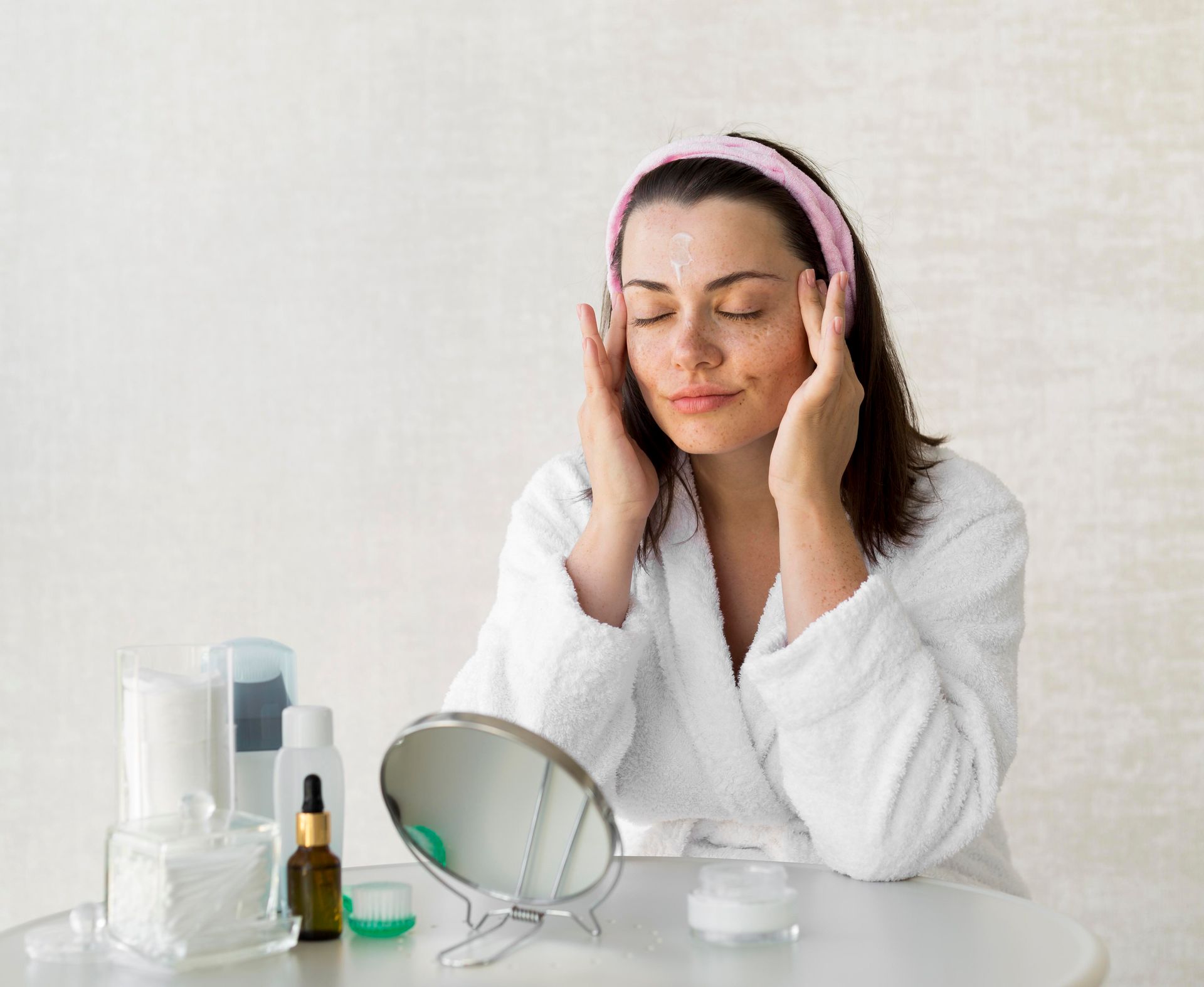
Warm steam, enzyme exfoliants, AHAs, BHAs, or hydrating masks are used to soften the outer layer of skin. This reduces tension around the pore, making extractions smoother.
The extraction
The aesthetician uses gloved fingers or a sterile comedone extractor. The pressure is gentle and targeted — never aggressive. The goal is to lift the plug upward, not force it sideways into the skin.
Post-extraction calming
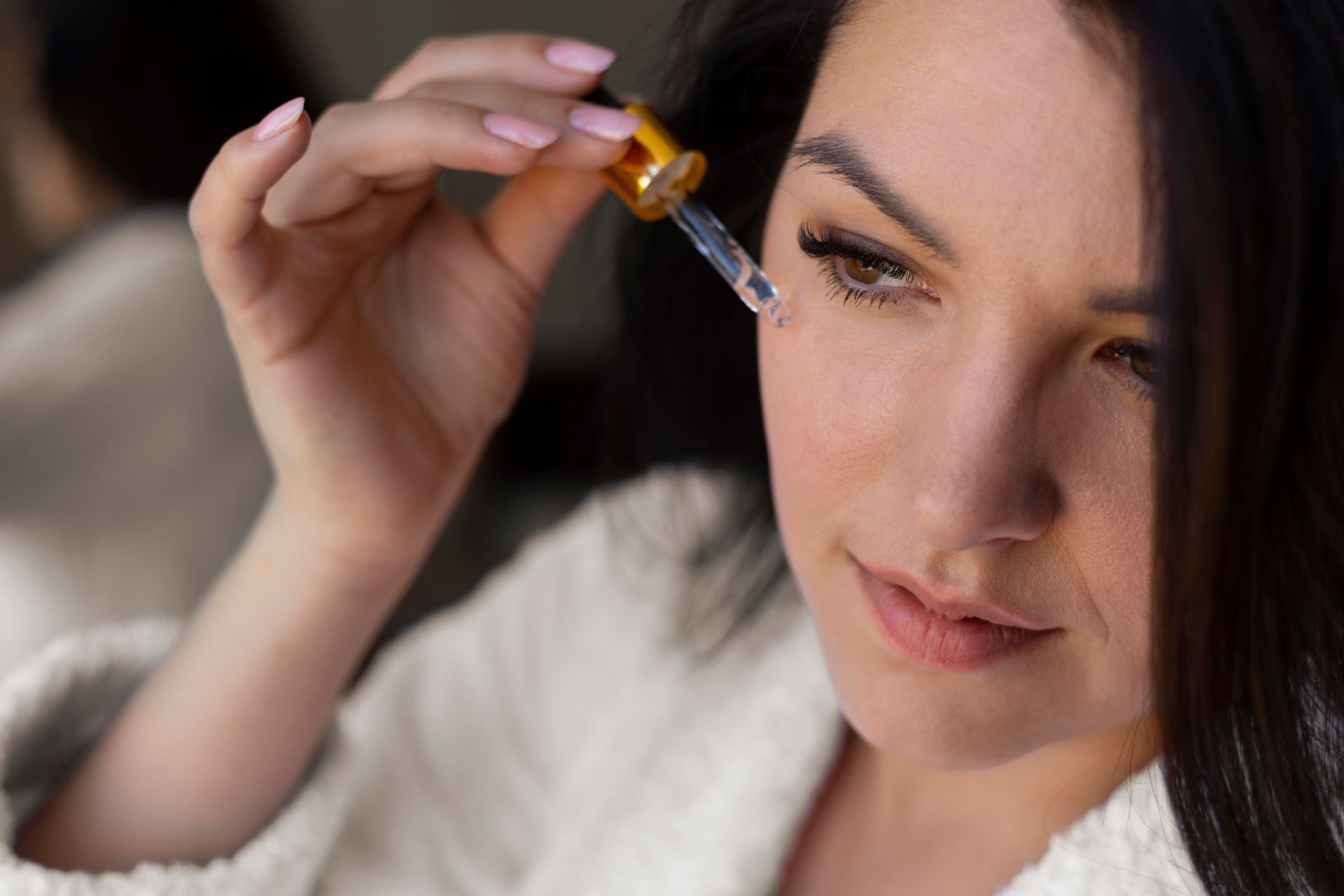
Antibacterial treatments, soothing masks, and anti-inflammatory serums help calm redness and prevent new bacteria from entering the freshly cleared pores.
A professional extraction session is structured, methodical, and mindful of skin sensitivity.
Why Skin Sometimes Breaks Out After Extractions
It’s not uncommon for some people to experience mild breakouts or “purging” after extractions.
This can happen when:
• Deeper blockages begin moving toward the surface
• Oil flow increases after pore clearing
• Skin adjusts to stimulation and exfoliation
Purging usually appears within a few days and clears within a week or two. It’s not a bad sign — it indicates that underlying congestion is coming out.
However, if breakouts become painful or last longer than two weeks, it may signal irritation or an unsuitable product used afterward.
What Extractions Can Improve — Beyond Just Appearance
While many think of extractions as a cosmetic boost, they offer deeper functional benefits.
Better absorption of skincare
Once pores are free of buildup, serums and treatments penetrate more efficiently.
Improved oxygen flow
Clearing blockages allows the skin to breathe better, which contributes to overall radiance.
Less chance of inflammation
A clogged pore is more likely to become infected. Clearing it reduces the risk of developing painful pimples.
A more controlled skincare routine
Regular extractions help you understand how your skin behaves over time, allowing better product choices.
When combined with exfoliation and LED therapy, results become even more noticeable and long-lasting.
How Often Should You Get Extractions?
The frequency depends on your skin type and how quickly your pores clog.
Most people see the best results with:
• Once every 4–6 weeks for maintenance
• Once every 2–3 weeks during periods of high congestion
• Every 8–12 weeks for drier or sensitive skin
Consistency matters more than intensity. Gentle, regular clearing is far safer than aggressive once-in-a-while sessions.
Alternatives and Complements to Extractions
If extractions aren’t ideal for your skin, or if your goal is longer-term clarity, other treatments can help.
Chemical peels
AHAs and BHAs dissolve the bonds holding dead skin onto the surface, preventing clogs from forming.
Hydrafacial
Uses water-based suction to clear pores while hydrating — excellent for sensitive or reactive skin.
Microdermabrasion
Gently buffs away dead skin cells to reduce buildup without pressure.
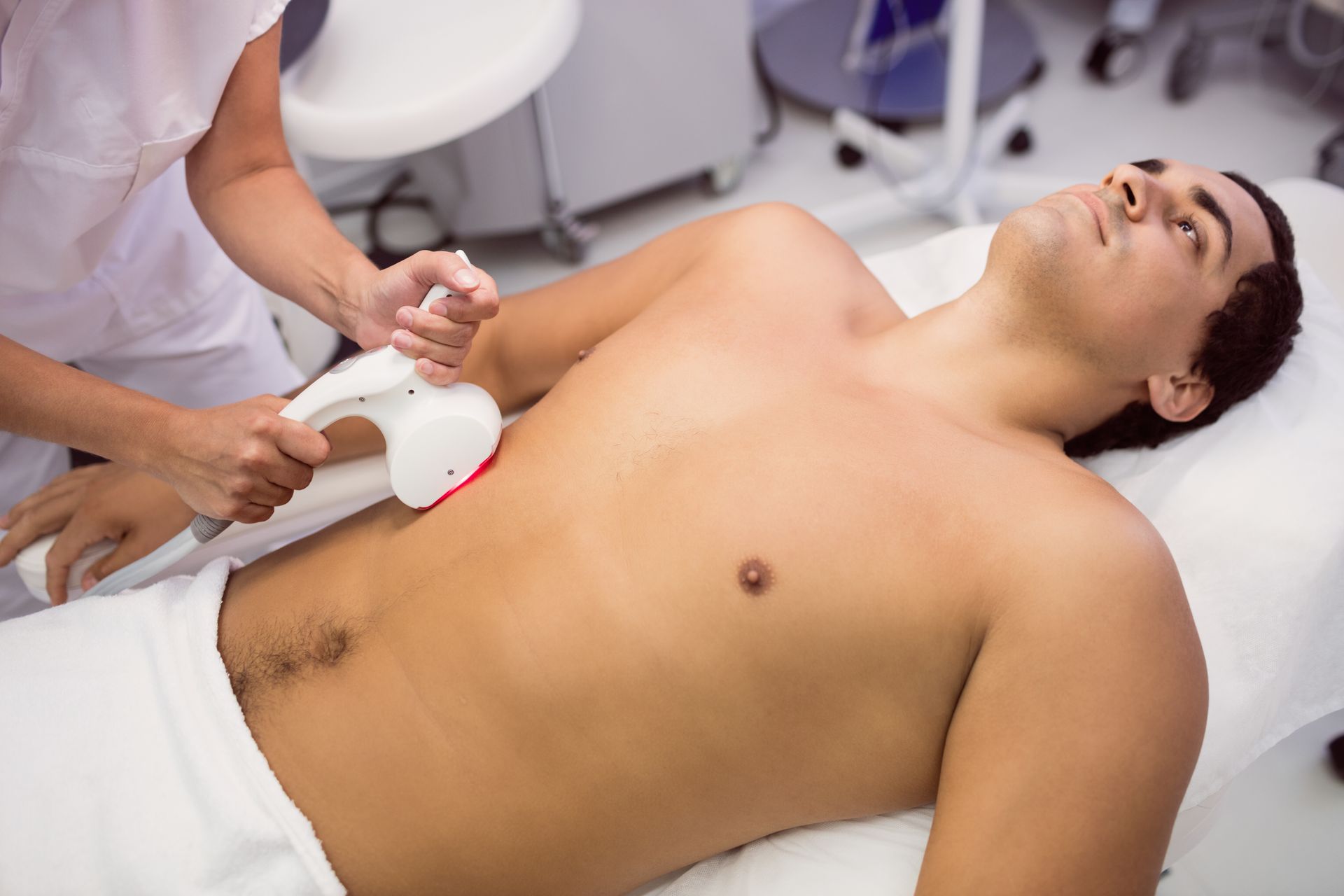
LED light therapy
Red and blue light help reduce inflammation and bacteria, complementing extraction results.
A skilled aesthetician will guide you toward the safest and most effective option for your skin type.
What Extractions Cannot Replace: Professional Medical Care
If you have:
• Severe acne
• Cystic breakouts
• Painful nodules
• Hormonal flare-ups
• Deep scarring
Then extraction-based facials are only supportive. Dermatological treatments such as prescription topical medications, oral antibiotics, spironolactone, or isotretinoin might be necessary.
A good skin clinic understands when to refer you onward — and that distinction protects your skin and long-term results.
Aftercare: Protecting Your Skin After Extractions
What you do after a facial significantly affects how your skin responds.
Avoid picking
Your pores are freshly cleared and vulnerable. Picking introduces bacteria.
Avoid heavy makeup for at least 24 hours
Let the skin settle and breathe.
Use gentle products
Soothing, hydrating ingredients like aloe vera, niacinamide, hyaluronic acid, and light moisturizers reduce inflammation.
Avoid exfoliating for 2–3 days
Your skin has already undergone stimulation. Over-exfoliating can cause sensitivity or new breakouts.
Stay out of harsh sun
Use SPF because freshly treated skin can be more reactive to UV exposure.
Proper aftercare prevents irritation and prolongs the benefits.
When to See a Professional
You should consult a qualified aesthetician if:
• Your pores constantly feel clogged
• You’re experiencing repeated blackheads or whiteheads
• Home exfoliation isn’t making a difference
• Makeup settles into bumps or texture
• You have acne-prone skin and need a maintenance plan
Choosing a reputable professional matters. Extractions require skill, sanitation, and judgment. A clinic that prioritizes skin health — like Huggie Beauty — focuses on gentle techniques, customized treatment plans, and ensuring your skin stays safe through every step.
Conclusion: Extractions Are Helpful — When Done Mindfully
Extractions are not a magic cure for every skin concern, nor are they a quick fix for pore size or severe acne. But when performed by a trained expert, they are a powerful tool for managing congestion, improving texture, and supporting long-term skin clarity.
Understanding what they do — and what they don’t — helps you make informed decisions about your treatments. With the right aftercare, professional guidance, and a routine tailored to your skin type, extractions can be part of a healthy, sustainable pathway to clearer, smoother, and more balanced skin.
BOOK YOUR FREE SESSION