How Laser Targets Hair Follicles Without Damaging Skin
Laser hair removal is one of the most requested aesthetic treatments today — not only because it reduces unwanted hair, but because it does so without harming the surrounding skin. Still, many people have reasonable questions: How can a laser be strong enough to disable a hair follicle and yet gentle enough not to burn the skin? What if someone has darker skin or lighter hair? And is it really safe over the long term?
This guide explains the science in a simple way, so you can feel completely confident and informed before choosing the treatment.
Understanding Pores: What Extractions Do (and Don’t Do)
The Science Behind Laser Hair Removal
Laser technology uses a principle called Selective Photothermolysis. It sounds complicated, but the concept is quite straightforward.
Laser light is absorbed by a specific target — in this case, melanin, the pigment in the hair shaft and follicle. When the laser’s wavelength is tuned to this pigment:
• It heats the follicle
• It disrupts the follicle’s ability to grow hair
• It leaves surrounding skin structures untouched
Think of it like sunlight shining through a magnifying glass. Only the targeted area underneath gets heated because that’s where the energy is concentrated.
Why the Skin Isn’t Damaged
The skin surface contains less melanin compared to the hair root. With advanced modern lasers, the wavelength and pulse duration are precisely calibrated so the energy dives deep into the follicle — not the outer skin.
There are three key protection mechanisms at play:
1. Selective absorption
The energy seeks out melanin-rich structures. Hair contains more pigment than skin, so the follicle absorbs the heat first.
2. Controlled pulse timing
The laser fires in quick pulses. This allows the follicle to heat up while the skin has time to cool down between pulses.
3. Cooling systems
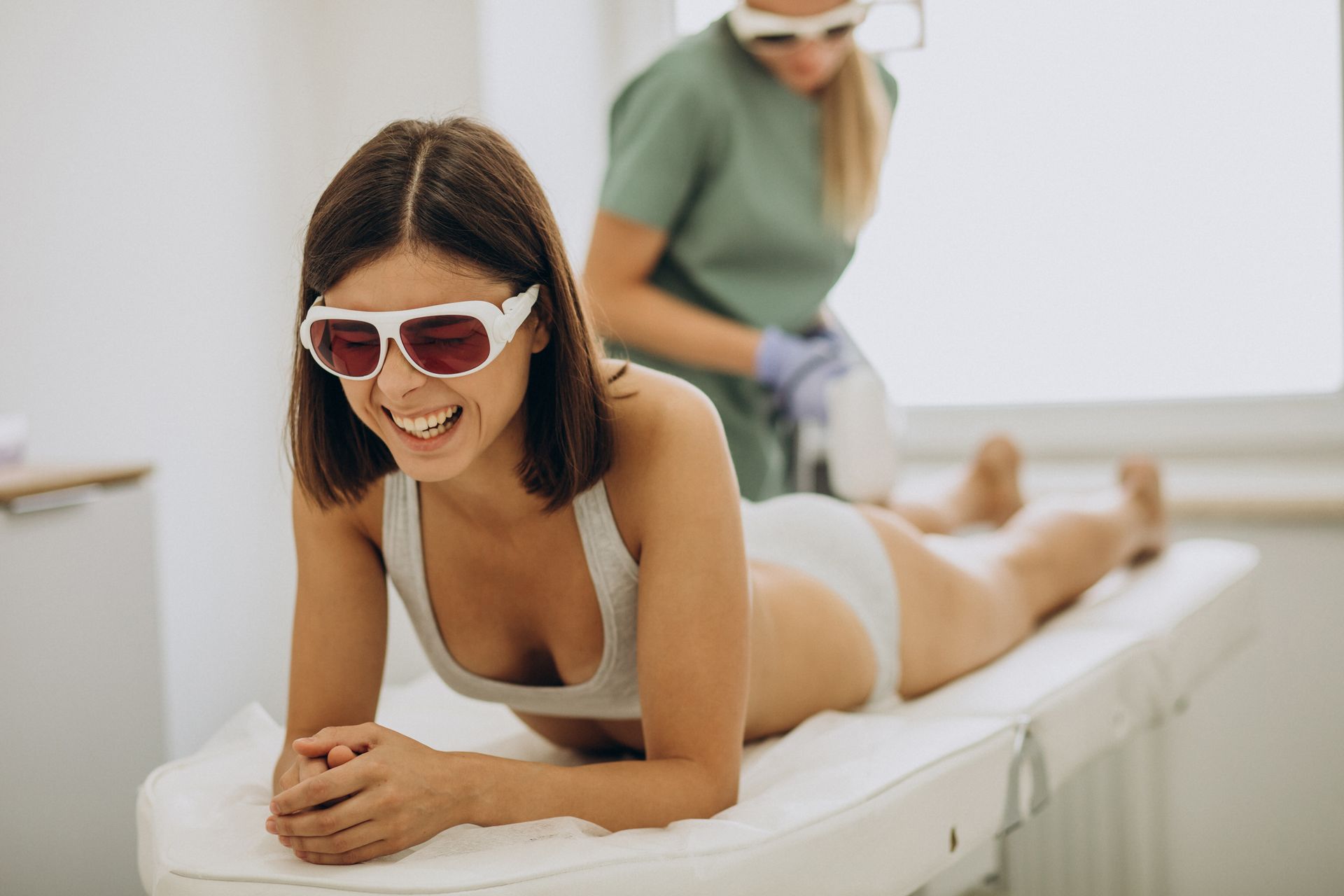
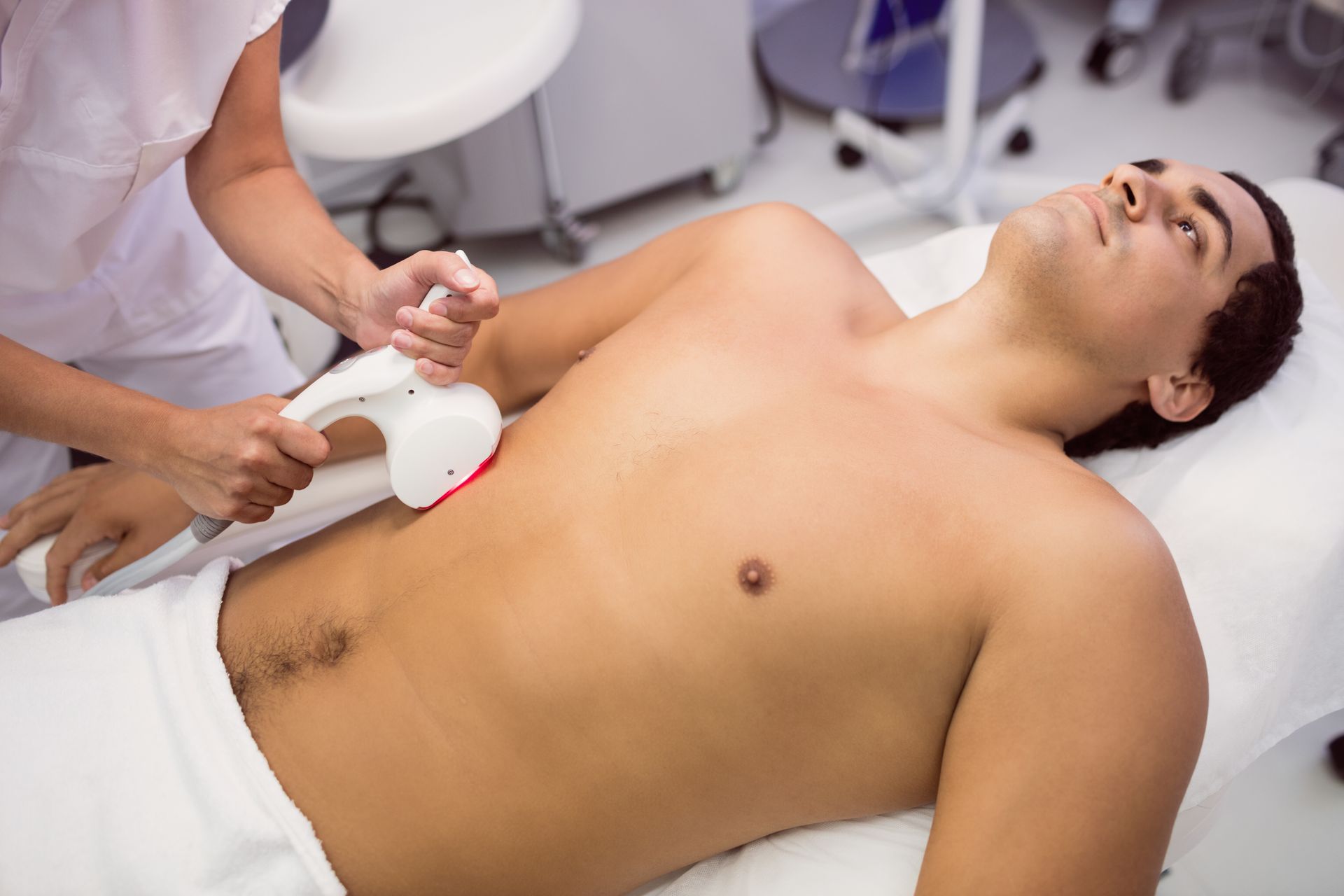
Most professional devices use cooling tips, chilled air, or cryogen sprays that protect the epidermis and ease discomfort.
These safety layers make it possible to damage the follicle while preserving the surrounding tissue.
There’s a Catch: Hair Must Be in the Right Stage
Laser works best when hair is in the anagen (active growth) phase. During this stage, the follicle is attached to the blood supply and full of melanin — making it a perfect target.
Not all hairs grow at the same time. Some are resting, some shedding. This is why multiple sessions are required, usually spaced 4–6 weeks apart, to capture new hairs when they re-enter the growth phase.
Patience leads to results. Most people see a gradual reduction after each visit, and the most dramatic improvement after a full series of sessions.
How Does Laser Treat Different Skin and Hair Types?
Older technology worked best on people with light skin and dark hair. Today, things are different. Modern lasers are designed with multiple wavelengths to safely treat a broader range of skin tones and hair variations.
For deeper skin tones
Nd:YAG lasers penetrate deeper and bypass much of the skin’s pigment, minimizing risk of damage.
For lighter or finer hair
Diode or Alexandrite lasers can more efficiently target lower pigment levels.
This customization is crucial. A trained specialist will evaluate your unique characteristics — including hair thickness, density, color, skin type, and treatment area — to select the safest and most effective setting.
Why You Shouldn’t Laser Over Tattoos or Moles
Melanin is still the target. Tattoos and some darker moles contain concentrated pigment. The laser may:
• Cause burns
• Trigger fading or discoloration
• Create unnecessary inflammation
Professionals always avoid these spots or use protective coverings.
Does Laser Hurt the Skin Long-Term?
When performed properly at a reputable clinic, laser hair removal does not cause long-term skin damage. Instead, you may experience temporary reactions such as:
• Mild redness
• Warmth in the skin
• Follicular edema (tiny raised bumps)
These are normal and usually settle within hours.
Risks become more likely only when:
• Incorrect equipment is used
• Settings are inappropriate for the client’s skin tone
• Technicians lack medical or laser knowledge
Which is why choosing trained professionals matters just as much as choosing the treatment itself.
How Skin Can Improve After Laser
Many clients notice bonus skin benefits, especially in areas prone to irritation:
• Fewer ingrown hairs
• Less razor burn
• Smoother texture
• Reduction in inflammation and pigmentation from shaving
By reducing friction and repeated trauma, laser can actually make the skin healthier over time.
Pre-Care and Aftercare Matter Just as Much
To keep the skin protected and results optimal, simple guidelines help:
Before treatment:
Avoid tanning, sun exposure, and topical irritants like retinoids or scrubs. Shave only — do not wax — so the follicle remains intact for targeting.
After treatment:
Stay away from heat, exercise, or hot showers for 24–48 hours. Use soothing, fragrance-free products. Apply SPF daily to prevent pigmentation.
These steps support safety and long-term success.
When to Be Cautious
Laser may not be recommended if you:
• Are pregnant
• Have very light or grey hair with no melanin
• Have open wounds or active infections
• Are using certain medications (like photosensitizers or isotretinoin)
A responsible clinic will never rush you into treatment — instead, they will review your history thoroughly to ensure suitability.
Why Professional Expertise Matters
Laser hair removal is a medical-grade aesthetic procedure. It involves knowledge of:
• Skin biology
• Energy-based devices
• Pigment interaction
• Thermal safety
• Hair growth physiology
When guided by a trained aesthetic professional, the right settings bring powerful results while protecting the skin — the balance that makes laser so effective.
Huggie Beauty prioritizes that balance every step of the way, with a gentle but meticulous approach to care.
Conclusion: Precision Makes Laser Both Safe and Effective
Laser hair removal is successful because it targets the very pigment that fuels hair growth, while safeguarding the tissue around it. When delivered with the right technology and under skilled supervision, it strikes the perfect harmony: strong enough to disrupt the follicle, gentle enough to preserve the skin.
Understanding the science helps you choose confidently, knowing your skin is respected, protected, and supported throughout the journey toward smoother, lower-maintenance results.
BOOK YOUR FREE SESSION