Top 5 Myths About Facials Debunked by Skin Experts
Facials are one of the most sought-after treatments in skincare — yet they also come with some common misunderstandings. Some people believe facials should deliver overnight transformations. Others are nervous that they might cause breakouts or make their skin dependent on treatments. And many wonder whether facials are even necessary if they use good products at home.
These concerns are understandable. When your skin is involved, you want clarity, not confusion. So, let’s address the most common myths and what licensed skin experts actually want you to know.
Understanding Pores: What Extractions Do (and Don’t Do)
Myth 1: “Facials are only for pampering.”
Facials indeed feel relaxing. But they are far more than a luxury indulgence.
Professional facials focus on skin health beneath the surface. A trained esthetician assesses hydration levels, barrier strength, inflammation, and congestion. They can spot early concerns — like sun damage, clogged pores, or sensitivity — before they become larger problems.
Home skincare addresses what you can see. Facials treat deeper layers and restore what your skin may be missing: a balanced microbiome, improved circulation, cell turnover, and customized ingredient delivery.
Facials feel good — and they do good.
Myth 2: “My skin will become dependent on facials.”
You will not damage your skin by improving its health.
A healthy routine and consistent facials work together to maintain results. The treatment doesn’t make your skin weaker. Instead, it supports its natural renewal processes — the ones that slow down due to age, stress, and the environment.
Your skin will still function when you skip a session. But like exercise or dental cleanings, the best benefits come from consistency, not one-time visits.
Your skin doesn’t become dependent. It simply flourishes with care.
Myth 3: “Facials cause breakouts — so they’re not right for acne-prone skin.”
Post-facial breakouts are not a sign that facials aren’t working. In many cases, they happen because the treatment has purged impurities already forming beneath the skin.
Professional acne treatments often include:
• Controlled extractions
• Anti-inflammatory ingredients
• Bacteria-targeting light therapy
• Exfoliation to prevent future clogs
Breakouts usually settle quickly as the skin adjusts to a clearer cycle. Severe or prolonged acne flare-ups are a sign the products or method weren’t suitable, which highlights the importance of trained professionals who consider sensitivity, barrier health, and medication history.
A good facial supports acne healing, not the opposite.
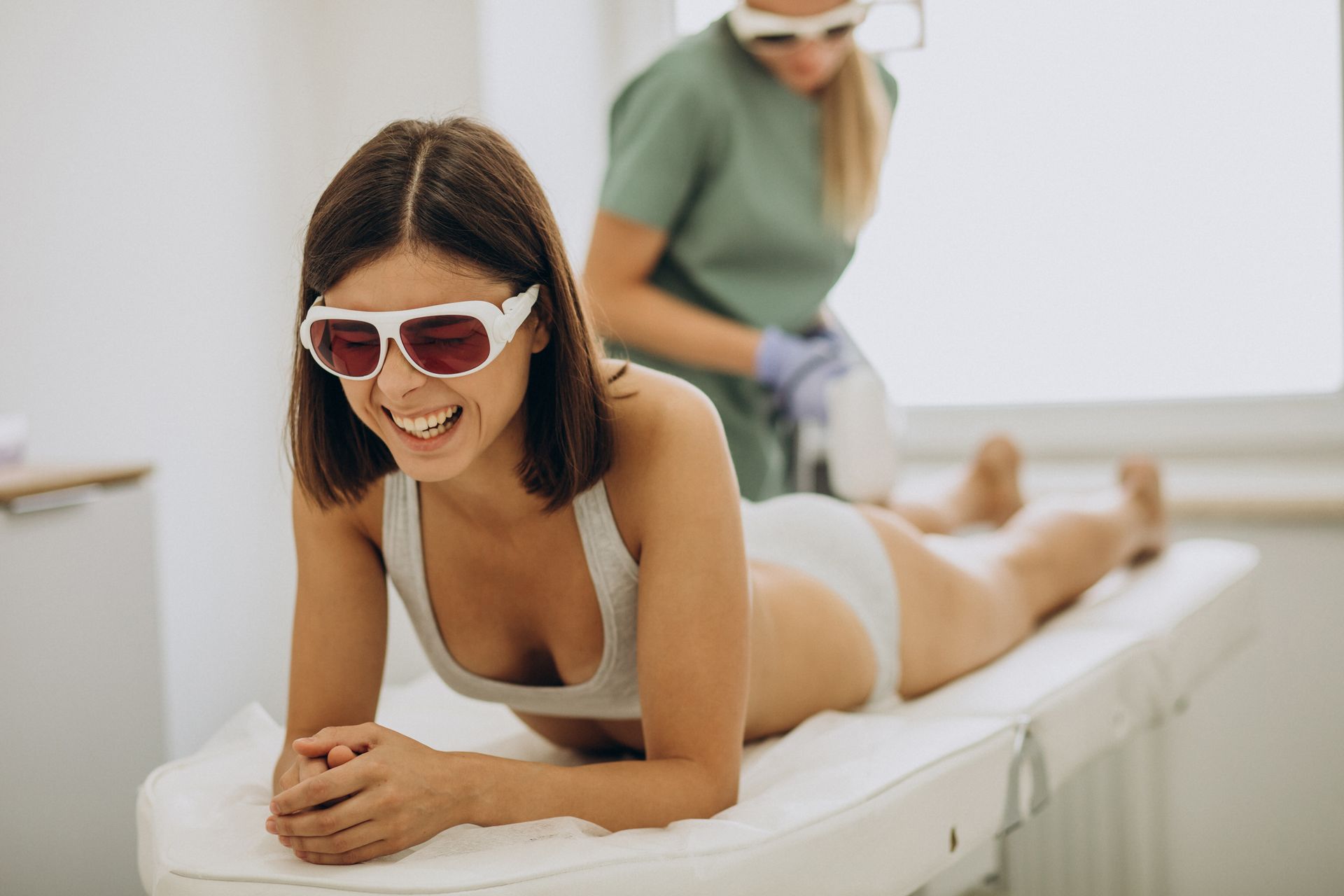
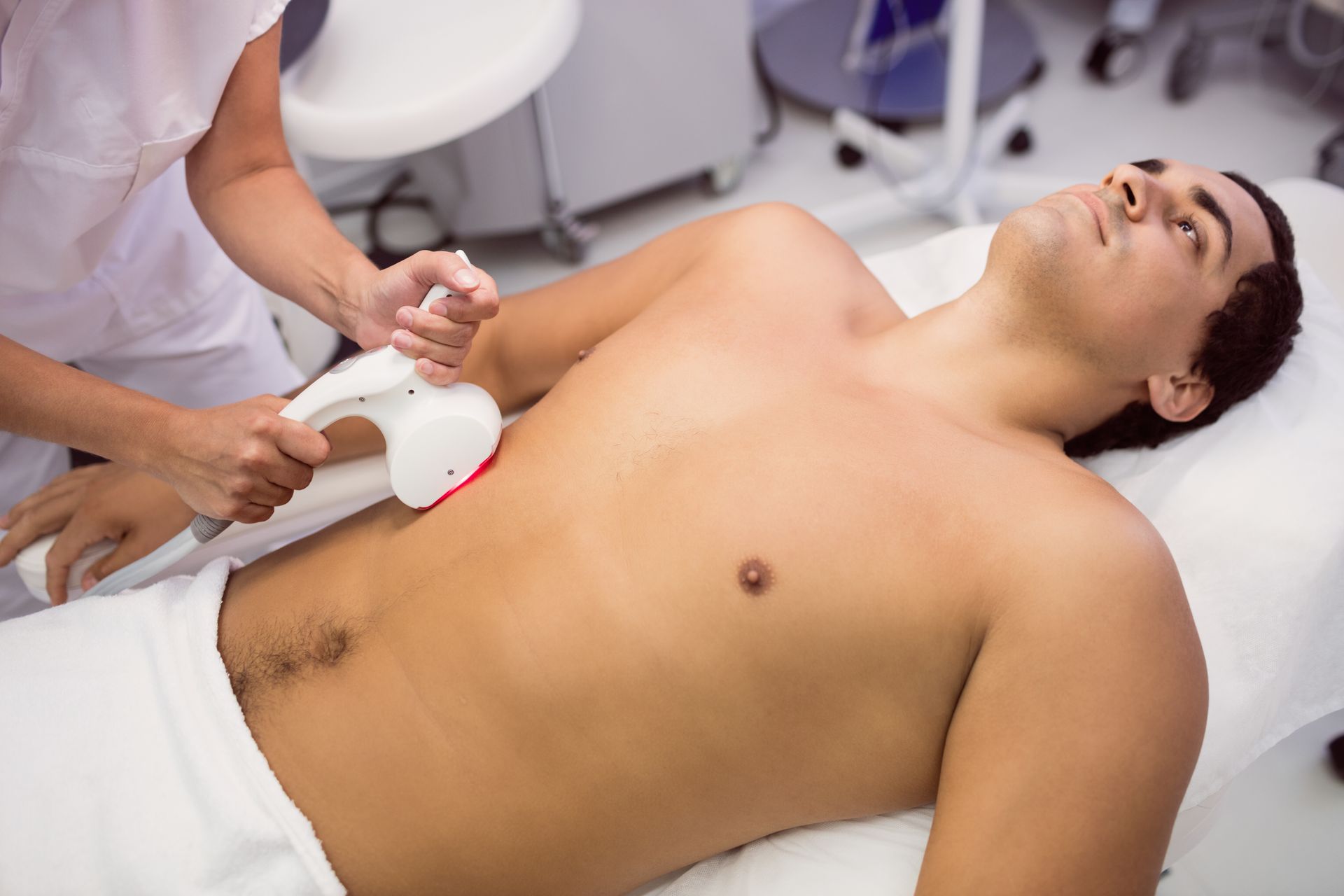
Does Laser Hair Removal Affect the Skin’s Texture?
Myth 4: “All facials give results that last only a few days.”
The post-facial glow is undeniably satisfying. But improvements can last weeks when the treatment works deeper.
Results depend on the type of facial:
• Hydrating facials → primarily surface refresh
• Anti-aging and LED facials → collagen support with longer-lasting firmness
• Chemical exfoliation → fresh skin with smoothness for weeks
• Acne-focused treatments → reduced congestion over time
Daily home care is a major factor. Sunscreen, barrier support, and hydration prevent results from fading too soon. A one-hour treatment can have a long-term impact when combined with the right routine.
Short-lived radiance is not the only benefit facials offer.
Myth 5: “Anyone can do a facial — so the provider doesn’t matter.”
This is one of the most dangerous assumptions.
Skin is complex. Ingredients, exfoliation strength, device settings — they all vary depending on your skin’s condition, ethnicity, medication use, and sensitivity level.
In untrained hands, facials may result in:
• Burns
• Pigmentation
• Barrier damage
• Persistent irritation
A qualified esthetician tailors every product and step to the skin they are treating. They assess changes each visit and adjust your plan accordingly.
The right provider protects your skin as much as they improve it.
The Truth: Facials are Personalized Skin Health Care
A facial is not simply a massage for the face. It’s a professional treatment that:
• Supports long-term skin health
• Prevents and corrects concerns
• Improves circulation and repair
• Strengthens the barrier
• Boosts product absorption
• Makes home care work better
But no single treatment fits everyone. Your biology, lifestyle, climate, age, and stress load all influence which approach will help or harm.
That’s why expert guidance matters — not just for effectiveness, but for safety and confidence.
How to Get the Most from Your Facial
Think of your skin therapist as a long-term partner in your skincare goals. Share what you feel, not just what you see:
• Are you breaking out from stress?
• Are you over-exfoliating at home?
• Did your skin react to a new product?
This collaboration leads to better-tailored treatments and more lasting improvement.
At Huggie Beauty, the focus is always on education and individualized care — helping clients understand why their skin behaves the way it does so every decision supports long-term health, not quick fixes.
Conclusion: Facials Work Best When You Know the Truth
Facials are not a gimmick or an unnecessary luxury. They are smart, science-backed care designed to restore balance, stimulate renewal, and guide your skin into healthier patterns.
When you set realistic expectations and trust a qualified expert, facials become a powerful part of your skincare routine — boosting confidence while building lasting resilience in your skin.
Because great skin isn’t an accident. It’s a relationship with care, consistency, and clarity.
BOOK YOUR FREE SESSION