Why Consistency Matters More Than Expensive Products for Skincare
Walk into any beauty store, and you’ll find shelves lined with luxurious packaging and premium price tags promising miracles. It’s easy to believe that the more you spend, the better your skin will look. But here’s the truth skincare experts emphasize again and again:
Healthy skin is not built in a single purchase.
It’s built into the daily habits that support it.
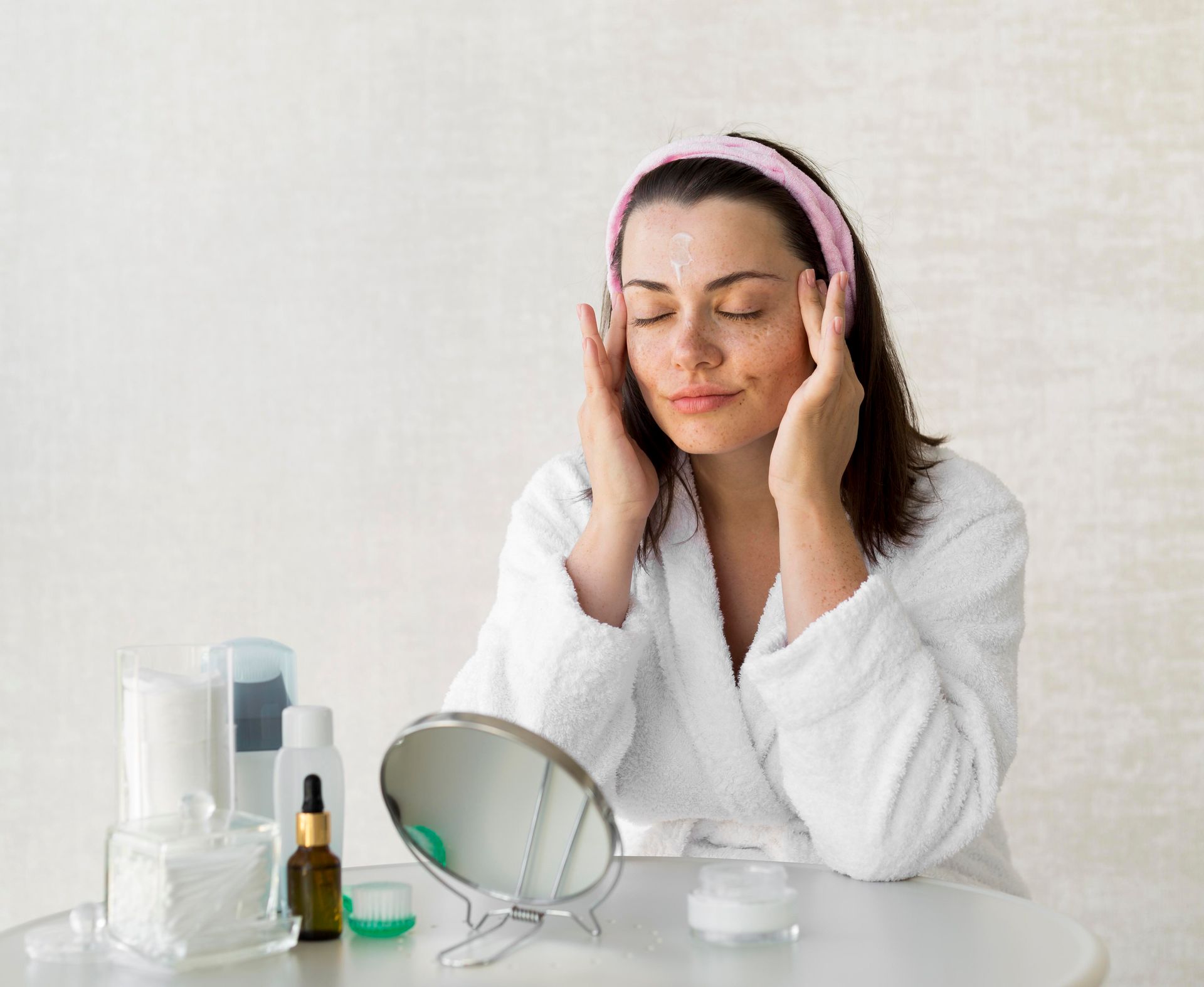
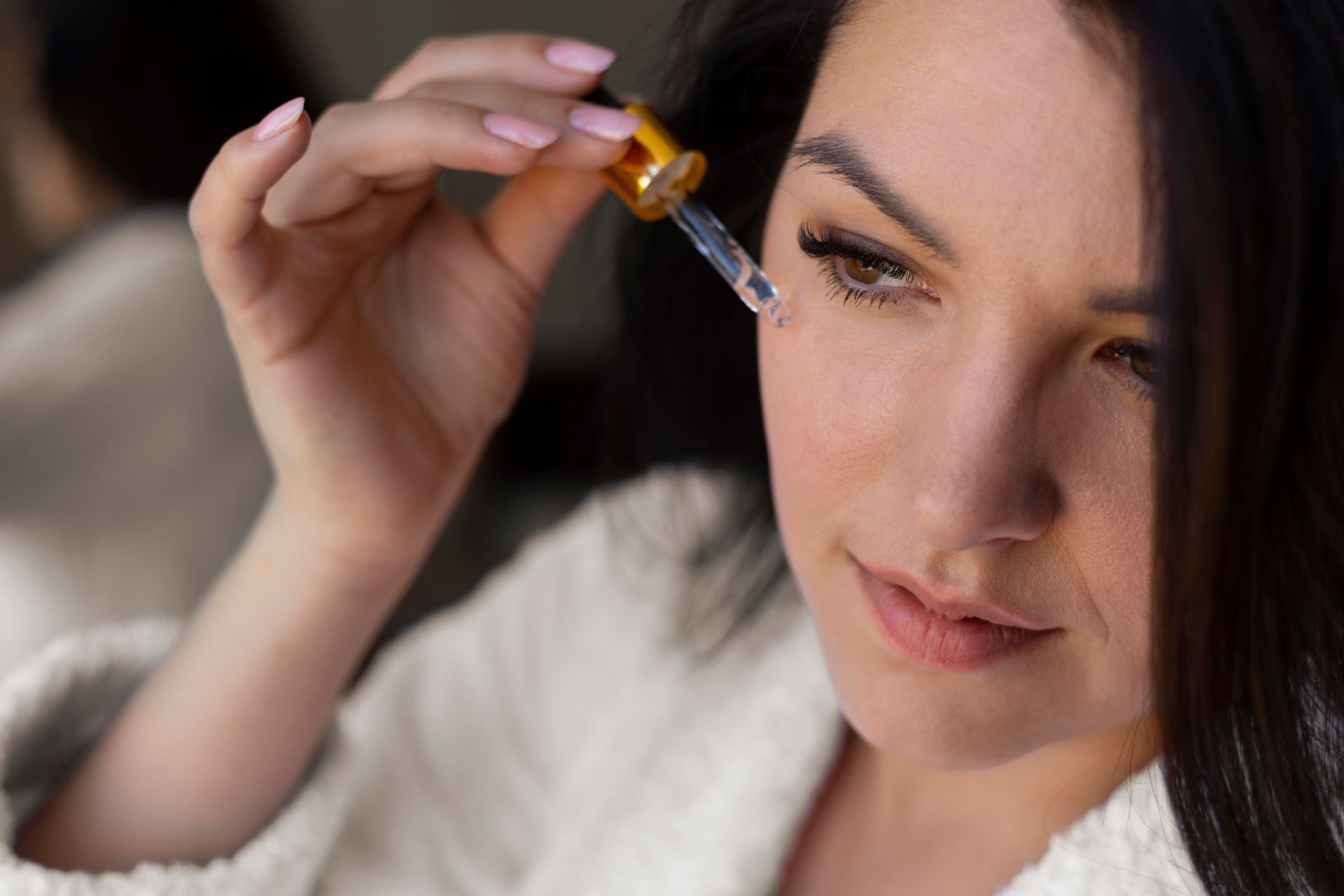
The most effective routine doesn’t need to be expensive. It needs to be consistent.
So let’s explore why consistency is the real key to results—and how you can make your routine work smarter, not pricier.
Top 5 Myths About Facials Debunked by Skin Experts
Why Skin Responds Better to Consistency
Your skin is constantly renewing itself. On average, a complete skin cell turnover happens every 28–40 days. Young skin renews faster, and mature skin takes more time. This means one product application can’t make a structural change. The skin needs ongoing support to correct and strengthen itself.
Daily routines help:
• Maintain hydration and a strong skin barrier
• Regulate oil production
• Improve skin tone and texture gradually
• Reduce inflammation and damage over time
Even if a product contains excellent ingredients, using it sporadically won’t allow the skin to benefit.
Just like exercise builds muscle through repetition, skincare builds results through routine.
The Illusion of Quick Fixes
Marketing often promises instant transformation. A cream that erases wrinkles overnight or a serum that permanently clears acne in one week sounds exciting—but it sets unrealistic expectations.
Most visible improvements come from:
• Repaired barrier function
• Deeper collagen activation
• Balanced microbiome
• Controlled inflammation
And these processes take time. Expensive products may feel luxurious, but without patience and regular use, their potential goes to waste.
Real change is gradual, not sudden.
Why Expensive Doesn’t Equal Better
High-end skincare brands often invest heavily in packaging, brand image, and advertising. Some also contain fantastic, clinically proven ingredients—but those same ingredients are often available at accessible price points too.
Cosmetic chemists remind us that:
• Vitamin C is vitamin C — whether the bottle is simple or designer
• Retinoids remain the backbone of anti-aging — not luxury creams
• Gentle cleansers and daily sunscreen outperform trendy actives
What matters most is the correct formulation and how well it suits your skin type.
The right basics outperform premium products that don’t address your needs.
The Science Behind Exfoliation: How Facials Rejuvenate Skin
Skin Function Thrives on Routine
Your skin loves predictability. When you follow a regular regimen, the barrier stabilizes. Oil and moisture levels stay balanced. Exfoliation happens at a healthy pace instead of chaotically.
But when routines constantly change? The skin becomes confused:
• Too many actives cause irritation
• New products every week shock the barrier
• Overwashing removes essential lipids
• Inconsistency weakens progress
Routines are like rhythms your skin relies on. If the beat keeps changing, it can’t stay steady.
The Secret is Simple: Core Products, Daily Use
A healthy routine doesn’t require ten different steps. Even a minimal regimen can strengthen the skin if maintained regularly.
The most important products in skincare are:
• Cleanser
• Moisturizer
• Sunscreen
These three alone protect the barrier, prevent dryness, and slow early aging. Targeted treatments—like retinol, exfoliants, and antioxidants—can be added thoughtfully when needed.
It’s better to master the basics than chase the next big trend.
Consistency Keeps Results Stable Between Facials and Treatments
Professional treatments deliver quick and visible improvements. But their benefits fade faster without good home care.
Daily habits:
• Maintain hydration after hydrating facials
• Keep pores clean after extractions
• Prolong glow from brightening treatments
• Support collagen growth after anti-aging procedures
The clinic sets the foundation. Your routine preserves it.
Beautiful skin comes from partnership—expert care plus daily commitment.
Invest Where It Matters Most: Knowledge and Discipline
Instead of constantly shopping for new products, skincare professionals encourage:
• Understanding your skin concerns clearly
• Using the right actives in the right quantity
• Allowing time for visible progress
• Tracking what helps and what harms
A well-planned routine often costs less—and performs better—than a trendy collection of unused bottles.
Your behavior matters more than your budget.
The Emotional Side of Consistency
Skincare is not only physical care. It’s emotional reassurance.
When you commit to your routine:
• You build confidence in your own efforts
• You experience progress that feels earned
• You form habits that support long-term well-being
Results feel deeper because you helped create them.
Conclusion: The Most Expensive Product Is the One You Don’t Use Consistently
Beautiful skin isn’t about luxury. It’s about loyalty — loyalty to the daily choices that support your skin’s health.
You don’t need to spend more.
You need to show up more.
Stick to a routine that suits your skin, give it time, and let improvements unfold gradually. With consistency, even simple products become transformative.
Because when it comes to skincare, your best investment isn’t the product on the shelf — it’s the care you give your skin every day.
BOOK YOUR FREE SESSION