Laser Hair Removal for Bodybuilders: Why It’s a Game-Changer

Hagar Vaknin • December 24, 2025

For bodybuilders, grooming isn’t just about appearance—it’s part of the sport. Whether it’s stepping on stage under harsh lighting, tracking muscle definition during training, or managing sweat and skin health, body hair can quickly become more than a cosmetic issue. This is why laser hair removal has become increasingly popular among professional and amateur bodybuilders alike.

Unlike shaving or waxing, which require constant upkeep and often irritate the skin, laser hair removal offers a long-term, skin-friendly solution that aligns well with the demands of bodybuilding.


Beard Line Laser Hair Removal: Shaping Facial Hair the Modern Way


Why Bodybuilders Care About Hair Removal More Than Most

In bodybuilding, muscle definition is everything. Dense body hair can obscure separation, striations, and symmetry—details judges and athletes pay close attention to. Even outside competitions, many bodybuilders prefer smooth skin to better visualize muscle growth and progress during training.

Traditional hair removal methods often fall short. Shaving needs to be done frequently and can cause razor burn, cuts, and ingrown hairs. Waxing removes hair for longer but is painful, can inflame the skin, and may interfere with training schedules. Laser hair removal addresses these problems at the root—literally.


What Makes Laser Hair Removal Different for Athletes

Laser hair removal targets the pigment in hair follicles using controlled energy. Over multiple sessions, the follicle weakens and produces finer, slower-growing hair or stops growing altogether. For bodybuilders, this means smoother skin with significantly less maintenance.

Because laser treatments reduce hair density rather than just cutting hair at the surface, they also reduce common issues like folliculitis, ingrown hairs, and post-shave irritation—problems that are amplified by sweat, tight clothing, and frequent showers.


Key Benefits of Laser Hair Removal for Bodybuilders

One of the biggest advantages is long-term consistency. Once a treatment course is completed, hair regrowth becomes minimal and predictable, which is ideal for athletes who need to stay stage-ready or photoshoot-ready throughout the year.

Laser hair removal also improves skin texture. With fewer ingrown hairs and less inflammation, the skin appears smoother and healthier—important when oils, tans, and lighting highlight every detail on competition day.

Another benefit is hygiene and comfort. Less body hair can mean reduced sweat retention and fewer clogged pores, especially on areas like the chest, back, shoulders, and legs.


New AI & Cooling Technologies in Laser Hair Removal (2025 Trends)


Common Treatment Areas for Bodybuilders

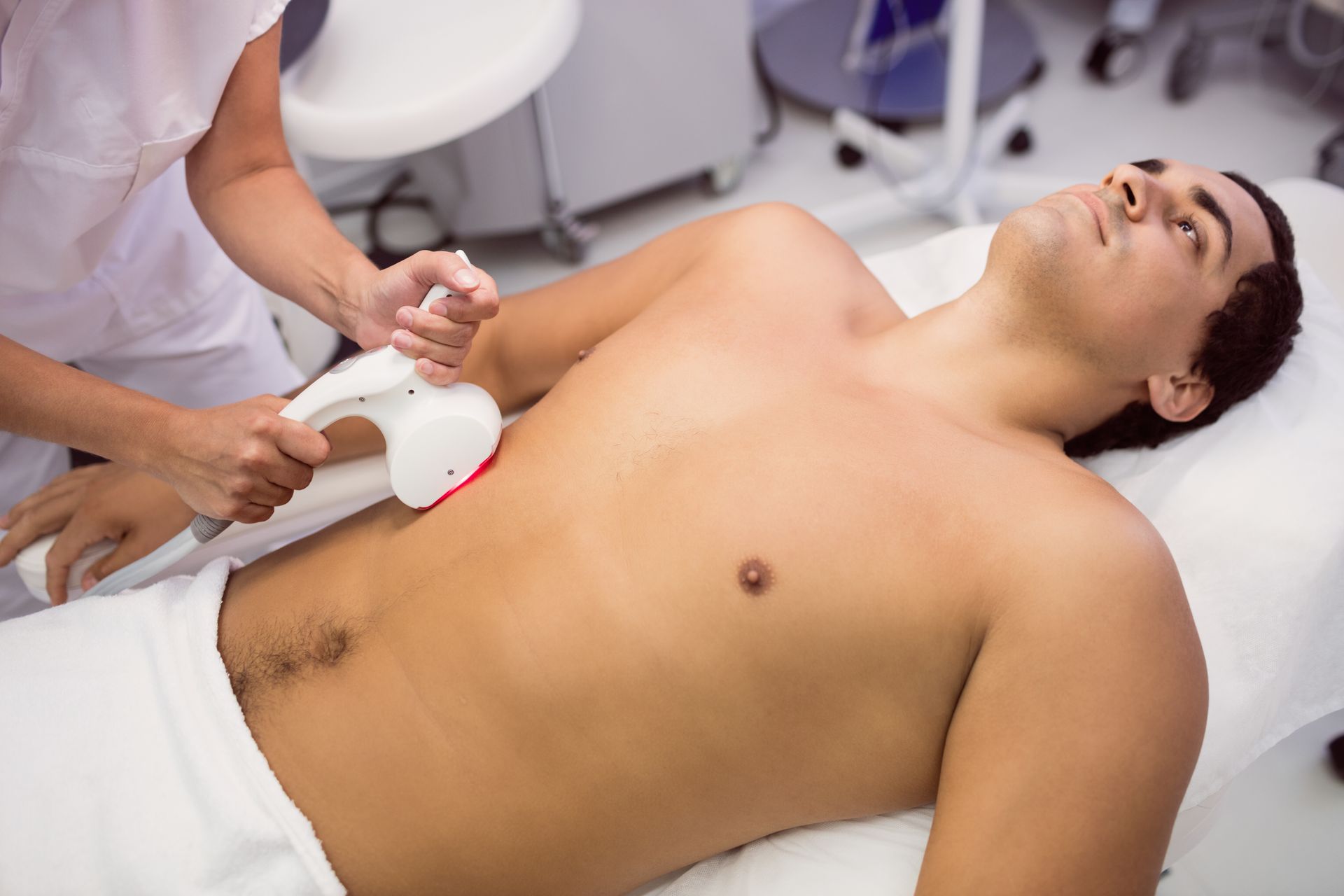
Bodybuilders often choose laser hair removal for large surface areas that are difficult to manage with shaving. The chest and abdomen are popular because hair growth can obscure core definition. The back and shoulders are also common choices, as these areas are hard to shave properly and prone to ingrowns.

Arms, legs, and even the glutes may be treated for competition prep, while some athletes also opt for neck and beard line treatments to maintain a clean upper-body appearance.


How Training and Supplements Affect Laser Results

Bodybuilders often ask whether intense training or supplements interfere with laser hair removal results. In general, exercise does not negatively affect treatment outcomes, but timing matters. It’s best to avoid heavy workouts immediately before and after sessions to reduce irritation and friction on freshly treated skin.

Hormonal fluctuations—whether natural or supplement-related—can influence hair growth patterns. Higher androgen levels may lead to more stubborn regrowth, meaning some bodybuilders might need additional sessions or maintenance treatments. A skilled professional accounts for this when planning a treatment course.


What to Expect During and After Treatment

Laser sessions for large areas can take anywhere from 15 minutes to over an hour, depending on the body part. Modern laser systems use advanced cooling technologies to keep discomfort manageable, even on sensitive or muscular areas.

After treatment, mild redness or warmth is normal and usually subsides within a few hours. Proper aftercare—such as gentle cleansing, moisturizing, and sun protection—helps ensure smooth recovery and better results.

Importantly, laser hair removal doesn’t remove hair overnight. Treated hair sheds gradually over one to three weeks, and multiple sessions are needed to target hair in different growth phases.


Is Laser Hair Removal Safe for Muscular, Low-Fat Skin?

Yes, when performed correctly. Bodybuilders often have low body fat and well-defined musculature, which requires precise technique and appropriate laser settings. An experienced practitioner understands how to adjust energy levels and cooling to suit different body compositions and skin tones.

This is why choosing a reputable clinic matters. Proper assessment, patch testing when needed, and individualized treatment plans reduce the risk of burns, pigmentation issues, or uneven results.


Laser vs. Shaving and Waxing for Competition Prep

Shaving before competitions can leave visible stubble within days and increase the risk of razor bumps—especially when combined with tanning products. Waxing lasts longer but can leave redness, bruising, or sensitivity that interferes with posing or stage appearance.

Laser hair removal, while requiring planning ahead, offers a cleaner and more stable result. Many bodybuilders begin treatments months before competition season so their skin is calm, smooth, and hair-free when it matters most.


When to Start Laser Hair Removal as a Bodybuilder

Timing is key. Starting laser hair removal at least six to nine months before a major competition allows enough time to complete initial sessions and see significant reduction. Maintenance sessions can then be scheduled strategically without disrupting training or peak week preparation.

For non-competitive bodybuilders, starting at any time of year is fine, as long as sun exposure and training schedules are considered.


A Smarter Grooming Strategy for Serious Athletes

Laser hair removal has become a game-changer for bodybuilders because it aligns with their lifestyle—disciplined, long-term, and results-driven. It reduces daily grooming stress, improves skin health, and enhances muscle visibility without constant irritation.

When guided by trained professionals and realistic expectations, laser hair removal isn’t just a cosmetic upgrade—it’s a practical investment in comfort, confidence, and performance-ready presentation.

BOOK YOUR FREE SESSION

Beard Line Laser Hair Removal: Shaping Facial Hair the Modern Way
By Hagar Vaknin December 22, 2025
Beard line laser hair removal offers a modern way to shape facial hair with precision. Learn how it works, who it’s for, results timeline, safety, and aftercare tips.
New AI & Cooling Technologies in Laser Hair Removal (2025 Trends)
By Hagar Vaknin December 22, 2025
Explore the latest 2025 trends in laser hair removal, including AI personalization and advanced cooling technologies that make treatments safer, more comfortable, and more effective.
By Hagar Vaknin December 20, 2025
How does pain-free laser hair removal work? Learn the technology behind cooling systems, energy delivery, and why modern lasers reduce discomfort without reducing results.
IPL vs Diode vs Alexandrite vs Nd:YAG – Which Is Best for YOU?
By Hagar Vaknin December 19, 2025
IPL vs Diode vs Alexandrite vs Nd:YAG: Compare laser hair removal technologies to find the right choice for your skin tone, hair type, safety, and results.
By Hagar Vaknin December 18, 2025
Hidradenitis suppurativa (HS) is not just a skin condition—it is a chronic, often painful disease that can deeply affect quality of life. Recurrent boils, abscesses, scarring, and inflammation in areas like the underarms, groin, inner thighs, and buttocks make everyday activities uncomfortable and emotionally exhausting. For many people living with HS, managing hair in these areas becomes an added challenge, as shaving or waxing often worsens flare-ups. This has led to growing interest in laser hair removal as part of HS management. But is it safe? Does it actually help? And what should you realistically expect if you pursue laser hair removal with hidradenitis suppurativa? Understanding how HS develops—and how laser treatment interacts with affected skin—can help you make an informed, confident decision. Laser Hair Removal for Keratosis Pilaris: Does It Help “Chicken Skin”? Understanding Hidradenitis Suppurativa at Its Root Hidradenitis suppurativa is a chronic inflammatory condition that affects hair follicles, not sweat glands as once believed. The condition begins when hair follicles become blocked, inflamed, and eventually rupture beneath the skin. This leads to painful nodules, tunnels under the skin (sinus tracts), scarring, and repeated infections. Because HS originates in the hair follicle, any treatment that reduces follicular activity has the potential to help manage symptoms. This is the scientific basis behind using laser hair removal as a supportive therapy. Why Hair Removal Is So Challenging for HS Patients Traditional hair removal methods are particularly problematic for people with HS. Shaving causes micro-cuts and friction, which can trigger inflammation. Waxing and threading pull hair from the root, further irritating already sensitive follicles and increasing the risk of flare-ups. Even leaving hair untouched can contribute to friction, bacterial buildup, and clogged follicles in areas where skin rubs together. This creates a frustrating cycle where every option seems to worsen symptoms. How Laser Hair Removal Can Help Hidradenitis Suppurativa Laser hair removal works by delivering targeted heat to the hair follicle, damaging its ability to produce hair. Over time, this significantly reduces hair density and follicular activity. For HS, fewer active follicles mean fewer opportunities for blockage and inflammation. By reducing one of the key triggers of the disease, laser hair removal can help decrease the frequency and severity of flare-ups in some patients. It is important to note that laser hair removal is not a cure for hidradenitis suppurativa. However, it is increasingly recognized as a supportive treatment that may improve symptom control and quality of life.  What the Research Suggests Clinical studies and dermatological experience suggest that laser hair removal—particularly with certain laser types—can lead to fewer lesions, reduced inflammation, and longer periods between flares for people with mild to moderate HS. Results tend to be more noticeable when treatment is started early, before extensive scarring and sinus tracts develop. Advanced HS may still benefit, but expectations must be carefully managed. Who Is a Good Candidate for Laser Hair Removal With HS Laser hair removal is generally considered most suitable for individuals with mild to moderate hidradenitis suppurativa who experience recurring lesions in hair-bearing areas. Candidates should have relatively stable skin without widespread active infection at the time of treatment. Areas with open wounds, draining lesions, or severe inflammation are typically avoided until the skin has calmed. Skin tone, hair color, and overall disease activity all influence whether laser treatment is appropriate, which is why professional evaluation is essential. What to Expect Before Treatment Begins A thorough consultation is critical. The provider will assess the stage of HS, current flare activity, scarring, medications, and overall skin sensitivity. Coordination with a dermatologist is often recommended, especially for patients on systemic treatments. Patch testing may be performed to evaluate how your skin responds to laser energy. Treatment plans are usually conservative, with lower energy settings and longer intervals between sessions. What Happens During Laser Sessions Laser sessions for HS are typically shorter than standard hair removal treatments because affected areas are treated cautiously. Cooling systems are used to protect the skin and minimize discomfort. You may feel warmth or snapping sensations, but pain levels vary depending on inflammation, scarring, and nerve sensitivity in the area. Providers avoid treating active lesions directly and focus on surrounding hair-bearing skin. Recovery and Aftercare Expectations After treatment, mild redness or warmth is common and usually resolves within hours to a day. For HS-prone skin, aftercare is especially important to prevent irritation. Keeping the area cool, dry, and friction-free supports healing. Gentle cleansing and fragrance-free moisturizers help protect the skin barrier. Heat exposure, intense exercise, and tight clothing are typically avoided for a short period after treatment. Any signs of increased pain, swelling, or new lesions should be reported promptly. How Many Sessions Are Needed for HS? Laser hair removal for hidradenitis suppurativa is a gradual process. Multiple sessions are required to reduce hair growth and follicular activity meaningfully. Most patients need a full series of treatments spaced several weeks apart, with maintenance sessions as needed. Improvements in flare frequency may be noticed after several sessions rather than immediately. Consistency and patience are key, as HS responds slowly to changes in follicular behavior. Laser Hair Removal for Eczema or Psoriasis-Prone Skin: Safety Guidelines Can Laser Hair Removal Trigger HS Flare-Ups? When performed carefully, laser hair removal generally does not worsen HS. However, if treatment is too aggressive or performed during active disease, it can potentially trigger inflammation. This is why conservative settings, proper timing, and experienced providers are essential. A skin-first approach prioritizes long-term stability over rapid hair reduction. How Laser Fits Into a Broader HS Management Plan Laser hair removal works best as part of a comprehensive HS management strategy. It may complement medical treatments such as topical therapies, oral medications, or biologics rather than replace them. Reducing hair growth can decrease friction and follicular blockage, making other treatments more effective and improving overall comfort. When Laser Hair Removal May Not Be Appropriate Individuals with severe, widespread HS involving extensive scarring and active infections may not be suitable candidates for laser hair removal. In such cases, medical or surgical management may take priority. A responsible provider will advise against treatment if the risks outweigh the potential benefits. Final Thoughts: What to Expect From Laser Hair Removal for HS Laser hair removal can be a valuable supportive option for people living with hidradenitis suppurativa, particularly when follicular blockage plays a significant role in flares. While it is not a cure, it can help reduce hair density, inflammation triggers, and the frequency of painful lesions over time. Success depends on realistic expectations, careful timing, and professional oversight. When approached thoughtfully and as part of a broader care plan, laser hair removal can offer meaningful relief and improved quality of life for some individuals with HS.
Laser Hair Removal for Eczema or Psoriasis-Prone Skin: Safety Guidelines
By Hagar Vaknin December 17, 2025
Is laser hair removal safe for eczema or psoriasis-prone skin? Learn expert safety guidelines, risks, timing tips, and aftercare to protect sensitive skin during treatment.
Hypopigmentation vs Hyperpigmentation: What Laser Patients Should Know
By Hagar Vaknin December 17, 2025
Hypopigmentation vs hyperpigmentation after laser treatments explained. Learn causes, risks, prevention, and what laser patients should know to protect skin tone safely.
Can Laser Hair Removal Help Ingrown Hair Scarring Long-Term?
By Hagar Vaknin December 17, 2025
Can laser hair removal reduce ingrown hair scarring long-term? Learn how it prevents ingrowns, improves dark marks, what results to expect, and when extra treatments may help.
Dealing With Thick Regrowth After Laser: Normal or Not?
By Hagar Vaknin December 14, 2025
Noticing thick regrowth after laser hair removal? Learn why it happens, when it’s normal, signs to watch for, and how expert-guided treatments help restore smooth, long-term results.
Laser Hair Removal for Keratosis Pilaris: Does It Help “Chicken Skin”?
By Hagar Vaknin December 13, 2025
Does laser hair removal help keratosis pilaris? Learn how laser treatments affect “chicken skin,” who benefits most, realistic results, and expert-backed care tips.
More Posts